

Tech Neck Is on the Rise in Atlanta—Here’s How to Fix It

It feels like everyone in Atlanta is glued to their phones these days, right? I’ve noticed it too, and honestly, my own neck has been feeling pretty stiff lately. Turns out, this constant looking down at screens is causing a real problem called ‘tech neck.’ It’s not just about looking a bit slumped; it can actually lead to some serious pain and even damage to your spine. We’re going to break down why this is happening more and more in Atlanta and, more importantly, what you can do to fix it.
Table of Contents
ToggleKey Takeaways
- Spending too much time looking down at phones and computers puts extra strain on your neck, a condition known as tech neck.
- This poor posture can lead to neck pain, stiffness, and even more serious issues like cervical herniated discs.
- Simple changes to your workspace and taking regular breaks from screens can help prevent and relieve neck pain.
- If pain persists, seeking professional help from chiropractors or physical therapists can correct posture and alleviate symptoms.
- For severe cases, advanced treatments and medical evaluations are available to address spine health and provide long-term relief.
Understanding The Rise Of Neck Pain in Atlanta
It feels like everyone in Atlanta is talking about neck pain these days, and honestly, it’s not surprising. We live in a world glued to screens, and our bodies are really starting to feel it. This isn’t just a minor ache; it’s a growing health concern that’s impacting people across the city.
The Impact Of Digital Devices On Neck Health
Think about how much time you spend looking down at your phone or computer. It’s a lot, right? That constant downward gaze puts a serious strain on your neck. Your head is surprisingly heavy – around 10 to 12 pounds – and when you tilt it forward, even by a little, the pressure on your spine skyrockets. Imagine adding an extra 20, 30, or even 60 pounds of force onto your neck just by changing your head angle. This added stress can lead to muscle fatigue, stiffness, and general discomfort. Over time, this can really wear down the structures in your neck.
How Poor Posture Exacerbates Neck Pain
When we’re focused on our devices, our posture often goes out the window. We tend to hunch forward, letting our shoulders round and our heads jut out. This isn’t just about looking bad; it’s about fundamentally changing the natural curve of your spine. This forward head posture puts your neck muscles in a constant state of tension, trying to hold your head up against gravity. It’s like holding a heavy weight with your arm constantly bent – eventually, it’s going to get tired and sore. This poor alignment can also affect your breathing and even lead to pain in your upper back and shoulders.
The Growing Prevalence Of Tech Neck
This specific type of neck pain, often called "tech neck" or "text neck," is becoming incredibly common. Studies show people are spending more hours than ever on their phones and tablets, and this trend is only increasing. It’s not just adults either; we’re seeing younger people experiencing these issues earlier in life. The way we interact with technology has fundamentally changed our physical habits, and our necks are paying the price. If you’re looking for ways to manage this, seeking advice from a local pain management clinic might be a good step.
The constant pressure from looking down at devices can lead to significant wear and tear on the cervical discs, which are the shock absorbers between the vertebrae in your neck. This can have long-term consequences if not addressed.
The Link Between Tech Neck And Cervical Herniated Discs

It’s easy to see how spending hours glued to our screens can mess with our necks. That constant forward head posture, you know, the one where your chin juts out and your shoulders round forward? It’s not just uncomfortable; it’s actually putting a ton of extra pressure on your spine. Think about it: your head weighs a good chunk, maybe 10 to 12 pounds. But when you tilt it forward to check your phone, that weight your neck has to support really ramps up. At a 15-degree tilt, it’s like carrying an extra 12 pounds, and at 60 degrees, it can feel like you’re lugging around 60 pounds! That’s a lot for your neck muscles and discs to handle day in and day out.
How Forward Head Posture Stresses The Spine
When you’re in that forward head position, the natural curve of your cervical spine, which is supposed to be a gentle C-shape, starts to flatten out or even reverse. This puts a lot of strain on the muscles in the back of your neck and shoulders, making them work overtime just to keep your head from falling forward. It’s like holding a heavy weight with your arms constantly extended – eventually, something’s got to give.
The Mechanics Of Disc Damage From Tech Neck
Your cervical spine has these little shock absorbers called intervertebral discs between each bone. They’re like jelly donuts, with a tougher outer layer and a soft, gel-like center. All that extra pressure from leaning forward can start to wear down these discs. Over time, the constant stress can cause the outer layer to weaken, and that squishy inner material can bulge or even push out through the tear. That’s what we call a herniated disc.
Symptoms Of A Cervical Herniated Disc
So, what does a herniated disc actually feel like? Well, it’s not just a simple stiff neck. You might feel pain that shoots down your arm, or maybe some numbness or tingling that feels like pins and needles. Sometimes, people notice their grip strength isn’t what it used to be, or they have trouble with small tasks like buttoning a shirt. It really depends on which nerve gets pinched.
The cumulative effect of prolonged poor posture can lead to significant wear and tear on the spinal discs, potentially causing them to bulge or rupture, a condition known as a herniated disc.
Here’s a quick look at how posture affects your spine:
- Neutral Posture: Head balanced directly over shoulders. Minimal stress on neck muscles and discs.
- Forward Head Posture (15° tilt): Head is forward by about an inch. Neck strain increases significantly.
- Severe Forward Head Posture (60° tilt): Head is significantly forward. The effective weight on the cervical spine can be as much as 60 pounds, leading to extreme stress.
Recognizing The Symptoms Of Neck Pain in Atlanta
It’s easy to dismiss that nagging ache in your neck as just a temporary thing, maybe from sleeping funny or sitting too long. But if you’re spending a lot of time on your phone or computer, that ache could be a sign of something more. Paying attention to these signals is key to catching tech neck before it gets serious.
Identifying Pain and Stiffness in the Neck
This is usually the first thing people notice. It’s that general soreness or tightness that makes turning your head feel like a chore. Sometimes it’s a dull ache, other times it’s a sharp pain, especially when you try to move your neck in certain ways. You might feel it most right at the base of your skull or along the sides of your neck. It can make simple things, like checking your blind spot while driving, a real challenge.
Radiating Pain and Numbness in the Arms
When neck pain starts to spread, that’s when you know it’s getting more involved. You might feel a tingling sensation, numbness, or even a burning pain that travels down your shoulder, into your arm, and sometimes all the way to your fingers. This often happens when the pressure from poor posture irritates or compresses a nerve in your neck. It’s not just a local problem anymore; it’s affecting your nerves.
Weakness and Loss of Fine Motor Skills
This is a more advanced symptom, but it’s important to be aware of. If you notice that your grip strength has weakened, or you’re fumbling with things like buttons or pens more than usual, it could be related to nerve compression in your neck. It might feel like your hands just aren’t responding as well as they used to. This can impact your ability to do everyday tasks and is a clear sign that you should seek professional advice.
The way you hold your head and neck while using devices can add significant extra weight to your cervical spine. Imagine your head weighing about 10-12 pounds normally. When you tilt it forward just 15 degrees, it can feel like 27 pounds. At 60 degrees, that’s like carrying a 60-pound weight on your neck!
Here’s a quick rundown of what to look out for:
- Pain: A constant ache or sharp pain in the neck and shoulders.
- Stiffness: Difficulty moving your neck freely.
- Tingling/Numbness: Sensations that travel down your arms.
- Headaches: Often felt at the base of the skull.
- Weakness: Reduced grip strength or difficulty with fine motor tasks.
If you’re experiencing these symptoms, it’s a good idea to look into chiropractic care for neck pain. Getting it checked out early can make a big difference in how quickly you recover and prevent further issues down the road.
Preventing Neck Pain in Atlanta Through Ergonomics

It’s easy to get caught up in our phones and computers, but that constant downward gaze can really do a number on your neck. Making a few simple adjustments to how you set up your workspace and how you take breaks can make a big difference in preventing that familiar ache. Prioritizing good posture is key to avoiding the strain that leads to tech neck.
Adjusting Your Workspace for Better Posture
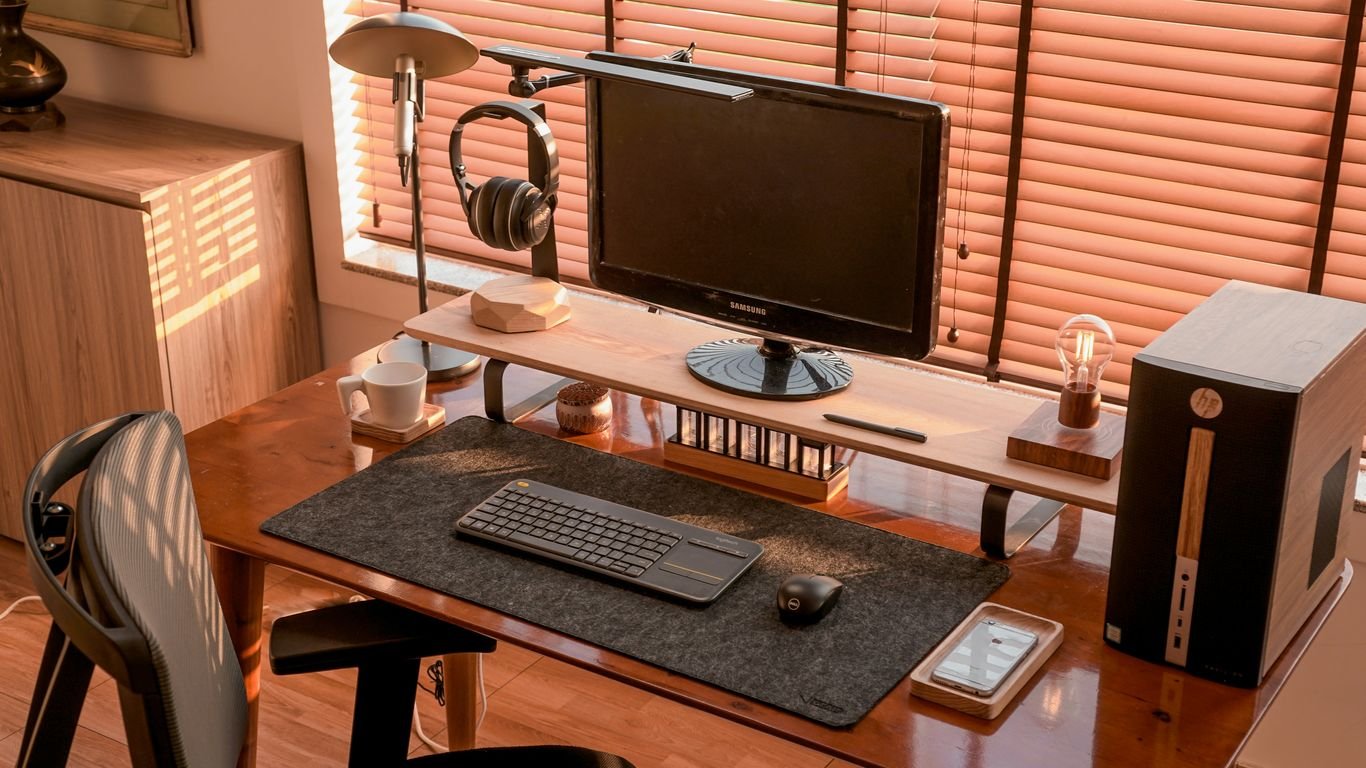
Think about your desk setup. Is your computer screen at eye level? If not, you’re probably tilting your head down, which is exactly what we want to avoid. Using a monitor stand or even a stack of books can help bring your screen up. Your keyboard and mouse should also be close enough so you don’t have to reach. This way, your arms can rest comfortably at a 90-degree angle.
Here are a few quick tips for your workspace:
- Screen Height: Position the top of your monitor at or slightly below eye level.
- Chair Support: Ensure your chair provides good lumbar support and that your feet are flat on the floor.
- Keyboard/Mouse Placement: Keep them close to your body to avoid hunching or reaching.
A little effort in setting up your workstation correctly can save you a lot of discomfort down the line. It’s about creating an environment that supports your body, not works against it.
The Importance of Regular Breaks from Screens
Even with the best ergonomic setup, sitting in one position for too long isn’t great. It’s really important to get up and move around every 30 minutes or so. Even a short walk or a quick stretch can help reset your posture and relieve muscle tension. Think of it as giving your neck and shoulders a much-needed breather. You can set a timer on your phone or computer as a reminder if you tend to forget.
Simple Stretches to Relieve Neck Strain
Incorporating a few easy stretches into your day can really help loosen up those tight neck and shoulder muscles. These don’t take much time at all and can be done right at your desk.
- Chin Tucks: Gently tuck your chin towards your chest, feeling a stretch in the back of your neck. Hold for a few seconds, then relax. Repeat several times.
- Neck Tilts: Slowly tilt your head towards one shoulder, trying to bring your ear closer to your shoulder without lifting your shoulder. Hold, then repeat on the other side.
- Shoulder Rolls: Roll your shoulders forward in a circular motion, then backward. This helps release tension in the upper back and shoulders. You might find that visiting a chiropractor can help with persistent neck issues, as they specialize in spinal alignment and can offer targeted relief for neck and back issues.
Doing these regularly can help maintain flexibility and reduce the stiffness associated with prolonged screen time.
Seeking Professional Help For Persistent Neck Pain
If you’ve been dealing with neck pain that just won’t quit, especially after long hours on your phone or computer, it might be time to get some expert advice. Trying to tough it out or just doing random stretches might not be enough if the problem is getting serious. Sometimes, you need someone who really knows what they’re doing to figure out what’s going on and how to fix it properly. It’s like when my car started making that weird noise; I could have kept turning up the radio, but eventually, I had to take it to a mechanic. My neck feels like that car right now.
When To Consult A Chiropractor For Neck Pain
Chiropractors are often the first stop for many people experiencing neck pain, and for good reason. They focus on the alignment of your spine, which is often the root of the problem with tech neck. If you’re noticing:
- Persistent stiffness that limits your range of motion.
- Pain that seems to get worse the longer you’re on your devices.
- A feeling that your head is constantly being pulled forward.
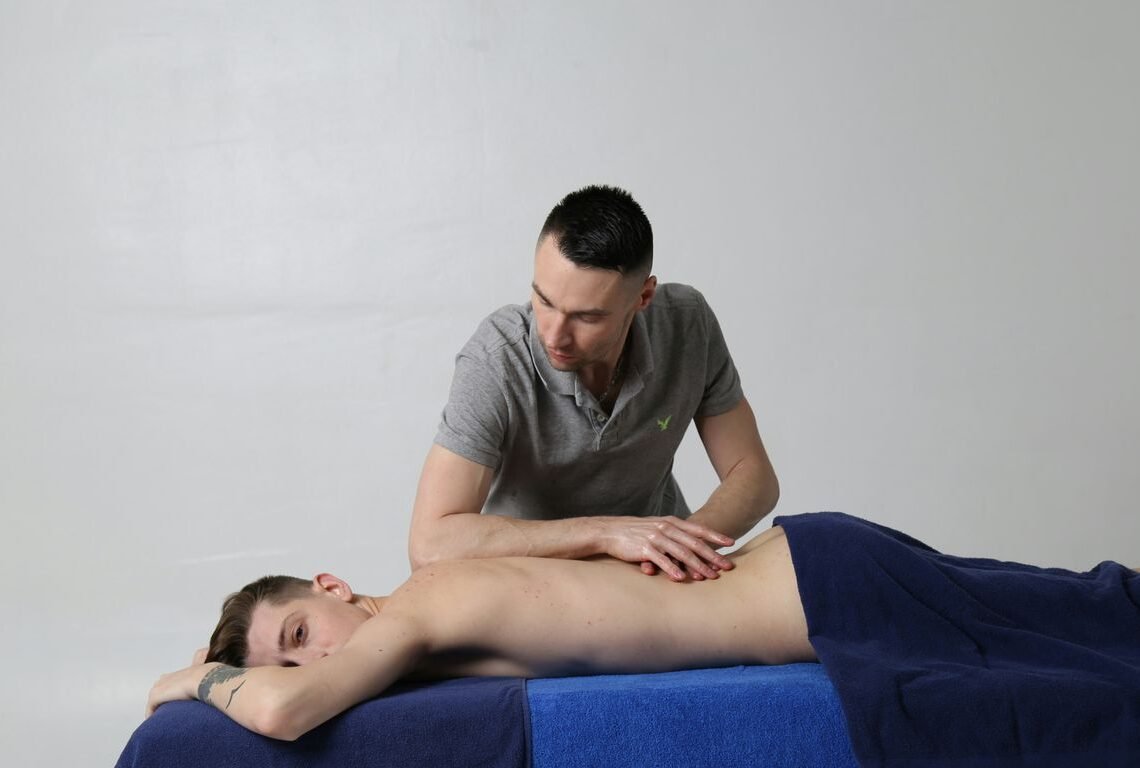
Then a chiropractor might be able to help. They use hands-on techniques, like spinal adjustments, to help put your vertebrae back into a more natural position. They can also show you specific exercises to strengthen the muscles that support your neck and help you break bad posture habits. It’s not just about cracking your back; it’s about retraining your body.
Physical Therapy For Posture Correction
Physical therapy is another excellent option, especially if you’re looking for a more structured approach to fixing your posture and strengthening your neck. A physical therapist will likely start by assessing your posture and movement patterns. From there, they can create a personalized plan that might include:
- Targeted exercises to strengthen weak neck and upper back muscles.
- Stretches to improve flexibility and reduce muscle tension.
- Education on proper body mechanics for daily activities.
They’ll guide you through each step, making sure you’re doing the exercises correctly to get the most benefit and avoid further injury. It’s a bit like having a personal trainer, but specifically for your neck and posture.
Medical Evaluations For Spine Health
For more complex or severe cases, a medical evaluation is definitely the way to go. If your neck pain is accompanied by:
- Numbness or tingling that travels down your arm.
- Significant weakness in your hands or arms.
- Pain that doesn’t improve with rest or basic treatments.
It’s important to see a doctor or a spine specialist. They can perform diagnostic tests, like X-rays or MRIs, to get a clear picture of what’s happening with your cervical spine and discs. This helps rule out more serious conditions and ensures you get the right treatment plan, whether that’s medication, injections, or other medical interventions. Getting a professional diagnosis is key to making sure you’re on the right track to recovery.
Don’t wait until the pain is unbearable. Addressing neck pain early, with the right professional help, can prevent it from becoming a long-term, debilitating issue. Think of it as an investment in your future comfort and mobility.
Advanced Treatments For Severe Neck Pain
When conservative methods like physical therapy and ergonomic adjustments aren’t enough for severe neck pain, especially when it’s linked to issues like cervical herniated discs, medical professionals have more advanced options. These treatments aim to address the root cause of the pain and restore function, often providing long-term relief.
Minimally Invasive Procedures For Disc Issues
For those dealing with the effects of a herniated disc, minimally invasive procedures can offer a targeted approach. These techniques often involve smaller incisions and quicker recovery times compared to traditional surgery. Some common procedures include:
- Discectomy: This procedure removes the portion of the herniated disc that is pressing on nerves or the spinal cord. It’s done through a small incision, often using specialized instruments and imaging guidance.
- Artificial Disc Replacement: Instead of fusing the vertebrae, this surgery replaces the damaged disc with an artificial one, aiming to preserve motion in the neck.
- Spinal Injections: While not always considered
Putting an End to Tech Neck
So, we’ve talked about how looking down at our phones and devices all day can really mess with our necks. It’s not just about looking a bit slumped; it can actually cause pain and even lead to more serious issues down the road, like problems with the discs in your neck. The good news is, we’re not stuck with this. Making small changes, like being more aware of how you’re holding your head and neck, taking breaks, and doing some simple stretches, can make a big difference. If you’re already feeling the effects, don’t wait too long to get it checked out. Taking care of your posture now is a smart move for your long-term health.
Frequently Asked Questions
What exactly is tech neck and why is it becoming more common?
Tech neck is basically when your neck hurts because you spend too much time looking down at your phone or computer. It’s like your neck gets stuck in a forward-leaning position. It’s getting more common because, well, everyone uses phones and computers a lot these days for everything!
How can looking at screens too much hurt my neck and spine?
When you tilt your head forward to look at a screen, it’s like adding extra weight your neck has to hold up. Imagine your head weighs about 10 pounds, but when you tilt it, it can feel like 30 or even 60 pounds! This extra pressure strains your neck muscles and can even damage the cushioning discs between your spine bones.
What are the signs that I might have tech neck or a related problem?
You might feel pain or stiffness in your neck and shoulders. Sometimes, the pain can travel down your arms, making them feel tingly or numb. In more serious cases, you might notice your arms feel weaker or it’s harder to do things that need small movements, like buttoning a shirt.
What can I do to stop tech neck from happening or getting worse?
You can make some simple changes! Try to hold your phone up closer to eye level. When you’re at a computer, make sure your screen is at a good height. It’s also super important to take breaks often to stretch your neck and shoulders. Just moving around helps a lot.
If my neck pain doesn't go away, who should I see for help?
If your neck pain is bad or doesn’t get better, you should see a doctor or a specialist. They might suggest physical therapy to help you with your posture and stretches. Sometimes, they might need to do tests to check your spine more closely.
Are there treatments for really bad neck problems caused by tech neck?
Yes, there are. For disc problems, doctors might use special procedures that don’t involve big surgeries. If things are very serious, surgery might be an option. The goal is to help you feel better and keep your spine healthy in the long run.