




Headaches from Whiplash? Duluth Chiropractors Explain What’s Happening
Getting into a car accident, even a minor one, can be a real shock. You might feel okay at first, but then the aches and pains start to show up, especially in your neck and head. This is often a sign of whiplash, and it’s something that many people in Duluth deal with after an incident. It’s not just car crashes, though; other sudden impacts can cause similar issues. The good news is that there are ways to understand what’s happening and find relief, and local chiropractors can play a big role in that.
Table of Contents
ToggleKey Takeaways
- Whiplash is a neck injury caused by a sudden, forceful back-and-forth movement, often from car accidents, but also from sports or falls. Duluth chiropractors can help diagnose and treat it.
- Headaches are a very common symptom of whiplash, sometimes appearing right away and sometimes days later. They can feel different depending on the injury.
- Even if you feel fine after an accident, it’s smart to get checked out. Adrenaline can mask pain, and delayed symptoms are common with whiplash.
- Chiropractic care, including spinal adjustments and other therapies, can help correct neck alignment, reduce pain, and ease whiplash-related headaches.
- Properly adjusted headrests in your car can significantly reduce the risk of whiplash injuries during a crash.
Understanding Whiplash Injuries

Whiplash is a common injury, often talked about after car accidents, but it can happen in other ways too. It’s basically when your head and neck get whipped back and forth really fast, kind of like the cracking of a whip. This sudden jolt can really mess with the delicate structures in your neck, like muscles, ligaments, and even the small bones in your spine.
What Constitutes Whiplash?
So, what exactly is whiplash? It’s an injury that happens when your head is suddenly and forcefully thrown backward and then forward, or vice versa. Think about a rear-end car collision – that’s a classic scenario. But it’s not just cars. Sports injuries, like a hard tackle in football, or even a bad fall can cause this kind of neck movement. The key thing is the rapid acceleration-deceleration of the head and neck. It’s this violent motion that can stretch or tear the soft tissues in your neck and potentially affect your spinal alignment.
The Mechanics of a Whiplash Injury
When you experience whiplash, your head moves much faster than your torso. Imagine being at a stoplight and getting hit from behind. Your car jerks forward, but your head, due to inertia, lags for a split second before being thrown forward. Then, it snaps back. This rapid, uncontrolled movement puts a lot of stress on your neck. The muscles and ligaments that normally support your head are suddenly stretched beyond their normal limits. This can lead to tiny tears in these tissues, inflammation, and pain. It’s this damage that often leads to the symptoms we associate with whiplash, like stiffness and, of course, headaches.
Common Causes Beyond Car Accidents
While car accidents are the most frequent culprit, whiplash isn’t limited to them. Here are a few other ways you might experience this type of injury:
- Contact Sports: High-impact sports like football, hockey, or rugby can involve sudden, forceful movements of the head and neck during tackles or collisions.
- Falls: A slip and fall, especially if you land awkwardly, can cause your head to whip around.
- Physical Altercations: Being shoved or struck forcefully can result in a whiplash-type injury.
- Amusement Park Rides: Some rides involve rapid changes in direction and speed that can mimic the motion of whiplash.
It’s important to remember that even a seemingly minor incident can cause whiplash, especially if you’re not expecting the impact. That’s why getting checked out by a professional after any such event is a good idea, even if you feel okay at first. You can find more information about whiplash injuries and how they occur.
Recognizing Whiplash Symptoms
It’s not always obvious right away that you’ve injured your neck. Sometimes, you might feel okay immediately after an accident, only for things to start hurting a day or two later. This delay happens because your body releases adrenaline after a jolt, which can mask pain initially. Then, as that wears off and inflammation sets in, the symptoms start to show up. Paying attention to how you feel in the days and weeks following an incident is really important.
Immediate vs. Delayed Symptoms
Some people feel pain right after the event, while for others, it creeps up later. It’s common to experience:
- Neck pain and stiffness
- A reduced ability to move your neck
- Headaches
- Tenderness in your shoulders or upper back
Delayed symptoms can include things like dizziness, fatigue, or even tingling and numbness in your arms. It’s why getting checked out, even if you feel fine at first, is a good idea. You can find more information about whiplash injuries at AICA Orthopedics.
Headaches as a Primary Complaint
Headaches are super common with whiplash. They often start at the base of your skull and can spread up and over your head, sometimes even behind your eyes. These aren’t just any headaches; they’re often called cervicogenic headaches because they originate from the neck. The sudden jolt can irritate the nerves and muscles in your neck, leading to this pain. The discomfort might feel like a constant ache or sometimes a sharper pain, especially when you move your neck.
Other Indicative Signs and Sensations
Beyond headaches, there are other signals your body might be sending:
- Dizziness or balance issues: Feeling unsteady or like the room is spinning can happen.
- Vision problems: Some people report blurred vision or sensitivity to light.
- Cognitive changes: Difficulty concentrating, memory lapses, or feeling more irritable are also possible.
- Sleep disturbances: Trouble falling asleep or staying asleep can occur.
It’s easy to dismiss some of these as unrelated, but if they appear after a neck-jarring event, they could be connected to whiplash. Early evaluation can help pinpoint the cause and start you on the path to recovery.
The Role of Chiropractors in Duluth
Chiropractic Diagnosis of Whiplash
When you visit a chiropractor in Duluth after a suspected whiplash injury, they’ll start by really listening to what happened and how you’re feeling. They’ll do a thorough physical exam, checking your neck and upper back for any tender spots, muscle tightness, or areas where your movement feels restricted. It’s not just about finding the pain; it’s about figuring out exactly why it hurts and what structures might be involved. They’ll look at how well you can turn your head, tilt it, and bend it forward and backward. Sometimes, they might use special tests to check the nerves and reflexes in your arms. The goal is to get a clear picture of the injury so they can create the best plan for you.
How Chiropractors Treat Whiplash
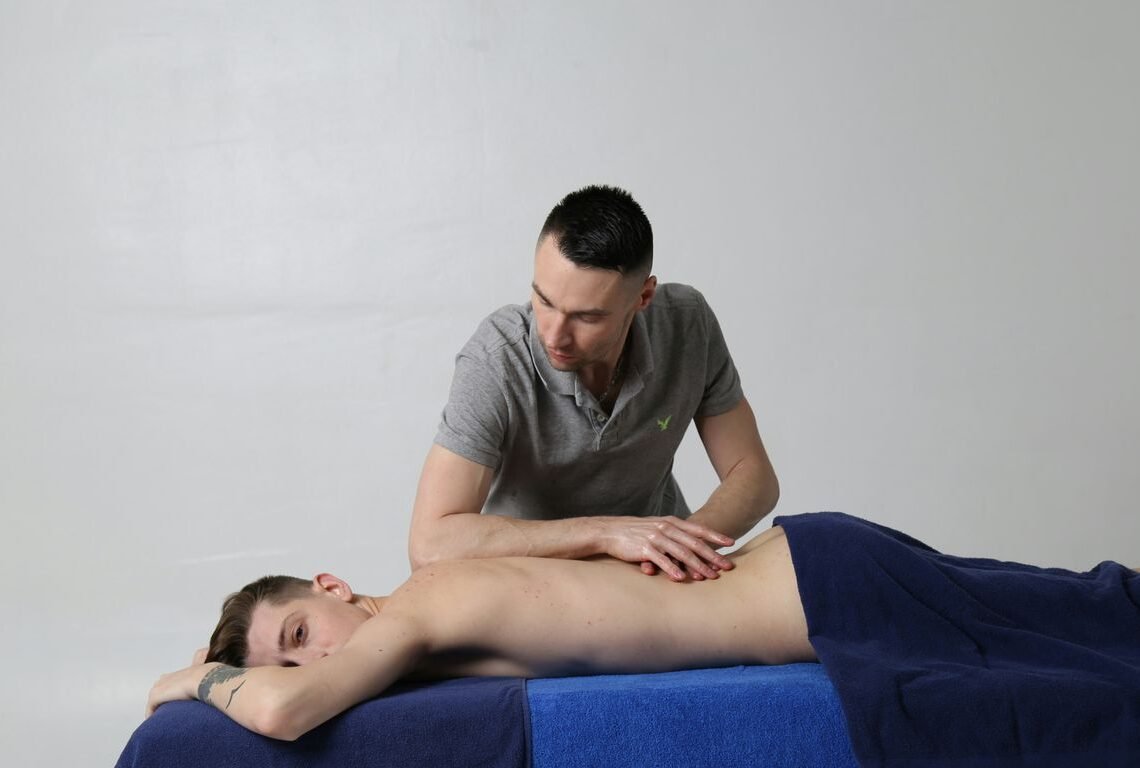
Chiropractic treatment for whiplash is all about getting your neck back to normal function and easing that pain. It usually starts gently, especially if the injury is fresh. They might use techniques to reduce inflammation and muscle spasms, like gentle stretching or even therapies like ultrasound. As things calm down, the focus shifts to restoring proper movement. This involves hands-on adjustments to the spine and surrounding joints. These adjustments are designed to improve how your neck moves and reduce stiffness. They’ll also likely give you exercises to do at home to help strengthen your neck muscles and improve your posture. It’s a multi-step process aimed at healing and preventing future problems.
Here’s a general idea of what treatment might involve:
- Initial Phase: Focus on pain and inflammation reduction.
- Restoration Phase: Gentle adjustments to improve joint mobility.
- Rehabilitation Phase: Exercises to build strength and flexibility.
Benefits of Early Chiropractic Intervention
Getting to a chiropractor soon after a whiplash incident can make a big difference in your recovery. Waiting too long can sometimes lead to more stubborn pain and stiffness. Early treatment helps to address the injury before it becomes a long-term issue. It can help prevent scar tissue from forming in ways that limit your movement. Plus, getting a handle on the pain early means you can get back to your daily life, work, and activities much faster. Think of it as nipping the problem in the bud. For those in the Duluth area, seeking out chiropractic care for whiplash can be a smart first step.
Addressing whiplash promptly with chiropractic care can significantly improve your chances of a full recovery and reduce the risk of chronic pain down the road. It’s about getting your body back on track efficiently.
Addressing Whiplash Headaches
It’s pretty common for folks dealing with whiplash to experience headaches. Honestly, they can be one of the most annoying parts of the whole ordeal. You might not feel it right away, maybe the adrenaline from the accident masks it, but then BAM, it hits you. These aren’t just any headaches; they’re often tied directly to the neck injury itself. The sudden jolt of a whiplash event can really mess with the muscles, nerves, and even the alignment in your neck and upper spine. When that happens, pain signals can travel up to your head, causing all sorts of discomfort.
The Connection Between Whiplash and Headaches
Think of your neck as a highway for nerves connecting your brain to the rest of your body. When whiplash happens, it’s like a major traffic jam or even a road collapse on that highway. The soft tissues in your neck – muscles, ligaments, and discs – get stretched or torn. This can lead to inflammation and irritation of the nerves that run through the neck and up to your head. This nerve irritation is a primary reason why you might be experiencing headaches after a whiplash injury. These headaches are often called cervicogenic headaches, meaning they originate in the neck. They can feel different for everyone, sometimes like a dull ache at the back of your head, other times like a throbbing pain that spreads across your entire skull, or even sharp pains behind your eyes.
Types of Whiplash-Related Headaches
Whiplash headaches aren’t all the same. They can show up in a few different ways:
- Occipital Neuralgia: This type of headache often feels like sharp, shooting pains or a constant ache at the base of your skull. It happens when the occipital nerves, which run from the top of the spinal cord up to the scalp, get irritated.
- Cervicogenic Headaches: These are the most common. The pain usually starts in the neck and then radiates upwards. It can feel like a steady, dull ache, and often gets worse when you move your neck.
- Migraine-like Headaches: Sometimes, the pressure and nerve irritation from whiplash can trigger headaches that feel very similar to migraines. You might experience sensitivity to light or sound, nausea, and a throbbing pain.
- Tension-Type Headaches: The muscle strain and stiffness from whiplash can also lead to widespread tension in the head and neck, mimicking a typical tension headache.
It’s important to note that neck movement often makes these headaches worse. If you find that turning your head or looking up and down triggers or intensifies your head pain, it’s a strong indicator that your headache is linked to your whiplash injury. Getting a proper diagnosis from a chiropractor can help pinpoint the exact cause.
Strategies for Headache Relief
Dealing with these headaches can be tough, but there are ways to find relief. The goal is usually to address the root cause – the neck injury itself – while also managing the pain symptoms.
- Chiropractic Adjustments: This is where chiropractors in Duluth really shine. By carefully adjusting the misaligned vertebrae in your neck and spine, they can help reduce pressure on nerves and restore proper movement. Many patients report a significant decrease in headache frequency and intensity after a few sessions. You can find specialized care for your whiplash injury right here in Duluth.
- Soft Tissue Therapy: Chiropractors often use techniques like massage or therapeutic stretching to release tight muscles and reduce inflammation in the neck and shoulder area. This can directly alleviate the tension contributing to your headaches.
- Heat Therapy: For many, applying heat to the neck and shoulders can be quite soothing. It helps relax tense muscles and improve blood flow, which can ease headache pain. Unlike some other headache types, cold packs might actually make whiplash headaches feel worse.
- Gentle Neck Exercises: Once your chiropractor gives you the okay, specific exercises can help strengthen the muscles supporting your neck and improve flexibility. This builds resilience and can prevent future headaches.
It’s really important not to just tough out whiplash headaches. They’re a signal that something is wrong, and if left untreated, they can become a chronic problem that really impacts your daily life. Seeking professional help early on is the best way to get on the road to recovery and avoid long-term issues.
Over-the-counter pain relievers might offer temporary relief, but they don’t fix the underlying problem. A more targeted approach, like the one offered by chiropractors, is usually needed to truly get to the bottom of whiplash-related headaches and help you feel like yourself again.
Preventative Measures for Whiplash
It’s easy to think of whiplash as something that only happens in big car crashes, but honestly, it can pop up in all sorts of situations. The good news is, there are definitely things you can do to lower your chances of experiencing it. It’s all about being a little more aware and making sure your surroundings are set up right.
Optimizing Headrest Settings
Your car’s headrest isn’t just for comfort; it’s a key player in preventing whiplash. When you’re in a rear-end collision, your body gets pushed forward, but your head tends to lag behind for a split second before snapping forward. A properly adjusted headrest acts as a barrier, catching your head and limiting that extreme backward motion that can injure your neck. So, it’s really worth taking a minute to get it right.
Here’s a quick guide to setting your headrest correctly:
- Height: The top of the headrest should be at least as high as the top of your ears. Ideally, it should be level with the top of your head.
- Distance: The headrest should be as close to the back of your head as possible, ideally no more than a few inches (think about 4 inches or 10 cm).
Think of it like this: the headrest needs to be close enough and high enough to actually do its job when you need it most.
Awareness During High-Risk Activities
Beyond car safety, other activities can put you at risk for whiplash. Sports like football, hockey, or even activities like amusement park rides can involve sudden, forceful movements of the head and neck. Being mindful of these risks is the first step.
- Sports: Always use appropriate protective gear, and if you’re coaching or playing, emphasize safe techniques that minimize head and neck impacts. Listen to your body; don’t push through pain that feels like it could lead to a neck injury.
- Recreational Activities: Be aware of the forces involved in activities like roller coasters or water slides. Sometimes, just bracing yourself slightly or adjusting your posture can make a difference.
- Falls: While not always preventable, being aware of your surroundings can help avoid trips and falls. This is especially true if you have uneven surfaces or slippery conditions.
Paying attention to how you move and how your environment is set up can make a big difference in avoiding those sudden, jarring neck movements that lead to whiplash. It’s about being proactive rather than just hoping for the best.
Long-Term Recovery and Wellness
Complications of Untreated Whiplash
It’s easy to think that once the initial pain from a whiplash injury starts to fade, you’re in the clear. But honestly, that’s not always the case. Sometimes, the pain might seem to go away for a bit, only to pop back up later, especially when you’re stressed or your neck is put under more strain. If you don’t get proper care, you could end up with some lasting issues. We’re talking about things like chronic neck pain that just won’t quit, headaches that become a regular unwelcome guest, and a stiff neck that limits how much you can turn your head. In some situations, nerve problems can even pop up. It’s really important to address whiplash head-on, so you don’t have to deal with these problems down the road.
Building a Stronger Neck for Future Resilience
After you’ve gone through treatment for whiplash, the goal isn’t just to get back to where you were before the accident. It’s about coming back stronger. Chiropractors and physical therapists often work with you on exercises and adjustments that help rebuild the strength and flexibility in your neck and upper back. This isn’t just about feeling better now; it’s about setting yourself up for the future. A healthier, more resilient neck can better handle everyday stresses and is less likely to be severely injured if you’re ever in another accident. Think of it as investing in your long-term well-being.
Here are some key areas to focus on for building resilience:
- Consistent Exercise: Regular, gentle neck and shoulder strengthening exercises are key. Your chiropractor can show you specific movements.
- Good Posture Habits: Being mindful of how you sit and stand throughout the day makes a big difference in reducing strain on your neck.
- Ergonomic Awareness: Adjusting your workspace or how you perform certain tasks can prevent repetitive stress.
- Stress Management: High stress levels can lead to muscle tension, so finding healthy ways to cope is important.
Taking a proactive approach to your neck’s health after an injury can significantly reduce the chances of future problems and improve your overall quality of life. It’s about more than just healing; it’s about building a foundation for lasting wellness.
Don't Just Live With It
So, if you’ve been in a car accident or experienced a sudden jolt and now you’re dealing with headaches or neck pain, don’t just try to tough it out. It’s easy to think you’re fine, especially right after something happens, but those symptoms can sneak up on you. Whiplash injuries, and the headaches that come with them, often need more than just rest. Getting checked out by a chiropractor here in Duluth is a good idea. They can figure out what’s really going on with your neck and help you get back to feeling like yourself again. It’s better to get it looked at sooner rather than later, you know?
Frequently Asked Questions
What exactly is whiplash?
Whiplash is basically an injury to your neck that happens when your head suddenly jerks forward and backward, or side to side. Think of it like the cracking of a whip! This sudden movement can stretch or tear the soft tissues, like muscles and ligaments, in your neck. It often happens in car accidents, especially when you get hit from behind, but can also occur from sports injuries or falls.
Why do whiplash injuries cause headaches?
When your neck gets injured from whiplash, the muscles, nerves, and joints in your neck can get irritated. This irritation can send pain signals to your head, causing headaches. Sometimes the pain feels like a dull ache at the back of your head, or it might spread to your forehead or behind your eyes. Neck movements can often make these headaches worse.
Can I feel whiplash symptoms right away?
Not always! Sometimes you might feel fine immediately after an accident, but then the pain and stiffness start to show up a day or two later. This is because your body releases stress hormones like adrenaline right after an injury, which can mask the pain for a while. Swelling and muscle tension can build up, making symptoms appear later.
How can a chiropractor help with whiplash headaches?
Chiropractors are experts in the spine and neck. They can examine your neck to find out exactly what’s out of place or causing pain. Through gentle adjustments and other therapies, they can help restore proper alignment in your spine, reduce muscle tension, and ease the pressure on nerves that might be causing your headaches. This can help your neck heal and reduce headache pain.
What can I do to prevent whiplash in my car?
Adjusting your car’s headrest is super important! Make sure it’s high enough to support the back of your head, ideally at least as high as your ears, and not too far away from your head. A properly positioned headrest acts like a cushion during a sudden jolt, helping to reduce the force on your neck.
What if I don't treat my whiplash injury?
If you don’t get treatment for whiplash, the pain and stiffness might not go away on their own. In fact, they can sometimes get worse over time. This could lead to long-term problems like chronic headaches, limited neck movement, and ongoing pain that can really affect your daily life. Getting checked out early is the best way to ensure a full recovery.