



Waking up in Albany with a sore neck? It’s a common problem, and honestly, it really throws off your whole day. You try to get comfortable, but no matter what, that nagging pain just won’t let you rest. It’s like your pillow is actively working against you. But before you start thinking about replacing everything you own, let’s look at why this happens and what you can actually do about it. We’ve got some straightforward tips that might just help you get a decent night’s sleep again.
Table of Contents
ToggleKey Takeaways
- Lying down changes how your spine and muscles work, often making neck pain feel worse at night due to stillness and potential misalignment.
- Sleeping on your back with a supportive pillow is generally best for neck pain, while side sleeping needs careful pillow adjustment, and stomach sleeping should be avoided.
- The right pillow is key; it should keep your head level with your spine, with memory foam or contour pillows being good options, and thickness should match your neck-to-shoulder distance.
- Daytime habits like poor posture at work and lack of movement can contribute significantly to neck pain, so ergonomic setups and regular breaks are important.
- If neck pain is severe, persistent, or comes with other symptoms, it’s time to see a professional in Albany for proper diagnosis and treatment, rather than just temporary fixes.
Understanding Why Neck Pain Worsens at Night

It’s a common, frustrating experience: you go to bed feeling okay, maybe just a little stiff, but then you wake up hours later with a throbbing neck. Why does this happen? It’s not just in your head. When you lie down, the way your spine and muscles behave changes quite a bit compared to when you’re up and about.
The Spine's Dynamics When Lying Down
During the day, gravity and your body’s natural movements help keep your spine in a relatively neutral alignment. Your muscles are engaged, supporting your posture. But when you lie down, especially for extended periods, this dynamic shifts. Without the constant pull of gravity and the subtle adjustments you make while upright, your spine can settle into less ideal positions. If there’s already an underlying issue, like a slight misalignment or disc compression, lying still can allow these problems to become more pronounced and painful. It’s like a car suspension – when it’s just sitting there, a worn-out part might not be obvious, but when it’s under stress or in a specific position, the issue becomes clear.
How Poor Posture and Stress Impact Neck Muscles
Think about your daily habits. Are you hunched over a computer or phone for hours? This forward-head posture puts a tremendous amount of strain on your neck muscles. Over time, these muscles can become tight and fatigued. When you lie down, these tense muscles don’t just relax; they can continue to pull and create discomfort. Stress is another big player here. When you’re stressed, your body often tenses up, particularly in the neck and shoulders. This chronic tension can make your muscles more susceptible to pain, especially when you’re trying to find a comfortable resting position.
The Role of Spinal Misalignment in Nighttime Pain
Sometimes, the root of the problem is a subtle misalignment in your cervical spine. This doesn’t always cause obvious pain during the day, but certain sleeping positions can put direct pressure on misaligned vertebrae or nerves. Imagine a slightly crooked picture frame; it might hang fine, but if you push on one corner, the whole thing can become unstable. Similarly, when you lie down, the pressure distribution changes, and a misaligned segment of your spine can become irritated. This irritation can manifest as sharp or dull pain that wakes you up, disrupting your sleep and making you feel even worse.
The key takeaway is that nighttime neck pain isn’t usually random. It’s often a signal that something in your spinal alignment, muscle tension, or daily habits needs attention. Lying down simply highlights these underlying issues more intensely.
Optimal Sleeping Positions for Neck Pain Relief
The Benefits of Back Sleeping for Spinal Alignment
Sleeping on your back is often recommended as the top choice for neck pain relief. When you lie flat on your back, your head, neck, and spine are generally in a more neutral position. This means there’s less unnatural bending or twisting happening, which can give your neck muscles a chance to relax. The key here is using a pillow that supports the natural curve of your neck without pushing your head too far forward or letting it drop back. Think of it like standing tall – your head should feel balanced and aligned with the rest of your spine.
Adjusting Side Sleeping for Neck Support
If you’re a side sleeper, don’t despair! You can still find comfort, but it requires a bit more attention to your pillow. The goal is to keep your neck aligned with your spine, similar to how it would be if you were standing. This usually means you need a thicker, more supportive pillow than a back sleeper might use. The pillow should fill the space between your ear and the mattress, preventing your head from tilting downwards. Some people find placing a small pillow between their knees helps keep their hips and pelvis aligned, which can indirectly benefit the spine and neck.
Why Stomach Sleeping Aggravates Neck Discomfort
Stomach sleeping is generally the least recommended position for anyone dealing with neck pain. To breathe while lying on your stomach, you have to turn your head to one side. This forces your neck into a twisted position for hours on end. Imagine holding your head turned to the side for an extended period – it puts a lot of strain on the muscles and ligaments. Over time, this can lead to stiffness, pain, and even long-term issues. If you absolutely can’t break the habit, try placing a very thin pillow, or no pillow at all, under your head, and consider placing a pillow under your hips to help flatten your back.
Choosing the Right Pillow for Neck Pain
Okay, so you’ve got this nagging neck pain that just won’t quit, especially when you’re trying to get some shut-eye. You’ve tried different sleeping positions, but nothing seems to help. Well, let’s talk about your pillow. It might be the silent culprit behind your nightly misery. The right pillow isn’t just about comfort; it’s about actively supporting your neck and keeping your spine in a neutral alignment. Think of it as a crucial piece of equipment for your sleep health.
The Importance of Pillow Support and Alignment
When you lie down, your neck and spine need to maintain their natural curves. A pillow that’s too flat, too high, or too soft won’t do this. Instead, it can force your neck into an awkward position, straining muscles and putting pressure on nerves. This is why a pillow that offers good support is so important. It should fill the space between your head and the mattress, keeping your head level with your spine. If you’re a back sleeper, you want a pillow that supports the natural curve of your neck without pushing your head too far forward. For side sleepers, the pillow needs to be thick enough to fill the gap between your shoulder and your ear, keeping your head and neck in line with your torso. Without this proper alignment, you’re basically setting yourself up for more pain.
Evaluating Pillow Materials for Neck Comfort
Not all pillow fillings are created equal when it comes to neck pain. Memory foam is a popular choice because it molds to the shape of your head and neck, offering personalized support. It tends to hold its shape well, which is great for consistent alignment throughout the night. Another option is a cervical pillow, often designed with a contour to cradle your neck. These can be particularly helpful for back sleepers. Some people find success with down or feather pillows, but these can flatten out over time and may not offer enough consistent support for a sore neck. If you’re looking for something more natural, latex pillows can offer a good balance of support and responsiveness. Ultimately, the best material is one that keeps your neck supported and comfortable without feeling too hard or too squishy.
Measuring for the Ideal Pillow Thickness
So, how do you figure out the right thickness? It’s not as complicated as it sounds. A simple way to get a rough idea is to measure the distance from your neck to the tip of your shoulder. For side sleepers, your pillow should be roughly this thick to keep your head and neck aligned with your spine. If you sleep on your back, you’ll generally need a thinner pillow, one that supports the curve of your neck without lifting your head too high. You can even try this little test: lie down on your mattress in your usual sleeping position and have someone measure the space between your neck and the mattress. This gives you a good starting point for choosing a pillow that fits your unique shape and sleeping style. Getting this measurement right can make a huge difference in waking up pain-free. If you’re struggling to find that perfect fit, consider consulting with a professional who can help assess your spinal alignment.
Choosing the right pillow is a personal journey, but the goal is always the same: to keep your head and neck in a neutral position that mimics good posture. Don’t be afraid to try a few different options until you find the one that feels just right for you. Your neck will thank you for it.
Daytime Habits Contributing to Neck Pain
It’s easy to think that neck pain only happens when you’re trying to sleep, but what you do all day can really set the stage for nighttime misery. Our daily routines, especially how we sit and move (or don’t move), play a huge role in how our necks feel when we finally lie down.
The Impact of Workplace Posture
Think about your typical workday. Are you hunched over a computer, craning your neck to see your phone, or maybe holding a phone between your shoulder and ear? These common habits put a lot of strain on your neck muscles and spine. Constantly looking down at screens, often called "tech neck," can put the equivalent of 60 pounds of force on your neck. This sustained tension can lead to stiffness and pain that doesn’t just disappear when you clock out.
Ergonomic Solutions for Desk Work
Making your workspace work for you is key. It’s not about fancy equipment, but about making smart adjustments. Here are a few things to consider:
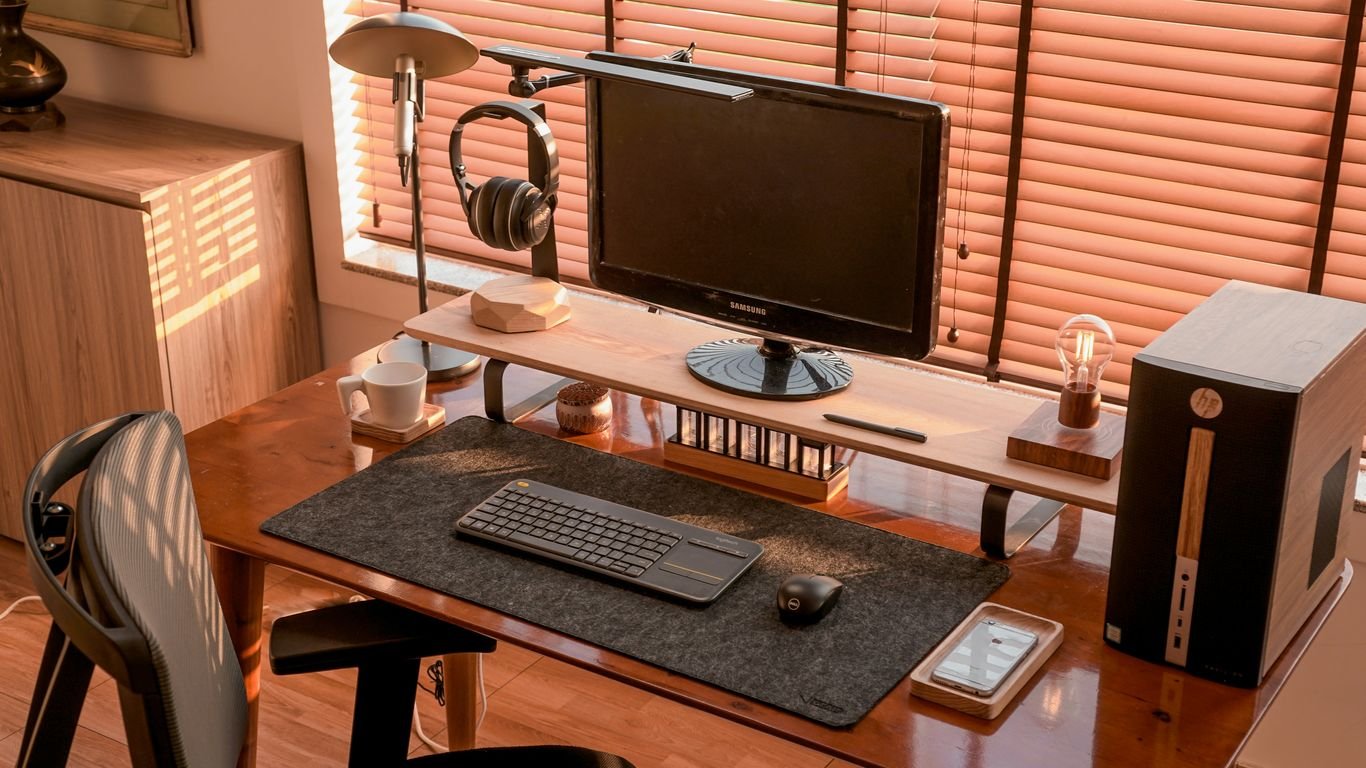
- Screen Height: Your computer monitor should be at eye level. If it’s too low, you’ll be tilting your head down. You might need a monitor stand or even a stack of books to get it right.
- Chair Support: Make sure your chair supports your lower back. If it doesn’t, a small cushion can make a big difference. Your feet should be flat on the floor, and your knees should be at about a 90-degree angle.
- Keyboard and Mouse Placement: Keep your keyboard and mouse close to your body so you don’t have to reach. Your elbows should be bent at around 90 degrees when typing.
- Regular Check-ins: Set a timer to remind yourself to check your posture every 30 minutes. It’s easy to slip back into bad habits without realizing it.
The Role of Regular Movement and Breaks
Sitting for long stretches is tough on your neck and back. Even with a perfect setup, your muscles need a break. Aim to get up and move around at least once an hour. A quick walk, some gentle stretches, or even just standing up and shaking out your arms can help.
Here are some simple movements you can do at your desk:
- Neck Tilts: Gently tilt your head towards your shoulder, hold for a few seconds, then switch sides. Don’t force it.
- Shoulder Rolls: Roll your shoulders forward a few times, then backward. This helps release tension in your upper back and neck.
- Chin Tucks: Gently tuck your chin towards your chest, feeling a stretch in the back of your neck. Hold briefly and release.
- Arm Stretches: Reach your arms overhead, then try reaching them out to the sides, gently twisting your torso.
The cumulative effect of poor posture and prolonged sitting throughout the day can create a persistent strain on your neck. This isn’t just about discomfort; it can lead to muscle imbalances and reduced flexibility, making your neck more vulnerable to injury and pain, especially when you’re in a static position for hours on end, like sleeping.
When to Seek Professional Help in Albany
Look, we all have those nights where sleep just doesn’t happen because your neck is screaming at you. It’s annoying, sure, but usually, it passes. But what happens when it doesn’t? When that stiffness and pain become your unwelcome alarm clock, night after night, it’s a sign that something more is going on. Ignoring it won’t make it disappear; in fact, it often just digs the problem in deeper.
Recognizing Persistent or Severe Neck Stiffness
If you’re waking up with neck pain that feels more than just a little stiff, or if the pain is genuinely intense, that’s a red flag. We’re talking about pain that makes it hard to turn your head, or a deep ache that lingers long after you’ve gotten out of bed. It’s not just about a bad night’s sleep anymore; it’s about your body sending a clear signal that something needs attention. If this has been happening for weeks, or even months, it’s definitely time to stop hoping it will just go away on its own.
Identifying Associated Symptoms
Sometimes, neck pain doesn’t show up alone. It can bring friends, like persistent headaches that seem to start right at the base of your skull, or maybe you’re noticing your shoulders feel tight and achy too. Some people even experience tingling or numbness that travels down their arms. If you’re also finding that your posture is noticeably worse, maybe you’re slouching more than usual, or people are commenting on it, these can all be connected issues pointing towards a deeper problem that needs looking into.
The Benefits of Professional Diagnosis and Treatment
Trying to figure out persistent neck pain on your own can be frustrating. You might try different pillows or sleeping positions, but if the root cause isn’t addressed, you’ll likely just keep cycling through temporary fixes. Professionals in Albany, like chiropractors or physical therapists, can actually figure out what’s going on. They can look at your spine, check your posture, and understand how your daily habits might be contributing.
Getting a proper diagnosis means you can get a treatment plan that actually works for the long haul, not just a quick patch. It’s about getting your body back to moving and feeling right, so you can finally get a good night’s sleep.
Here are a few reasons why seeking help is a good idea:
- Accurate Diagnosis: Professionals can identify if the pain is from muscle strain, a disc issue, nerve irritation, or something else entirely.
- Targeted Treatment: Whether it’s specific adjustments, exercises, or lifestyle advice, treatment will be tailored to your unique problem.
- Preventing Worsening: Addressing the issue early can stop it from becoming a chronic, harder-to-treat condition.
- Improved Quality of Life: Less pain means better sleep, more energy, and the ability to enjoy your daily activities without discomfort.
Additional Strategies for Better Sleep with Neck Pain
Exploring Incline Sleeping Options
Sometimes, just adjusting your sleeping position isn’t enough. If you find that lying flat makes your neck pain worse, consider sleeping at a slight incline. This can help take some of the pressure off your spine and neck. You don’t need a fancy adjustable bed for this; simply using a few extra pillows strategically placed behind your back and head can create a comfortable incline. This method can be particularly helpful if you experience congestion or acid reflux as well, offering a dual benefit.
The Use of Towels or Neck Rolls for Support
Beyond your main pillow, small adjustments can make a big difference. A rolled-up towel or a small, firm neck roll placed just under your neck can provide targeted support. This helps maintain the natural curve of your cervical spine, preventing your head from sinking too low or tilting at an awkward angle. The key is to ensure this added support doesn’t push your head too far forward or upward, which could create new strain. Experiment with different thicknesses and firmness levels to find what feels best for your specific needs.
Maintaining Consistent Sleep Schedules
While it might seem unrelated to your neck pain, sticking to a regular sleep schedule is surprisingly important. Your body thrives on routine, and disruptions can throw off your natural sleep-wake cycle. This can make it harder to fall asleep and stay asleep, and when you’re tired, you’re often more aware of and sensitive to pain. Try to go to bed and wake up around the same time every day, even on weekends. This consistency helps regulate your body’s internal clock, promoting more restful and uninterrupted sleep, which in turn can aid in your body’s recovery process.
Sometimes, the simplest solutions are overlooked. Before investing in new gadgets or treatments, try these basic adjustments to your sleep setup. Small changes, like the angle of your sleep or the placement of a small support, can have a significant impact on how you feel when you wake up. It’s about finding that sweet spot where your neck feels cradled and supported throughout the night, rather than strained or compressed.
Don't Let Neck Pain Steal Your Sleep
Waking up with neck pain in Albany doesn’t have to be your new normal. We’ve talked about why it happens – often it’s more than just a bad pillow, and sometimes it’s tied to how your spine is sitting, even during the day. Simple changes like checking your sleeping posture and pillow can make a difference. But if you’ve tried those things and you’re still waking up stiff and sore, it might be time to look a little deeper. Persistent pain usually means there’s an underlying issue that needs attention. Don’t just live with it; reach out and find out what’s really going on. Getting a good night’s sleep is important for feeling your best, and you deserve to wake up feeling rested, not in pain.
Frequently Asked Questions
Why does my neck hurt more when I sleep?
When you lie down, your spine and muscles change how they work. During the day, you move around, which helps. But at night, staying still can make things worse, especially if your spine isn’t lined up right or is already stressed. Also, using the wrong pillow or being stressed can make your neck muscles tight instead of relaxed, leading to more pain.
What's the best way to sleep to avoid neck pain?
Sleeping on your back is usually the best. It keeps your spine straight. If you sleep on your side, use a pillow that’s high enough to keep your neck lined up with your spine. Try to imagine your chin staying straight with your chest. Sleeping on your stomach is generally bad because it twists your neck for a long time.
How do I pick the right pillow for my neck pain?
The best pillow isn’t always the most expensive. It needs to support your neck and keep your head level with your spine. Memory foam or special contour pillows can be good. A simple way to check is to measure the space between your neck and shoulder; your pillow should be about that thick to keep things aligned and reduce pressure.
What daytime habits can make my neck pain worse?
How you sit and work during the day really matters. If you’re always leaning forward at your computer or looking down at your phone, it puts a lot of strain on your neck. Not moving enough or taking breaks to stretch can also make your neck muscles stiff and contribute to pain, especially when you try to sleep.
When should I see a doctor or specialist for neck pain?
If your neck pain is severe, doesn’t go away after a few weeks, or keeps coming back every morning, it’s time to get help. You should also see a doctor if you have other symptoms like headaches or back pain along with your stiff neck, or if simple things you try aren’t making it better.
Are there other things I can do to sleep better with neck pain?
Yes! You can try sleeping slightly propped up with pillows to take pressure off your neck. Sometimes, a small rolled-up towel or a special neck roll placed under your neck can give extra support. Also, try to keep a regular sleep schedule, as changes can mess with your body’s natural rhythm and make pain worse.