



First Chiropractic Visit After an Atlanta Car Crash: What to Expect

Getting into a car accident in Atlanta can be a really jarring experience, leaving you with aches and pains you might not even notice right away. If you’re dealing with injuries from a collision, a chiropractor might be a good option to consider. It’s a way to get help without immediately turning to medication. This guide will walk you through what happens during your first visit to a chiropractor after an accident, what to expect during your appointments, and how they can help you recover.
Table of Contents
ToggleKey Takeaways
- Your first chiropractic visit involves a detailed health history, questions about the accident, and a physical exam to understand your specific injuries.
- Chiropractors use spinal adjustments and other therapies like massage to help your body heal naturally after an accident.
- Imaging tests like X-rays may be used to get a clearer picture of your injuries, but it depends on your specific situation.
- A personalized treatment plan will be created for you, often including regular visits and exercises to help you recover over time.
- Seeing a chiropractor soon after an accident can help manage pain, reduce inflammation, and potentially prevent long-term issues, while also providing documentation for insurance.
Understanding Your First Chiropractic Visit After an Auto Accident
Starting chiropractic care after a car crash can feel uncertain, but knowing the steps can help ease that anxiety. Your first visit isn’t just about immediate pain—it’s where your path to recovery really starts, allowing the chiropractor to get a complete picture of what your body’s dealing with after the accident.
What Happens During the Initial Consultation?
Your initial appointment starts with a conversation about your accident and your current physical state. The chiropractor will want to know how the accident happened, your symptoms, and how you feel today compared to before the crash. This is also the time to talk about any soreness, numbness, or stiffness you have, even if it seems minor.
- The chiropractor will ask you to describe the accident and what happened immediately after.
- You’ll be asked about any pain in your neck, back, or limbs.
- Expect to discuss how these problems are affecting your day-to-day activities (like sleeping, driving, or working).
You’re not just a list of symptoms—the chiropractor wants to hear your full story for a bigger understanding of your health.
How Is Your Medical History Evaluated?
Before any hands-on treatment, the chiropractor will look at your whole health picture. Here’s how it usually goes:
- You’ll answer questions related to previous injuries, surgeries, or treatments.
- Any ongoing medical conditions (like diabetes, arthritis, or old injuries) will be noted.
- The chiropractor uses this info to figure out what might have made you more prone to injury and what could slow down your recovery.
| Medical History Areas | Why It Matters |
|---|---|
| Past injuries/surgeries | Shows old damage that could affect healing |
| Current medications | Ensures treatments won’t interact |
| Chronic conditions | Helps plan appropriate techniques |
What Types of Questions Will the Chiropractor Ask?
Get ready for some detailed questions. The goal is to be as thorough as possible, so nothing important gets missed. Here are common questions your chiropractor might ask:
- Where are you feeling pain, and when did it start?
- What type of pain are you experiencing (sharp, dull, throbbing)?
- Does anything make it better or worse?
- What were you able to do physically before the accident that you can’t do now?
- Did you lose consciousness at any point?
- Are you having symptoms like headaches, dizziness, or problems focusing?
- Being open and honest about even the smallest symptoms is key for a good care plan.
- Don’t leave out symptoms you think are unrelated, like sleep issues or ringing in your ears.
The more details you can give, the more targeted and effective your treatment will likely be.
The Comprehensive Examination Process for Auto Accident Injuries
After you’ve discussed what happened and your initial symptoms, the chiropractor will move on to a physical examination. This isn’t just a quick once-over; it’s a detailed look at how your body is functioning, especially in the areas affected by the crash. They’re trying to pinpoint exactly what’s going on beneath the surface.
What Physical Examination Will Be Conducted?
During the physical exam, the chiropractor will carefully check your posture, looking for any imbalances or misalignments that might have occurred. They’ll also assess your overall physical condition. This often involves a series of tests to see how well your spine and joints are moving and to identify any spots that are particularly tense or painful. It’s all about getting a clear picture of your body’s current state after the accident.
Will Imaging Tests Like X-Rays Be Required?
Sometimes, to get a really good look at what’s happening inside, imaging tests like X-rays might be necessary. These aren’t always a given, though. The chiropractor will decide if they’re needed based on what they find during your consultation and physical exam. If X-rays are recommended, they can show things like spinal misalignments or other structural issues that aren’t visible from the outside. This information helps them create the most effective chiropractic treatment plan.
How Will Range of Motion and Muscle Strength Be Assessed?
Assessing your range of motion and muscle strength is a pretty big part of the physical examination. The chiropractor will likely have you move in different ways to see how far you can comfortably go and where you feel pain or stiffness. They might also test the strength of specific muscle groups. This helps them understand the extent of any soft tissue damage or nerve irritation caused by the accident. It gives them a baseline to track your progress as you undergo treatment.
Developing Your Personalized Chiropractic Treatment Plan
After your initial consultation and thorough examination, the chiropractor will sit down with you to go over everything they’ve found. This is where the magic happens – creating a roadmap specifically for you to get back to feeling like yourself again. It’s not a one-size-fits-all deal; your plan will be as unique as your accident and your body’s response to it.
What Does a Personalized Chiropractic Treatment Plan Include?
Your treatment plan is like a custom-built recovery program. It’s designed to address the specific injuries you sustained, whether it’s a tweaked neck, a sore back, or something else entirely. You can expect a combination of therapies aimed at reducing pain, restoring movement, and preventing future issues. This might include:
- Spinal Adjustments: These are the hands-on techniques chiropractors use to gently realign your spine and joints. They help improve how your body moves and can take pressure off nerves.
- Soft Tissue Therapy: Think massage or other hands-on methods to work out knots and tension in your muscles and ligaments. This is super important for healing those strains and sprains.
- Rehabilitation Exercises: You’ll likely get some specific stretches and strengthening exercises to do at home. These are key for rebuilding strength and flexibility in the areas affected by the crash.
- Modalities: Sometimes, other tools are used to help the healing process. This could be things like heat or ice therapy to manage swelling and pain, or electrical stimulation to help muscles work better.
Here’s a quick look at how some of these might be used:
| Treatment | Application |
|---|---|
| Heat Therapy | Loosens tight muscles before adjustments. |
| Cryotherapy (Ice) | Helps reduce swelling after treatment. |
| Electrical Stim. | Encourages muscle contraction, eases pain. |
The goal is always to get you moving better and feeling less pain, naturally.
How Long Is the Typical Recovery Timeline?
This is the million-dollar question, right? Honestly, it really depends. Some people feel better after just a few visits, while others might need several weeks or even a couple of months. Factors like the severity of your injuries, your overall health before the accident, and how consistently you stick to the treatment plan all play a big role. Your chiropractor will give you an estimate, but it’s important to communicate openly about how you’re feeling so the plan can be adjusted if needed. You can often start to notice some pain reduction within the first one to three weeks of consistent care, which is a great sign.
It’s important to remember that healing isn’t always linear. Some days might feel better than others, and that’s perfectly normal. The key is to stay committed to your treatment and trust the process.
What Follow-Up Care Is Needed?
Follow-up care is where the real long-term success happens. After the initial phase of more frequent visits to stabilize things and control pain, you’ll likely move into a rehabilitation phase. This is when the focus shifts more towards regaining full strength and mobility. Eventually, you might transition into a maintenance phase, with less frequent check-ups to make sure everything stays aligned and to catch any potential issues before they become problems. Sticking with your appointments and doing those home exercises are your best bet for lasting results after your auto accident injuries are treated.
Key Chiropractic Treatment Modalities for Auto Injuries
After a car accident, your body might feel like it’s been through a war. That’s where chiropractic care comes in, using a variety of methods to help you heal naturally and get back to feeling like yourself. It’s not just about cracking your back; it’s a whole system designed to restore function and ease pain.
How Do Spinal Adjustments and Manipulations Aid Recovery?
Think of spinal adjustments as a way to get everything back in line. When your spine is out of alignment due to the impact of an accident, it can put pressure on nerves and cause all sorts of problems, from pain to muscle weakness. Chiropractors use their hands or special instruments to gently move the vertebrae back into their proper place. This not only relieves that nerve pressure but also helps your brain and body communicate better. It can improve how your muscles work together and even help your body manage pain more effectively. It’s a pretty direct way to address the core mechanical issues caused by the crash.
What Complementary Therapies Support Healing?
Adjustments are often just one piece of the puzzle. Chiropractors frequently use other therapies to speed up healing and make the adjustments work even better. These can include:
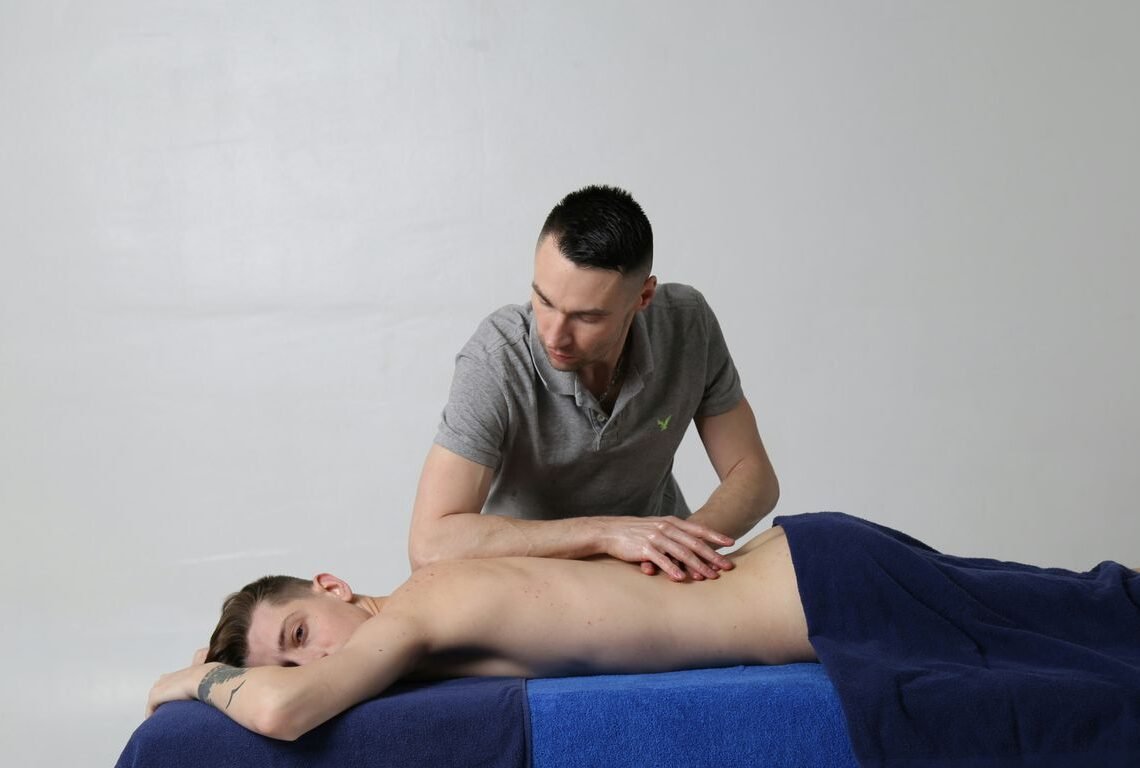
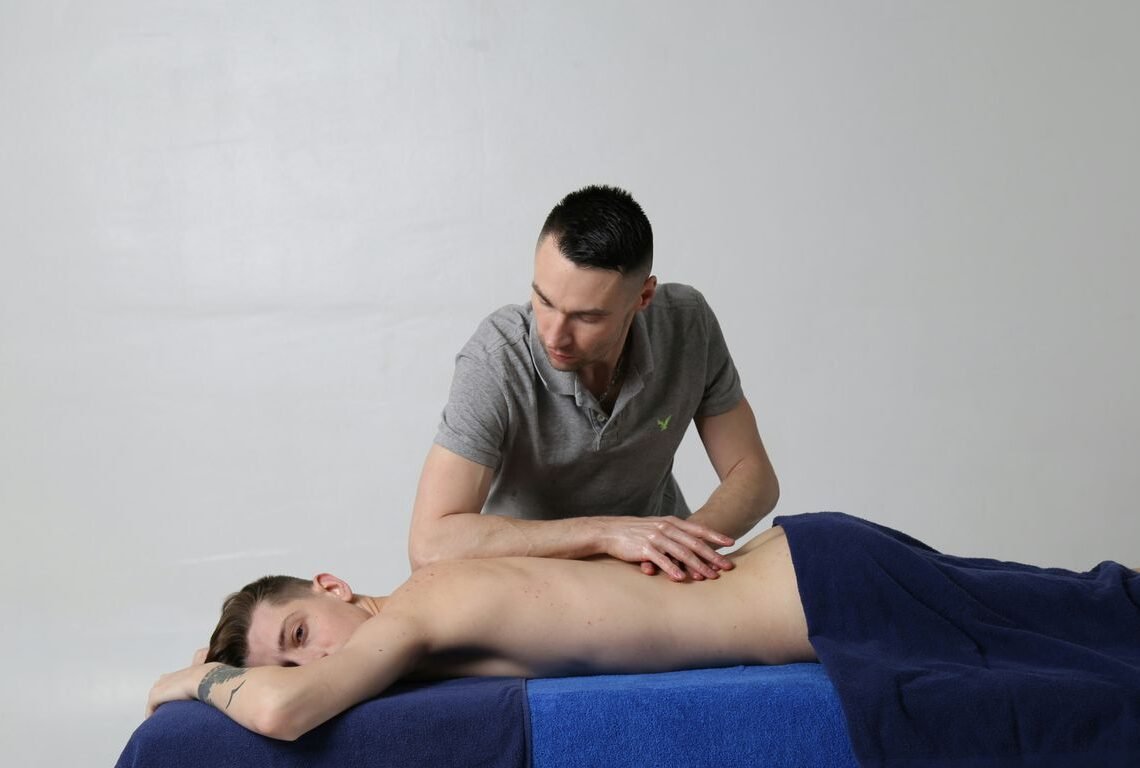
- Massage Therapy: This helps loosen up tight muscles and break down scar tissue that might have formed. It also gets more blood flowing to the injured areas, which is good for healing.
- Cryotherapy (Ice Therapy): Especially useful right after an injury, ice helps reduce swelling and inflammation. It can also numb the area a bit, offering some immediate pain relief.
- Electrical Stimulation: This involves using low-level electrical currents to encourage muscle contraction. It can help tired or weak muscles start working again and can also be used to manage pain.
These methods work together to reduce pain, get your flexibility back, and help prevent bigger issues down the road.
Chiropractic Solutions for Back Pain and Herniated Discs
Back pain is super common after car accidents, and sometimes discs can get involved. Chiropractors have specific ways to tackle these issues. Spinal decompression therapy, for example, uses gentle traction to create space between your vertebrae, which can relieve pressure on a herniated disc. Targeted adjustments help to realign the spine and ease any nerve impingement. They’ll also likely give you exercises to strengthen your core muscles, which are vital for supporting your spine and preventing future problems. Sometimes, heat therapy is used to increase blood flow and help the healing process along.
Dealing with pain after an accident can be overwhelming. Chiropractic care offers a way to address the physical trauma without resorting to surgery or strong medications. It focuses on helping your body heal itself by restoring proper alignment and function. The goal is not just to mask the pain but to fix the underlying issues that are causing it, leading to more lasting relief and better overall health.
Addressing Specific Injuries with Chiropractic Care
Car accidents can throw your body out of whack in all sorts of ways, and sometimes it’s not just a general ache. Chiropractors are pretty good at zeroing in on what’s going on and figuring out how to help.
How Are Soft Tissue Injuries Managed?
Soft tissue injuries, like sprains and strains to your muscles, ligaments, and tendons, are super common after a fender bender. Your chiropractor will likely use a mix of treatments to get these tissues back in shape. This can include things like instrument-assisted soft tissue mobilization, which uses special tools to break down scar tissue and adhesions that can form after an injury. They might also use ice therapy, especially early on, to help calm down swelling and inflammation. Sometimes, they’ll use electrical stimulation to get those muscles firing again and aid in recovery. Combining these therapies with adjustments helps your ligaments and muscles heal better after the impact.
Symptoms and Treatments for Neck Pain After a Car Accident
Neck pain is a big one, right? You might feel stiff, find it hard to turn your head, or even get tension headaches. Chiropractors have a few tricks up their sleeve for this. They might do some gentle neck stretches and joint mobilization to loosen things up. There’s also a technique called the Activator Technique, which uses a small handheld instrument to give precise, low-force adjustments to specific spots in your neck. Plus, they’ll probably give you some stretches to do at home to keep that mobility going. This whole approach helps calm down irritated nerves, get your neck muscles working together again, and hopefully get your neck moving like it used to.
Chiropractic Care for Whiplash and Neck Pain
Whiplash is that classic injury from a sudden jolt, like when your head snaps back and forth in a crash. Diagnosing it usually involves the chiropractor checking how well you can move your neck, feeling for sore spots, and sometimes ordering X-rays to make sure nothing’s broken. Treatment often includes gentle spinal adjustments specifically for the neck to get those bones back in line. They’ll also likely have you do exercises to strengthen your neck muscles and might use massage techniques to ease that tight, sore feeling. Getting early chiropractic intervention can really make a difference in how quickly you recover and how well you heal long-term.
Preparing for Your Chiropractic Appointment
What Should You Bring to Your First Visit?
Getting ready for your first chiropractic appointment after a car accident is pretty straightforward, but having the right stuff with you can make things go a lot smoother. Think of it like packing for a trip – you want to make sure you have everything you need before you head out the door. This way, you can focus on what really matters: getting the care you need to start feeling better.
Here’s a quick rundown of what’s helpful to bring along:
- Insurance Information: Definitely bring your insurance card and any details about your auto insurance policy. This helps the office figure out coverage and billing, which can be a headache if you don’t have it handy.
- Accident Report: If you have a copy of the police report from the accident, bring it. It provides important details about what happened.
- List of Medications: Jot down any medications you’re currently taking, including over-the-counter ones. This gives the chiropractor a fuller picture of your health.
- Previous Medical Records: If you’ve seen other doctors or had tests done for this injury, bring those records. They can offer valuable context.
What Documentation Is Needed for Insurance Purposes?
Dealing with insurance after an accident can feel like a whole other job. To make it easier, having specific documents ready for your chiropractor’s office is a good idea. They often handle a lot of the insurance legwork, but they need your help to get started.
- Your Insurance Card: This is the most basic thing, but absolutely necessary. Make sure it’s the correct insurance for this type of injury.
- Claim Information: If you’ve already filed a claim with your auto insurance, bring any claim numbers or adjuster contact details you have.
- Details of the Accident: This includes the date, time, location, and how the accident occurred. The more details, the better.
The chiropractor’s office will likely work with your insurance company to verify benefits and submit claims. Having all your documentation organized upfront can speed up this process and prevent delays in your treatment.
Should You Bring Previous Imaging Results?
If you’ve had any X-rays, MRIs, or CT scans done since the accident, bringing those results is a really good idea. These images can show the chiropractor things that aren’t always obvious from a physical exam alone. They help paint a clearer picture of what’s going on inside.
- X-rays: These are great for showing bone structure and alignment. They can reveal fractures or dislocations.
- MRIs: These are better for looking at soft tissues like muscles, ligaments, and discs. They can help identify sprains, strains, or herniated discs.
- CT Scans: These provide detailed cross-sectional images, useful for complex bone injuries.
Having these results means the chiropractor doesn’t have to order duplicate tests, saving you time and money. It also allows them to start developing your treatment plan much faster, based on concrete evidence of your injuries.
Choosing the Right Chiropractor for Auto Accident Injuries
Finding the right chiropractor after a car accident is a big step toward recovery. It’s not just about finding someone who can crack your back; it’s about finding a professional who understands the specific trauma of auto injuries and has a plan to help you heal. You want someone who can document your injuries properly for insurance and, most importantly, help you get back to feeling like yourself.
How Do You Know If a Chiropractor Specializes in Auto Accident Injuries?
When you’re looking for a chiropractor, especially after an accident, it’s smart to check if they really know their stuff when it comes to car crash injuries. A good way to tell is by looking at their website. Do they talk about treating accident victims? Do they mention specific techniques for whiplash or back pain from collisions? Reading reviews from other patients who were in similar situations can also give you a good idea. Don’t be shy about asking them directly during your first call or visit. Ask about their experience with car accident cases and what kind of results they typically see. Many chiropractors who focus on this area will be happy to explain their approach.
What Are the Benefits of Early Chiropractic Intervention?
Getting chiropractic care soon after an accident can make a real difference. The sooner you start treatment, the better your body can heal and the less likely you are to develop long-term problems.
Here are a few key benefits:
- Reduces Inflammation: Gentle adjustments can help improve blood flow to injured areas, which calms down swelling.
- Manages Pain Naturally: Chiropractic methods offer pain relief without relying on medication, avoiding potential side effects or dependency.
- Prevents Future Issues: By correcting spinal alignment early, you can stop your body from developing bad habits that lead to chronic pain and stiffness down the road.
What to Expect in Terms of Appointment Availability?
After an accident, you don’t want to wait weeks to get in to see someone. Chiropractors who specialize in auto injuries often understand this urgency. When you call to make an appointment, ask about their availability. Many are prepared to offer appointments quickly, sometimes even the same day if your situation is serious. Be ready to share your schedule and see what works best. It’s important to get started on your treatment plan without delay. If you’re in the Atlanta area, finding a clinic that prioritizes prompt care can be very helpful for your recovery journey.
Choosing a chiropractor is a personal decision, but focusing on their experience with auto accidents, their approach to treatment, and their availability can help you find the right fit for your healing process. Don’t hesitate to ask questions and make sure you feel comfortable with the care you’ll receive.
Moving Forward After Your Visit
So, you’ve had your first chiropractic appointment after the car crash. It’s a big step toward feeling like yourself again. Remember, healing takes time, and sticking with your chiropractor’s plan is key. Don’t hesitate to ask questions if anything is unclear. Getting regular adjustments and doing the recommended exercises can really make a difference in your recovery. You’re on the right track to getting back to your normal routine, pain-free.
Frequently Asked Questions
What should I expect on my first visit to a chiropractor after a car accident?
Your first visit involves a chat about your health history and how the accident happened. The chiropractor will also do a physical check-up to see how your body is moving and if anything is out of place. They might also suggest X-rays to get a better look inside.
How can a chiropractor help with pain from a car crash?
Chiropractors use hands-on techniques, like spinal adjustments, to help your body heal naturally. These adjustments can reduce pain, improve movement, and help prevent long-term problems without needing strong medications.
What kinds of injuries can a chiropractor treat after a car accident?
Chiropractors are great at treating things like whiplash, neck pain, back pain, and other muscle or joint issues that often happen in car crashes. They focus on getting your body back in alignment.
Do I need to bring any specific documents to my first chiropractic appointment?
It’s helpful to bring your insurance information, any police reports from the accident, and if you’ve had any X-rays or medical records from other doctors, bring those too. This helps the chiropractor understand your situation better.
How long does chiropractic treatment usually take after a car accident?
The time it takes to get better depends on your specific injuries. Some people feel better in a few weeks, while others might need a bit longer. Your chiropractor will create a plan just for you and adjust it as you heal.
Is chiropractic care safe for treating car accident injuries?
Yes, chiropractic care is considered safe and is a non-invasive way to treat injuries. Chiropractors use gentle methods that don’t involve surgery or strong drugs, helping your body heal itself.