


How Chiropractic Care Helps McDonough Patients with Sciatica
Sciatica can really throw a wrench in your day, can’t it? That sharp pain shooting down your leg, the numbness, the general discomfort – it’s no fun. For folks here in McDonough, dealing with this kind of back pain can make even simple tasks feel impossible. You might be wondering what’s causing it and, more importantly, what you can do about it without just popping pills. Well, there are natural ways to find relief, and chiropractic care is one of them. Let’s talk about how it might help you get back to feeling like yourself.
Table of Contents
ToggleKey Takeaways
- Sciatica pain often comes from issues like a bulging disc pressing on a nerve, causing discomfort that travels down your leg.
- Chiropractic care focuses on aligning your spine to take pressure off the sciatic nerve, aiming to reduce pain and inflammation naturally.
- Adjustments help restore movement in your spine, which can ease muscle spasms and help the area heal.
- If your sciatica started after an accident or injury, a chiropractor specializing in personal injuries can help address the specific trauma.
- Besides adjustments, chiropractors might use other methods like spinal decompression or exercises to help you recover and prevent future back pain in McDonough.
Understanding Sciatica and Its Causes
What is Sciatica?
Sciatica is a term that describes pain radiating along the path of the sciatic nerve. This nerve is the longest and thickest one in your body, starting in your lower back, going through your hips and buttocks, and then down each leg. When this nerve gets irritated or compressed, it can cause a whole lot of discomfort. It’s not really a diagnosis on its own, but more of a symptom that points to an underlying issue in your lower spine or hip area. Many people experience this at some point, and it can really throw a wrench in your daily life.
Common Culprits Behind Sciatic Nerve Pain
So, what actually causes this nerve to get aggravated? There are a few common reasons.
- Herniated or Bulging Discs: This is probably the most frequent cause. Your spinal discs are like little cushions between your vertebrae. If one of these discs bulges out or ruptures, it can press right on the sciatic nerve root. It’s like having something stick out where it shouldn’t be, causing pressure.
- Spinal Stenosis: This condition involves a narrowing of the space within your spinal canal. When this happens, there’s less room for the nerves, and the sciatic nerve can get squeezed.
- Piriformis Syndrome: Deep in your buttocks is a muscle called the piriformis. If this muscle spasms or becomes tight, it can irritate or compress the sciatic nerve that runs nearby. Sometimes this happens after an injury or even just from prolonged sitting.
- Spondylolisthesis: This is when one vertebra slips forward over another. This misalignment can pinch the sciatic nerve as it exits the spine.
Less common, but still possible, causes include injuries to the spine or the nerve itself, or even tumors in the spinal canal, though these are quite rare.
Recognizing the Symptoms of Sciatica
Figuring out if what you’re feeling is actually sciatica can sometimes be tricky, but there are some tell-tale signs. The most obvious is pain, of course. It usually starts in the lower back or buttock and travels down the back of your leg. This pain can feel different for everyone – some describe it as a sharp, shooting pain, others as a burning sensation, or even like an electric shock.
Beyond the pain, you might also notice:
- Numbness or a "pins and needles" feeling in your leg or foot.
- Muscle weakness in the affected leg, making it hard to stand or walk.
- Pain that gets worse when you sit for a long time, stand up, or even when you sneeze or cough.
- Difficulty standing up straight because of the pain.
It’s important to note that sciatica typically affects only one side of your body, though it can happen on both. Sometimes, the pain might not even reach your foot, stopping at the knee, which could point to a different issue altogether. Getting a proper diagnosis is key to figuring out the best way to get relief.
Sciatica is a symptom, not the root problem. Understanding what’s causing the pressure on your sciatic nerve is the first step toward effective treatment and long-term relief.
Chiropractic Care: A Natural Approach to Back Pain in McDonough
When sciatica strikes, it’s easy to feel like you’re stuck. The pain can be intense, making even simple tasks feel impossible. Many people automatically think about pain medication, and sure, that can offer some temporary relief. But what if there was a way to address the root cause of the problem without relying on pills? That’s where chiropractic care comes in. It’s a hands-on approach that focuses on getting your body back into alignment so it can heal itself.
The Philosophy of Chiropractic Wellness
The core idea behind chiropractic is pretty straightforward: your body is designed to be healthy, and often, pain and discomfort arise when your spine and its supporting structures aren’t in the right place. Think of it like a misaligned wheel on a car – it doesn’t roll smoothly and can cause other problems. Chiropractors aim to correct these misalignments, called subluxations, to restore proper function and allow your body’s natural healing abilities to kick in. This focus on natural healing means fewer side effects and a more sustainable path to feeling better. It’s about treating the whole person, not just the symptom.
How Spinal Alignment Impacts Sciatica
Sciatica pain often happens because something is pressing on your sciatic nerve. This pressure can come from a herniated disc, bone spurs, or even tight muscles. When your spine is out of alignment, it can put extra stress on these areas, making nerve compression more likely. By carefully adjusting the spine, a chiropractor can help to:
- Reduce pressure on the sciatic nerve.
- Improve the space for discs and nerves to function properly.
- Restore normal movement in the lower back and hips.
Getting your spine aligned is a big step toward easing that sciatic nerve pain and helping the surrounding tissues calm down.
Non-Invasive Relief for Back Pain in McDonough
Living with back pain, especially sciatica, can really take a toll on your life. It affects your work, your hobbies, and your overall mood. Many patients in McDonough are looking for relief that doesn’t involve surgery or a long list of medications with potential side effects. Chiropractic care provides that option. It’s a conservative treatment that works with your body’s natural processes. Instead of masking the pain, chiropractors aim to fix the underlying issue, offering a path to lasting relief and improved function. If you’re dealing with persistent back pain, exploring chiropractic adjustments could be a smart move toward getting back to your normal life.
How Chiropractic Adjustments Alleviate Sciatica
So, you’re dealing with sciatica, that sharp, shooting pain that makes just walking feel like a chore. It’s easy to think you just have to live with it or pop pills, but there’s a different way. Chiropractic care focuses on getting your body back in sync, and that’s where adjustments come in.
Targeting Subluxations for Nerve Decompression
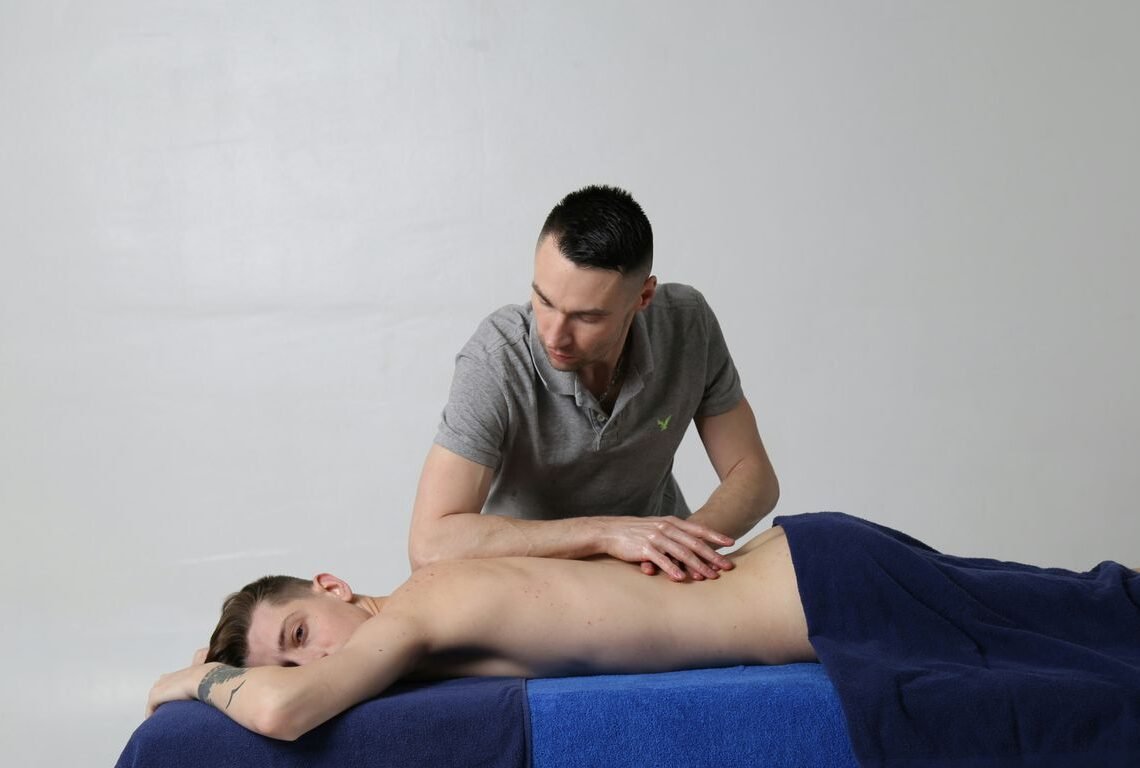
Think of your spine like a well-organized highway. Sometimes, a "traffic jam" happens – a vertebra might shift out of place, which chiropractors call a subluxation. This misalignment can press on the sciatic nerve, causing all that pain. Chiropractic adjustments are like clearing that traffic jam. Using quick, controlled movements, the chiropractor gently nudges the misplaced vertebra back into its proper position. This takes the pressure off the sciatic nerve, giving it room to breathe and reducing that burning or shooting sensation.
Restoring Spinal Mobility and Reducing Inflammation
When your spine is stiff or restricted, it can irritate the nerves. Adjustments help to loosen things up, improving how your spine moves. This increased mobility is key because it helps reduce the inflammation that’s often a big part of sciatica. Less inflammation means less pain and a better environment for healing.
Promoting Natural Healing and Muscle Stabilization
Once the pressure is off the nerve and your spine is moving better, your body can start to do what it does best: heal. Chiropractic care doesn’t just mask the pain; it aims to fix the underlying issue. By correcting spinal alignment, it helps the muscles around your spine to relax and then gradually strengthen. This stabilization is important for preventing sciatica from coming back and helping you get back to your normal activities without constant worry.
Specialized Chiropractic Care for Injury-Related Sciatica
Addressing Sciatica After Accidents
Accidents, whether from a car crash or a simple slip and fall, can sometimes trigger sciatica. When an injury happens, it might damage a spinal disc, causing it to bulge or even rupture. This can put direct pressure on your sciatic nerve, kind of like stepping on a garden hose and blocking the water flow. Instead of sending normal signals, the nerve starts sending pain signals. This often feels like a sharp, shooting pain that starts in your lower back and travels down your leg, following the nerve’s path. You might also notice some numbness, tingling, or even weakness in your leg. It’s a whole chain reaction: injury, swelling, pressure, and then pain. That’s why it’s so important to deal with the actual cause, not just the pain itself.
The Expertise of a Personal Injury Chiropractor
This is where a chiropractor who really gets personal injuries can make a big difference. They know how to look past the immediate pain to figure out what’s really going on. Using their skills, they can gently adjust your spine to ease that pressure on the nerve, helping your body start to heal naturally. It’s a non-invasive way to get to the root of the problem, not just cover up the symptoms. Treating sciatica from an injury isn’t just about taking medicine to feel better for a bit; it’s about understanding the whole situation and finding a solution that helps your body heal from the inside out. That’s exactly what a personal injury chiropractor is trained to do. Chiropractic care has shown a high success rate of 72% in alleviating sciatica symptoms, which is pretty impressive compared to other methods [5cfd].
Comprehensive Treatment for Trauma-Induced Pain
When injuries from accidents lead to sciatica, getting better can be a bit complicated. That’s why the specific knowledge of a personal injury chiropractor is so helpful. These chiropractors have extra training to handle the unique issues that come with injuries. They understand the details of pain caused by trauma and the best ways to treat it. They often work with other health professionals too, making sure you get a complete treatment plan that covers your sciatic pain and any other related injuries or concerns. While all doctors want to help you feel better and heal, a personal injury chiropractor brings that extra layer of specialized knowledge for those who’ve been hurt.
- Identify the root cause of nerve compression.
- Gently realign spinal structures.
- Reduce inflammation and muscle tension.
- Develop a personalized recovery plan.
Advanced Chiropractic Techniques for Sciatica Relief
Spinal Decompression Therapy Explained
Spinal decompression therapy is a specialized treatment that gently stretches the spine. The idea is to create space between your vertebrae, which can relieve pressure on the sciatic nerve. This is often done using a special table that slowly pulls and releases your spine. It’s a non-surgical way to help discs that might be bulging or herniated, which are common causes of sciatica. This therapy aims to reduce nerve compression and promote healing within the disc itself. It’s a pretty hands-off approach, letting the equipment do most of the work under the chiropractor’s supervision.
The Role of Laser and Electrotherapy
Beyond just adjustments and decompression, chiropractors might use other tools to help with sciatica. Laser therapy, sometimes called cold laser therapy, uses specific light wavelengths to help reduce inflammation and speed up tissue repair. It’s not like a laser you’d see in a sci-fi movie; it’s quite gentle. Electrotherapy, on the other hand, uses electrical stimulation to help relax tight muscles and block pain signals. Think of it as a way to get those sore, spasming muscles to calm down and give your nerves a break. These therapies are often used alongside other treatments to give you a more complete approach to feeling better.
Mobility and Strength Exercises for Long-Term Health
While hands-on treatments are great for immediate relief, keeping sciatica away for good often means strengthening your body. Chiropractors will often give you specific exercises to do at home. These aren’t just random stretches; they’re tailored to your specific condition. They focus on improving flexibility in your hips and hamstrings, strengthening your core muscles, and improving your posture. Doing these regularly can help support your spine better and prevent future flare-ups. It’s about building a more resilient body so you can get back to doing the things you enjoy without that nagging sciatic pain.
It’s easy to think of chiropractic care as just cracking backs, but there’s a lot more to it. Modern chiropractic offices use a variety of techniques, from gentle stretching machines to targeted light therapies, all aimed at getting to the root of your sciatica. The goal is always to help your body heal itself naturally, without relying on drugs or surgery. This approach focuses on restoring proper function and building strength for the long haul.
Choosing the Right Care for Back Pain in McDonough
Conservative Treatments for Sciatica
When sciatica first shows up, most people want to try things that aren’t surgery or strong drugs. That’s totally understandable. There are several ways to approach this kind of back pain without going straight to the most intense options. Think about things like physical therapy, which can help strengthen the muscles supporting your spine. Sometimes, simple exercises and stretches, done correctly, can make a big difference. Heat and ice therapy can also offer temporary relief from the pain and inflammation. It’s all about finding what works for your body and your specific situation.
The Benefits of Seeking Chiropractic Care First
Many folks in McDonough are finding that starting with chiropractic care for their sciatica is a smart move. Chiropractors focus on the spine’s alignment and how it affects your nerves. When your spine is out of whack, it can put pressure on the sciatic nerve, causing that awful pain. Chiropractic adjustments aim to correct these misalignments, taking that pressure off and allowing your body to heal naturally. It’s a hands-on approach that doesn’t involve drugs or surgery, which appeals to a lot of people. Plus, chiropractors often look at your overall health and lifestyle to help prevent future problems.
Reducing Reliance on Pain Medication
One of the biggest pluses of exploring conservative treatments like chiropractic care is the potential to cut down on pain medication. Relying too much on pills can lead to other issues, and they often just mask the pain rather than fixing the root cause. By addressing the underlying spinal issues that contribute to sciatica, chiropractic treatment can help reduce the need for painkillers. This means you’re not just getting temporary relief; you’re working towards a more sustainable solution for your back pain.
Here’s a look at common conservative approaches:
- Chiropractic Adjustments: Manual manipulation to restore spinal alignment.
- Physical Therapy: Exercises and stretches to strengthen supporting muscles.
- Heat/Ice Therapy: To manage inflammation and pain.
- Lifestyle Modifications: Advice on posture, ergonomics, and activity.
It’s important to remember that everyone’s body is different. What works wonders for one person might not be the best fit for another. Talking with a healthcare provider, like a chiropractor, can help you figure out the most effective path forward for your sciatica.
Wrapping Up Your Sciatica Journey
So, if you’re in McDonough and dealing with that nagging sciatica pain, remember there are options beyond just popping pills. Chiropractic care offers a way to get to the bottom of what’s causing your discomfort, focusing on getting your body back in line so it can heal itself. It’s a hands-on approach that many find really helps ease the pain and get them moving better. Don’t just live with it; exploring chiropractic treatment could be the key to feeling like yourself again.
Frequently Asked Questions
What exactly is sciatica?
Sciatica is a type of pain that travels down your body from your lower back. It happens when the sciatic nerve, which is the longest nerve in your body, gets squeezed or irritated. This can cause a sharp, shooting pain, numbness, or tingling that goes down your leg.
What usually causes sciatica?
Most of the time, sciatica is caused by a problem with a disc in your lower spine, like a herniated or bulging disc. This disc can press on the sciatic nerve. Other things like narrowing of the spinal canal (spinal stenosis) or injuries can also lead to sciatica.
How can a chiropractor help with sciatica?
Chiropractors focus on making sure your spine is aligned correctly. When your spine is out of place, it can put pressure on nerves, including the sciatic nerve. A chiropractor uses gentle adjustments to realign your spine, which can relieve pressure on the nerve and reduce pain.
Is chiropractic care safe for sciatica?
Yes, chiropractic care is generally very safe for sciatica. It’s a non-invasive treatment, meaning it doesn’t involve surgery or strong medications. Chiropractors are trained to use specific techniques to help your body heal naturally.
What if my sciatica is from an injury, like a car accident?
If your sciatica started after an injury, a chiropractor who specializes in personal injuries can be especially helpful. They understand how trauma affects the body and can create a treatment plan that addresses both the injury and the resulting sciatica, looking for problems others might miss.
What are some other ways chiropractors help with sciatica besides adjustments?
Besides adjustments, chiropractors might use other methods like spinal decompression to gently stretch the spine, laser therapy to reduce swelling and help healing, or special exercises to strengthen your back and prevent pain from coming back. It’s a complete approach to getting you better.