

Fall Injuries in Seniors: What Duluth Families Should Know

Falls can be a big worry for folks in Duluth, especially our older residents. It’s not just about a little stumble; these incidents can really change things for seniors, affecting their bodies and their minds. Knowing the risks and how to prevent them is super important for keeping everyone safe and independent right here in our community.
Table of Contents
ToggleKey Takeaways
- Many falls happen at home, so making sure the house is safe is a top priority. This means clearing clutter, securing rugs, and making sure lights work well.
- Outside the home, keeping walkways clear and making sure handrails are sturdy helps prevent trips and stumbles.
- Regular exercise that focuses on strength and balance can make a big difference in preventing falls.
- Wearing the right shoes with good grip and using helpful devices like canes or walkers when needed can improve stability.
- Beyond the physical, falls can cause fear and lead to people staying home more, which can impact their mood and social life.
Understanding The Risks of Slip & Fall Injuries in Duluth
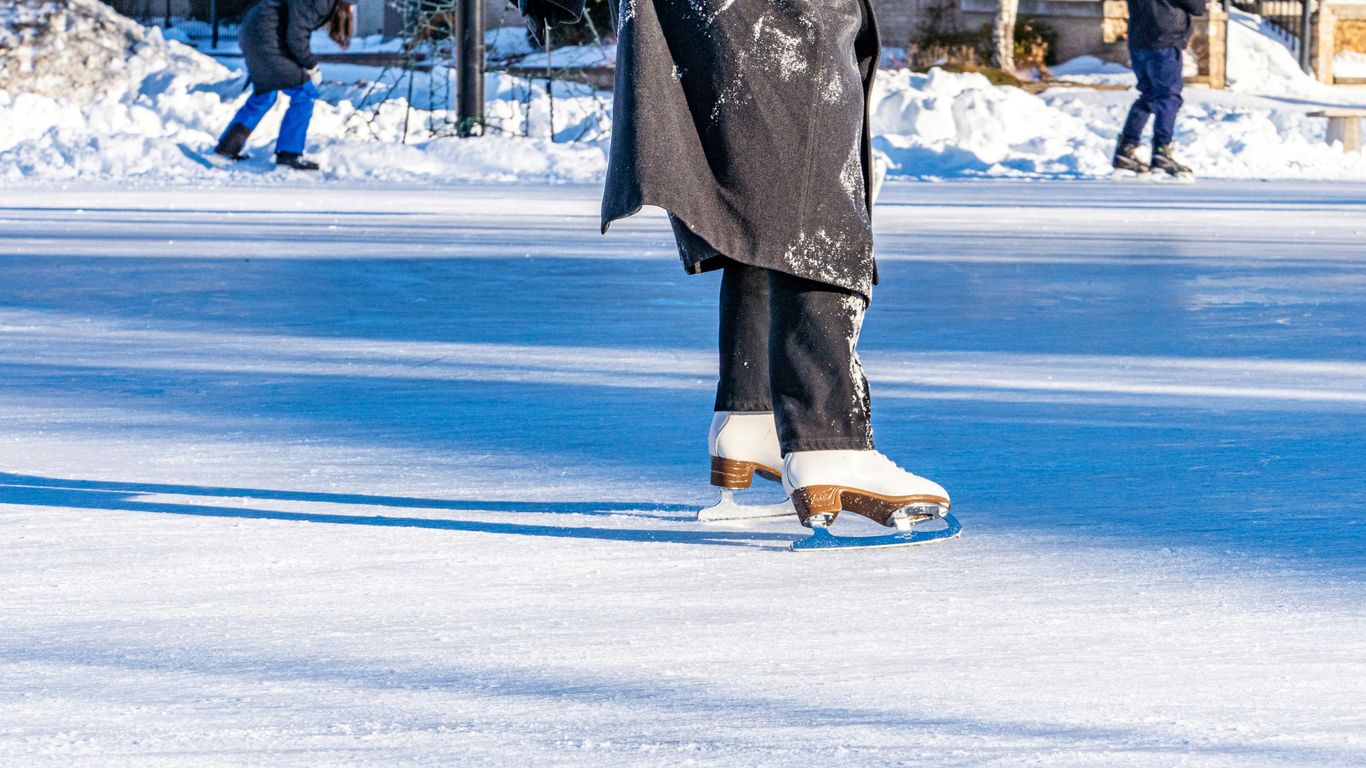
It’s easy to think of a fall as just a simple stumble, but for seniors in Duluth, it can be a lot more serious. The numbers are pretty eye-opening: about one in three older adults takes a tumble each year. That adds up to millions of emergency room visits and, sadly, thousands of deaths. Many of these falls lead to broken hips, which often means surgery and a long road to recovery. The impact of a fall can ripple through a senior’s life, affecting their physical health, emotional state, and even their independence.
Common Factors Contributing to Senior Falls
Several things can make falls more likely as we get older. Our balance might not be what it used to be, and our leg strength can decrease. Even changes in vision, like developing cataracts, can make it harder to see obstacles. Plus, some medications can make us feel dizzy or unsteady. It’s a mix of things, really.
- Changes in gait and balance
- Decreased muscle strength
- Vision impairments
- Medication side effects
- Environmental hazards like poor lighting
The Impact of Chronic Conditions on Fall Risk
Living with ongoing health issues can really ramp up the risk of falling. Conditions like arthritis can cause pain and stiffness, making movement difficult. Diabetes can lead to nerve damage, affecting sensation in the feet. Even things like heart conditions or low blood pressure can cause dizziness. When you’re dealing with one or more of these, it’s like walking a tighter rope.
Chronic health problems often go hand-in-hand with increased fall risk. Managing these conditions and understanding how they affect mobility is key to prevention.
How Age and Previous Falls Increase Vulnerability
As we age, our bodies naturally change, and that can make us more prone to falls. But here’s something important: if you’ve fallen before, you’re more likely to fall again. It’s not just about the physical changes; sometimes, a previous fall can lead to a fear of falling, which makes people move less. And when you move less, your muscles get weaker, and your balance gets worse, creating a cycle that increases the risk of future falls.
- Natural aging processes affect balance and strength.
- A history of falls significantly raises the likelihood of future incidents.
- Fear of falling can lead to reduced activity and further physical decline.
Preventing Falls in and Around the Duluth Home
When we talk about keeping our seniors safe, a big chunk of that happens right where they live – their homes. It’s easy to overlook the little things, but a few smart changes can make a world of difference. Think about it: many falls happen because of something simple, like a rug that’s a bit too slippery or a hallway that’s not quite bright enough. We want our loved ones to feel secure and independent, and making their living space safer is a huge part of that.
Home Safety Modifications to Prevent Trips
Let’s get down to brass tacks about making the house a safer place. It’s not about a total renovation, but more about spotting and fixing potential hazards. The goal is to create a smooth, clear path for movement, reducing those unexpected stumbles.
- Clear the Clutter: This is number one. Things like newspapers, shoes, or even pet toys left on the floor are just waiting to cause a trip. Make it a habit to put things away.
- Secure Rugs and Mats: Loose rugs are a major culprit. Use double-sided tape or non-slip backing to keep them firmly in place. If a rug is too worn or curled up, it might be time to let it go.
- Install Grab Bars: Especially in the bathroom, grab bars near the toilet and in the shower or tub can provide much-needed stability. They’re not just for people who are already having trouble; they’re a good preventative measure.
- Check Furniture Placement: Make sure furniture is arranged so there are clear pathways. Avoid placing furniture where it juts out into walkways, creating a hidden obstacle.
Ensuring Walkways and Entryways Are Clear
This is about the journey to and from the front door, and any other doors used regularly. These areas often get overlooked, but they’re where many slips and falls can happen, especially when the weather isn’t cooperating.
- Porch and Steps: Make sure any steps leading up to the house are in good repair. Handrails should be sturdy and run the full length of the stairs if possible. Keep them free of debris like leaves or ice.
- Driveway and Sidewalks: Regularly check these areas for cracks or uneven surfaces that could cause a stumble. In winter, prompt snow and ice removal is absolutely critical.
- Entryway Mats: Use mats both inside and outside doors to catch moisture and dirt. The outside mat should be one that stays put, and the inside one should be low-profile and secured.
The Importance of Adequate Lighting Indoors
Good lighting is like a silent guardian against falls. When it’s dim, it’s harder to see obstacles, changes in floor level, or even just where to place your feet. Making sure every area is well-lit is one of the simplest yet most effective ways to prevent accidents.
- Hallways and Stairs: These are high-risk areas. Ensure there are lights at both the top and bottom of stairs, and that hallways are brightly lit throughout.
- Night Lights: Consider motion-activated night lights for bedrooms, bathrooms, and hallways. This provides visibility during nighttime trips without needing to turn on a main light, which can be disorienting.
- Lamp Placement: Position floor and table lamps so they illuminate pathways and common areas. Avoid placing them where they could be knocked over or create a tripping hazard themselves.
Making small, consistent efforts to improve home safety can significantly reduce the risk of falls for seniors. It’s about creating an environment that supports mobility and confidence, allowing them to live more safely and independently within their own familiar surroundings.
External Factors and Fall Prevention for Duluth Seniors
Beyond the four walls of a home, the outside world presents its own set of challenges for seniors in Duluth. Weather, uneven surfaces, and accessibility issues can all contribute to a fall. It’s about making sure the journey from the front door to the car, or a walk down the driveway, is as safe as possible.
Securing Outdoor Handrails and Stairs
Outdoor stairs, whether on a porch or leading to the front door, can be a real hazard, especially when Duluth’s weather turns icy or wet. It’s important to check that any handrails are firmly attached and sturdy. A wobbly handrail offers little help and can actually be more dangerous than none at all. Make sure they extend far enough to provide support for the entire length of the stairs. If there aren’t any, or if they’re in bad shape, it’s time to get them fixed or installed. This is one of those things that seems small, but it makes a big difference in how secure someone feels when going up or down.
Maintaining Clear and Safe Exterior Pathways
Think about the paths seniors use regularly outside their homes. This includes driveways, sidewalks, and any walkways leading to the garage or garden. Overgrown bushes, stray garden tools, or even just accumulated leaves can create tripping hazards. In Duluth, snow and ice are a major concern during the colder months. Keeping these areas shoveled, salted, and free of debris is absolutely critical. Even small cracks in the pavement can become a problem, especially if they’re hidden under a layer of leaves or snow. Regular checks and prompt clearing of these pathways can prevent many serious accidents.
Adaptive Tools for Safer Vehicle Entry and Exit
Getting in and out of a car can be surprisingly difficult for seniors, especially if they have joint pain or balance issues. The height of the car, the distance to the door, and the lack of a stable grip can all make this a risky maneuver. There are some helpful tools available that can make a big difference. For instance, a car cane can hook onto the car door frame, providing a sturdy handle to hold onto. There are also swivel cushions that make it easier to turn the body into the car seat. These simple aids can significantly reduce the effort and risk involved in getting into and out of a vehicle, helping seniors maintain their independence when they need to travel.
The transition from indoor safety to outdoor hazards requires a specific focus. It’s not just about the home itself, but the immediate environment surrounding it. Addressing outdoor stairs, pathways, and vehicle access points proactively can significantly lower the risk of falls for seniors in our community.
The Physical and Psychological Aftermath of Falls

When a senior takes a tumble, it’s rarely just a minor inconvenience. The physical toll can be significant, and the emotional impact often lingers, sometimes even longer than the physical injuries themselves. It’s not uncommon for older adults to experience a cascade of issues following a fall, affecting their confidence and daily lives.
Common Injuries and Extended Recovery for Seniors
Falls are a leading cause of serious injuries for older adults. Bones become more brittle with age, making fractures a real concern. Hip fractures, in particular, can be devastating, often requiring surgery and a long, tough road to recovery. Even seemingly minor falls can lead to:
- Head Injuries: These can range from bumps and bruises to more serious traumatic brain injuries (TBIs), especially if the senior is on blood thinners.
- Fractures: Common sites include the hip, spine, wrist, and ankle.
- Soft Tissue Injuries: Sprains, strains, and deep bruises can be painful and limit mobility.
Recovery for seniors often takes longer than for younger individuals. There’s also a higher risk of complications during healing, like infections or blood clots, which can mean extended hospital stays. This prolonged recovery period can be tough both physically and mentally.
The Cycle of Fear and Reduced Mobility
One of the most insidious consequences of a fall is the development of a fear of falling again. This isn’t just a passing worry; it can become a powerful force that dictates behavior. Seniors who are afraid of falling might start to limit their activities, avoiding even simple tasks like walking to the mailbox or going out with friends. This reduced activity, however, can lead to muscle weakness and a decline in balance, ironically increasing their actual risk of falling. It creates a difficult cycle that’s hard to break.
The fear of falling can be just as debilitating as the physical injury itself. It can lead to a loss of confidence and a reluctance to engage in activities that were once enjoyed, contributing to a decline in overall well-being.
Addressing Head Injuries and Bone Health
It’s vital to take any potential head injury seriously after a fall. Even if there are no immediate outward signs of trauma, a medical evaluation is often recommended, especially if symptoms like dizziness, confusion, or severe headache develop. Keeping up with bone health is also key. Conditions like osteoporosis weaken bones, making them more susceptible to fractures. Regular check-ups with a doctor can help monitor bone density and discuss strategies for maintaining strong bones, which is a key part of preventing severe outcomes from falls. Learning more about fall prevention strategies can make a big difference for Duluth families. fall prevention strategies
Maintaining Independence and Social Engagement
After a fall, it’s really common for folks to start feeling a bit scared about moving around. This fear can make people want to stay put, which, ironically, can actually make them weaker and less steady. It’s a tough cycle to break, but staying active is key to keeping your independence. Think about it: if you’re worried about every step, you might stop going out, seeing friends, or doing the things you love. That’s where focusing on what you can do becomes so important.
Overcoming Fear to Stay Active
It’s completely understandable to feel hesitant after a scare. The trick is to start small and build confidence. Maybe it’s just a short walk around the block, or trying a few simple exercises at home. The goal isn’t to push yourself too hard, but to gently reintroduce movement and prove to yourself that you can still move safely. Finding activities that feel good and don’t trigger that fear is a big win. Sometimes, just having a plan for how to handle a wobbly moment can make a huge difference in feeling more secure.
The Role of Companionship in Well-being
Having someone by your side can make a world of difference. Whether it’s a family member, a friend, or a caregiver, companionship provides not just an extra set of eyes for safety, but also emotional support. It can make those walks feel less daunting and social outings more appealing. Knowing someone is there can ease anxiety and encourage participation in activities that might otherwise feel too risky. This support system is really what helps keep spirits up and prevents that feeling of being alone with your worries.
Preventing Social Isolation After a Fall
Falls can sometimes lead to people withdrawing from their usual social circles. This isolation can be tough on mental health. To combat this, it’s helpful to find ways to stay connected, even if it means adapting how you socialize. Maybe it’s a phone call instead of an in-person visit, or joining a virtual book club. For those who need a bit more help getting out and about, services that assist with ambulation can be a real game-changer, making it easier to attend appointments or visit friends. The aim is to keep those social ties strong, because they’re so important for overall happiness and well-being.
Strategies for Building Strength and Balance
Staying steady on your feet isn’t just about avoiding spills; it’s about keeping your independence and enjoying life. A big part of that is making sure your body is up for the task. Think of it like maintaining a car – you need to keep the engine running smoothly and the tires properly inflated. For us, that means working on our strength and balance.
The Benefits of Regular Exercise Programs
Regular movement is key. It’s not just about feeling good, though that’s a nice bonus. Consistent physical activity helps build up your muscles, improves how flexible you are, and makes your coordination better. Plus, it’s good for your bones and can even help manage some long-term health issues that might make you unsteady. Finding an exercise routine you actually enjoy is half the battle.
Focusing on Leg Strength and Balance Training
When we talk about preventing falls, the legs are super important. They’re what keep you upright and moving. Exercises that specifically target leg strength and balance can make a real difference. Things like standing on one foot for a bit, or practicing walking with your heel right in front of your toe, can really help. Even simple things like getting up from a chair without using your hands can be a good workout.
Here are a few ideas to get you started:
- Single Leg Stands: Hold onto a sturdy chair or counter for support. Lift one foot a few inches off the ground and try to hold it for 10-30 seconds. Repeat on the other side.
- Heel-to-Toe Walk: Walk in a straight line, placing the heel of your front foot directly in front of the toes of your back foot. Take about 10-15 steps.
- Chair Squats: Stand in front of a sturdy chair, feet hip-width apart. Slowly lower yourself as if you’re going to sit down, then stand back up. Do 10-15 repetitions.
It’s important to listen to your body. If something feels too difficult or causes pain, don’t push it. Start slow and gradually increase the duration or intensity of your exercises as you get stronger.
Incorporating Tai Chi and Yoga for Seniors
Activities like Tai Chi and yoga are fantastic for seniors looking to improve their balance and strength. Tai Chi, with its slow, flowing movements, is particularly good for improving stability and body awareness. Yoga offers a mix of stretching, strength building, and balance poses. Many community centers and gyms offer classes specifically designed for older adults, making it a great way to get some exercise and socialize at the same time.
Choosing the Right Footwear and Assistive Devices
When it comes to staying steady on your feet, what you wear on them and what you might use to help you walk are super important. It’s not just about looking good; it’s about safety, plain and simple.
Selecting Shoes with Non-Slip Soles
Think about your shoes like tires on a car. You wouldn’t want bald tires on a rainy day, right? The same goes for your feet. Shoes with good grip are key. Look for soles that have a bit of texture, not smooth and slick. Rubber soles are often a good bet. The goal is to give your feet a solid connection to the ground, reducing the chance of a sudden slip.
The Importance of Proper Shoe Fit
Even the best non-slip sole won’t help much if your shoes are too big or too small. Shoes that are too loose can make your foot slide around inside, leading to trips. On the other hand, shoes that pinch or rub can cause pain and make you walk differently, which can also throw off your balance. It’s a good idea to try on shoes later in the day when your feet are a bit swollen, and make sure there’s about a thumb’s width of space between your longest toe and the end of the shoe. Don’t forget to check the fit regularly, especially if your feet change shape over time.
When to Utilize Canes and Walkers
Sometimes, even with the best shoes, you might need a little extra help. Canes and walkers aren’t a sign of weakness; they’re smart tools that can make a big difference in preventing falls. A cane can offer a bit of extra support and stability, while a walker provides a wider base of support. If you find yourself feeling unsteady, needing to reach for furniture to keep your balance, or if you’ve had a recent fall, it’s definitely time to talk to your doctor or a physical therapist about whether a cane or walker might be right for you. They can help you pick the right type and show you how to use it correctly so it actually helps, rather than hinders, your mobility.
Putting It All Together
Falls are a real concern for our older loved ones here in Duluth, and it’s easy to feel overwhelmed by the statistics. But the good news is, a lot can be done to help. By taking a close look at their home environment, encouraging safe movement, and staying aware of potential hazards, we can make a big difference. It’s about making small, consistent changes that add up to a safer, more independent life for seniors. Remember, looking out for our elders is a community effort, and these steps are a great way to start.
Frequently Asked Questions
What makes seniors more likely to fall?
As people get older, their bodies change, which can make them more prone to falls. Things like vision getting worse, muscles getting weaker, and balance not being as good play a big role. Also, some health problems and medicines can make falling more likely. Even past falls can make someone more nervous and careful, which sometimes leads to more falls.
How can I make my home safer to prevent falls?
You can make your home much safer by removing clutter that could cause trips, like shoes or cords on the floor. Make sure rugs have non-slip pads or are taped down. Good lighting is super important, especially on stairs and in hallways. Adding grab bars in the bathroom and near stairs can also make a huge difference.
Why is it important to clear outdoor paths?
Keeping walkways outside clear is really important because it stops seniors from tripping over things like garden hoses, toys, or even just uneven ground. Making sure paths are free of clutter and in good repair helps them get around safely when they go outside, whether it’s to get the mail or just enjoy some fresh air.
What happens after a senior falls, besides physical injuries?
Besides getting hurt physically, falling can really scare seniors. This fear can make them move less to avoid falling again, but that can make them weaker and actually increase their risk of falling more. It can also make them feel lonely if they stop going out and seeing people.
How can exercise help prevent falls?
Doing exercises that focus on making your legs stronger and improving your balance is one of the best ways to stop falls. When your legs are strong and you can balance well, it’s easier to catch yourself if you slip or trip. Activities like Tai Chi, yoga, and even just walking regularly can help a lot.
What kind of shoes and tools are best for preventing falls?
Wearing shoes with non-slip bottoms and good support is key. Make sure they fit well and aren’t worn out. If someone has trouble with balance or walking, using a cane or walker can provide extra support and make them feel more secure. It’s also helpful to have these tools easily reachable.