


Common Neck Pain Causes in Marietta and When to Seek Help

Neck pain is a really common issue, and if you’re in Marietta, you’re probably wondering what’s causing it and what you can do. It can pop up from just about anything, from how you sleep to more serious stuff like injuries. It’s not fun dealing with that constant ache or stiffness, and it can really mess with your day-to-day life. Let’s talk about why your neck might be hurting and when it’s time to get some professional help right here in Marietta.
Table of Contents
ToggleKey Takeaways
- Everyday habits like poor posture while using computers or phones, or even sleeping in an awkward position, are frequent culprits for neck pain in Marietta.
- As we get older, wear and tear on the neck’s joints, like with arthritis, can lead to discomfort and stiffness.
- Sudden injuries from car accidents, falls, or sports can cause significant neck pain and require immediate attention.
- If your neck pain is severe, doesn’t get better after a few days, or spreads down your arms or legs, it’s time to see a doctor.
- Treatments like chiropractic care, physical therapy, and lifestyle changes can help manage and prevent neck pain effectively in Marietta.
Common Causes of Neck Pain in Marietta
It seems like everyone in Marietta, and honestly, everywhere, deals with some kind of neck pain at some point. It’s that flexible part of us that lets us look around, but that flexibility also makes it a prime spot for trouble.
Everyday Activities and Poor Posture
This is probably the biggest culprit for most people. Think about how you sit at your desk all day, hunched over a computer or phone. That’s a lot of strain on your neck muscles and spine. Even sleeping in a weird position can leave you stiff and sore. Constantly looking down at screens, often called ‘tech neck,’ puts a significant amount of stress on your cervical spine. It’s like holding a bowling ball out in front of you for hours on end. Over time, this can lead to muscle imbalances and pain.
Degenerative Conditions and Aging
As we get older, our bodies naturally start to wear down, and the neck is no exception. Conditions like osteoarthritis, where the cartilage in your joints breaks down, can cause pain and stiffness. Another one is rheumatoid arthritis, which is an autoimmune disease that can affect the joints in your neck. These aren’t things you can always avoid, but they are common reasons why neck pain pops up, especially as people reach their later years.
Injuries from Accidents and Trauma
Accidents happen, and unfortunately, the neck is often involved. Car accidents, especially those involving whiplash, are a major cause of neck injuries. This happens when your head is suddenly forced backward and then forward, stretching or tearing the soft tissues in your neck. Contact sports, falls, or even diving accidents can also lead to neck injuries, ranging from simple strains to more serious issues like fractures or dislocations. These types of injuries can be quite severe and often require immediate medical attention.
Understanding Neck Pain Symptoms
Muscle Strain and Stiffness
Neck pain often starts with a simple muscle strain. You know, that feeling when your neck just feels tight and sore, making it tough to turn your head? This usually happens from everyday things like sleeping in an awkward position, hunching over your phone or computer for too long, or even just carrying a heavy bag on one shoulder. It’s like your neck muscles are protesting after being held in a stressed position for hours. The discomfort can range from a dull ache to sharp, shooting pains when you try to move.
Nerve Compression and Radiating Pain
Sometimes, neck pain isn’t just confined to your neck. If a nerve gets pinched or compressed in your cervical spine, the pain can travel. This is when you might feel tingling, numbness, or even weakness that spreads down your arm and into your hand. It’s a sign that something more than just a simple muscle tweak might be going on. This kind of pain can make everyday tasks, like writing or lifting objects, really difficult.
Headaches and Limited Mobility
Another common symptom that goes along with neck pain is headaches. These aren’t always the typical tension headaches; they can feel different depending on what’s causing the neck issue. You might also notice that your neck feels stiff and you can’t move it as freely as you used to. This limited range of motion can be frustrating and impact your daily activities, making it hard to look around or perform tasks that require head movement.
It’s easy to dismiss neck pain as just a temporary annoyance, especially if it seems to stem from something obvious like a long day at the computer. However, paying attention to the specific ways your neck is hurting and any accompanying symptoms is important. What might feel like a minor ache could be an early warning sign of a more significant issue that needs attention.
Here are some common symptoms to watch out for:
- Muscle tightness or spasms: Your neck muscles might feel hard and knotty.
- Soreness or aching: A general feeling of discomfort in the neck area.
- Sharp pain: Sudden, intense pain, often with movement.
- Tingling or numbness: A pins-and-needles sensation, especially in the arms or hands.
- Weakness: Difficulty lifting or holding things with your arms.
- Headaches: Pain that originates in or around the neck and radiates upwards.
- Reduced flexibility: Difficulty turning or tilting your head.
When to Seek Professional Help for Neck Pain
Look, we all get those little aches and pains in our necks from time to time, right? Maybe you slept funny, or spent too long hunched over your phone. Usually, a bit of rest, maybe some over-the-counter pain relief, and things get better on their own. But sometimes, that neck pain is trying to tell you something more serious is going on. It’s not always obvious when it’s time to call in the pros, but there are definitely some red flags you shouldn’t ignore.
Severe Pain or Injury-Related Onset
If your neck pain came on suddenly and intensely, especially after an accident like a car crash, a fall, or even a sports injury, don’t mess around with it. This kind of sudden, severe pain is your body’s way of screaming for attention. It could mean something is seriously wrong, like a fracture, a significant muscle tear, or even damage to your spinal cord. Trying to tough it out or just hoping it goes away could lead to long-term problems. It’s better to get it checked out right away by a doctor or go to an urgent care center. They can do the necessary tests, like X-rays or MRIs, to figure out exactly what happened and start the right treatment before things get worse.
Persistent Pain Without Relief
So, you’ve had that nagging ache in your neck for a few days, maybe even a week or more. You’ve tried resting it, maybe some heat or ice, and perhaps even popped a few ibuprofen, but nothing seems to make a dent. When neck pain just hangs around without getting better, it’s a sign that the cause might be more than just a simple strain. It could be an underlying issue like a herniated disc, significant inflammation, or even early signs of arthritis that needs professional attention. Ignoring persistent pain can allow the condition to worsen, making it harder to treat down the line and potentially leading to chronic discomfort.
Pain Spreading to Arms or Legs
This is a big one. If your neck pain starts to travel down your arms or legs, or if you notice any numbness, tingling, or weakness in your hands, arms, or legs along with the neck pain, you need to see a doctor. This often indicates that a nerve in your neck is being pinched or compressed. It could be due to a bulging disc, bone spurs, or other issues pressing on the delicate nerves that branch out from your spine. This kind of symptom needs prompt evaluation because nerve compression can lead to more serious problems if left untreated, affecting your strength, sensation, and overall function.
It’s easy to dismiss neck discomfort as just a temporary annoyance, but when symptoms become severe, linger for extended periods, or spread to other parts of your body, it’s a clear signal that professional medical advice is needed. Early diagnosis and intervention are key to preventing minor issues from becoming major health concerns and ensuring a quicker return to your normal activities.
Diagnostic Approaches for Neck Pain
Physical Examination and Medical History
When you first see a doctor about neck pain, they’ll start by asking a lot of questions. This is your medical history part. They want to know when the pain started, what it feels like, what makes it worse, and if you’ve had any injuries. After that, they’ll do a physical exam. This usually involves checking your neck’s range of motion, feeling for tenderness or muscle spasms, and testing your reflexes and strength in your arms and hands. This initial assessment is key to figuring out where to go next.
Imaging Techniques: X-rays and MRIs
Sometimes, the physical exam isn’t enough to pinpoint the exact problem. That’s where imaging comes in. X-rays are good for looking at the bones in your neck. They can show things like bone spurs, arthritis, or if your vertebrae are out of alignment. If the doctor suspects issues with softer tissues like muscles, ligaments, or discs, an MRI might be ordered. MRIs give a more detailed picture of these structures. For instance, they can reveal a herniated disc or inflammation in the soft tissues.
Here’s a quick look at what each imaging type can show:
- X-rays:
- Bone alignment
- Arthritic changes
- Spinal misalignments
- MRIs:
- Disc problems (herniation)
- Muscle and ligament injuries
- Nerve compression
Nerve Function Assessment
If your neck pain involves numbness, tingling, or weakness that travels down your arm, it might be a sign that a nerve is being pinched or irritated. To check this, doctors might order tests like an Electromyography (EMG) and Nerve Conduction Studies (NCS). An EMG measures the electrical activity in your muscles, and NCS checks how fast electrical signals travel along your nerves. These tests help determine if there’s nerve damage or dysfunction and where it might be located. This information is really helpful for planning treatments, like cervical facet joint injections if needed.
Treatment Options for Neck Pain in Marietta
So, you’ve been dealing with that nagging neck pain, and it’s really starting to get you down. It’s tough when something as simple as turning your head feels like a chore. The good news is, if you’re in Marietta, there are several ways to tackle this, and you don’t just have to live with it. Many folks find relief through approaches that don’t involve surgery or heavy medication.
Chiropractic Care and Spinal Adjustments
Chiropractic care is a popular choice for neck pain, and for good reason. Chiropractors focus on the spine and how it affects the rest of your body. They look for any misalignments, often called "subluxations," in your neck vertebrae that might be causing pressure on nerves or muscles. The main goal is to restore proper movement and alignment to your spine. Through gentle, hands-on adjustments, a chiropractor can help reduce pain, improve your range of motion, and get things working more smoothly. It’s a drug-free way to address the root cause of many neck issues, not just the symptoms.
Physical Therapy and Rehabilitation
Physical therapy is another big player in neck pain recovery. A physical therapist will work with you to create a personalized plan. This usually involves a mix of exercises designed to strengthen the muscles supporting your neck, improve flexibility, and increase your overall mobility. They might also use techniques like massage or stretching to ease muscle tension and soreness. It’s all about rebuilding strength and function so your neck can handle daily activities without flinching. For those recovering from injuries, like whiplash, PT is key to getting back to normal.
Other Non-Invasive Therapies
Beyond chiropractic and physical therapy, there are other helpful options. Some clinics offer therapies like cold laser treatment, which uses light to help reduce inflammation and promote healing. Spinal decompression might also be an option, especially if a disc issue is suspected. Sometimes, a temporary neck brace can provide stability and allow the area to heal more quickly. These methods aim to provide relief without invasive procedures, focusing on healing and comfort.
Preventing Future Neck Pain
It’s a bummer when neck pain keeps popping up, right? While some things are out of our control, there’s a lot we can do to keep our necks happier and healthier. Think of it as giving your neck a little ongoing TLC. Making small, consistent changes can really make a big difference down the road.
Maintaining Good Posture
This is a big one, and honestly, it’s something we all struggle with sometimes. Whether you’re glued to your computer screen for work or just scrolling through your phone, the way you hold yourself matters. Slouching or craning your neck forward puts a ton of extra strain on those neck muscles and the structures in your spine. It’s like holding a bowling ball out in front of you all day – exhausting!
Here are a few things to keep in mind:
- At your desk: Try to keep your computer monitor at eye level. Your ears should be roughly aligned with your shoulders. Avoid hunching forward.
- On your phone: Bring your phone up to eye level instead of looking down. Take breaks to stretch your neck and shoulders.
- While standing: Stand tall, with your shoulders relaxed and back, and your head balanced directly over your spine. Imagine a string pulling you up from the crown of your head.
Good posture isn’t just about looking confident; it’s about distributing weight evenly and reducing stress on your joints and muscles. It takes conscious effort at first, but it becomes more natural over time.
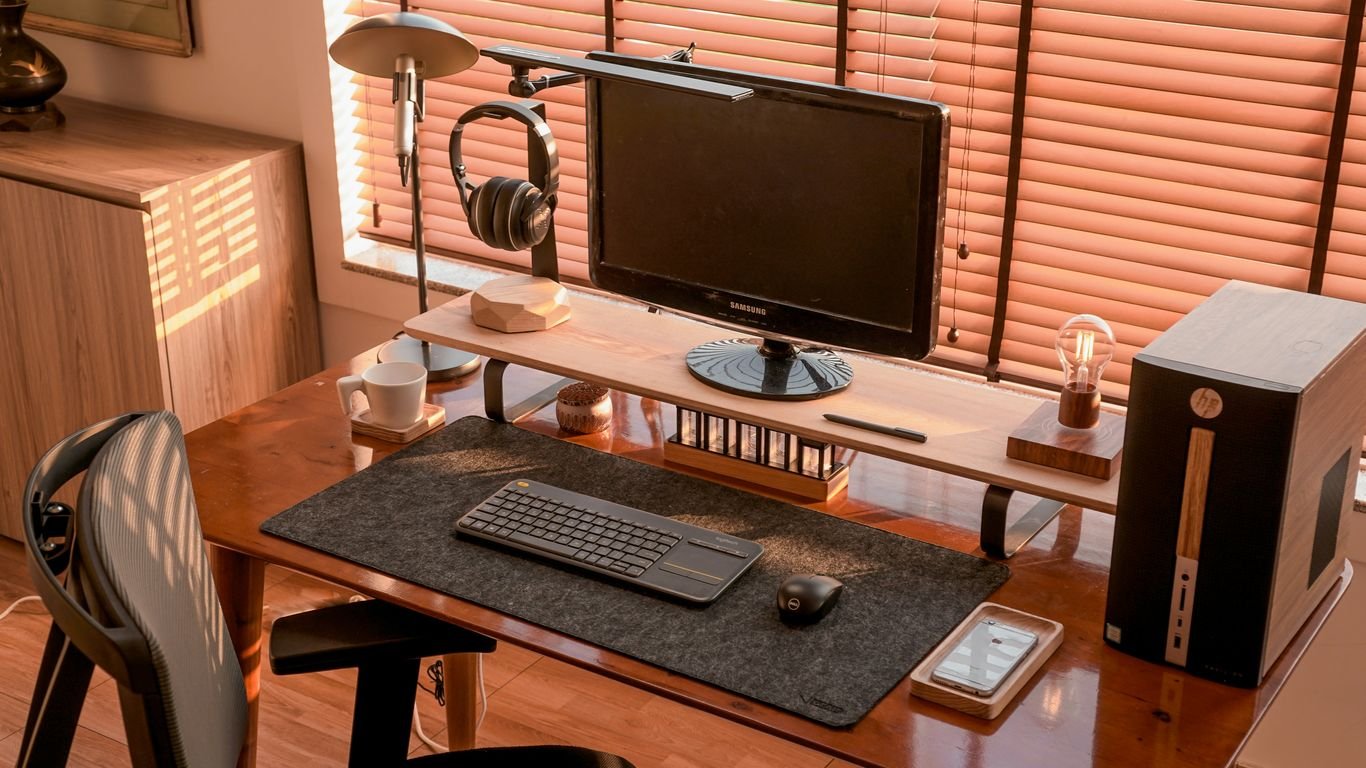
Ergonomic Workplace Adjustments
If you spend a good chunk of your day at a desk, your workspace setup can be a game-changer. It’s not just about having a comfy chair; it’s about arranging things so your body is in a neutral, supported position. This might mean investing in a few simple tools or just rearranging what you already have.
Consider these adjustments:
- Chair height: Adjust your chair so your feet are flat on the floor and your knees are at about a 90-degree angle. Your arms should rest comfortably on the armrests or desk.
- Keyboard and mouse placement: Keep them close enough so you don’t have to reach. Your elbows should be bent at around 90 degrees.
- Monitor position: As mentioned, eye level is key. If you use a laptop, consider an external monitor or a laptop stand with a separate keyboard.
Regular Exercise and Healthy Lifestyle
Staying active is super important for overall health, and that includes your neck. Stronger muscles in your neck, shoulders, and back can better support your spine and help prevent pain. Plus, regular movement helps keep your joints lubricated and reduces stiffness.
Think about incorporating:
- Stretching: Gentle neck stretches, shoulder rolls, and upper back stretches can help maintain flexibility.
- Strengthening exercises: Exercises that target your core, back, and shoulder muscles provide a stable base for your neck.
- Aerobic activity: Activities like walking, swimming, or cycling improve circulation and overall fitness, which can indirectly benefit your neck health.
It’s also worth mentioning that managing stress is key. When we’re stressed, we tend to tense up our neck and shoulders without even realizing it. Finding healthy ways to relax, like deep breathing, meditation, or hobbies you enjoy, can really help ease that tension.
Don't Let Neck Pain Win
So, we’ve talked about a bunch of reasons why your neck might be hurting, from sleeping funny to just the wear and tear of life. It’s easy to just try and push through it, but sometimes, that pain is your body telling you something needs attention. If your neck pain is really bad, won’t go away, or is messing with your arms and legs, it’s probably time to get it checked out. Ignoring it can just make things worse down the road. In Marietta, there are folks ready to help figure out what’s going on and get you feeling better. Don’t wait too long to seek help; your neck will thank you for it.
Frequently Asked Questions
What are the most common things that cause neck pain?
Lots of things can lead to neck pain. Sometimes it’s just from sitting or sleeping in a weird position, which strains your neck muscles. Other times, it could be from everyday wear and tear as you get older, like with arthritis. Accidents and injuries can also cause sudden neck pain.
When should I worry about my neck pain and see a doctor?
If your neck pain is really bad, especially if it started after an injury like a fall or car accident, you should get it checked out right away. Also, if the pain doesn’t get better after a few days, or if it starts to spread down your arms or legs, it’s time to see a doctor.
Can poor posture really cause neck pain?
Absolutely! When you spend a lot of time looking down at a computer or phone, or if you slouch a lot, it puts extra stress on your neck muscles and the bones in your neck. Over time, this can lead to stiffness and pain.
What happens during a doctor's visit for neck pain?
A doctor will usually start by asking you questions about your pain and doing a physical exam to see how your neck moves and if there’s tenderness. They might also suggest tests like X-rays or MRIs to get a better look at your bones, muscles, and nerves to figure out exactly what’s causing the problem.
Are there treatments for neck pain that don't involve surgery or lots of medicine?
Yes, there are! Many people find relief with treatments like chiropractic care, where they gently adjust your spine. Physical therapy is also very helpful for strengthening your neck muscles and improving how you move. Sometimes, simple things like heat, ice, and gentle exercises can make a big difference too.
How can I prevent neck pain from coming back?
Staying active with regular exercise is key. Paying attention to your posture, especially when you’re sitting at a desk or using your phone, can prevent a lot of strain. Making sure your workspace is set up comfortably and getting enough rest also helps keep your neck healthy.