

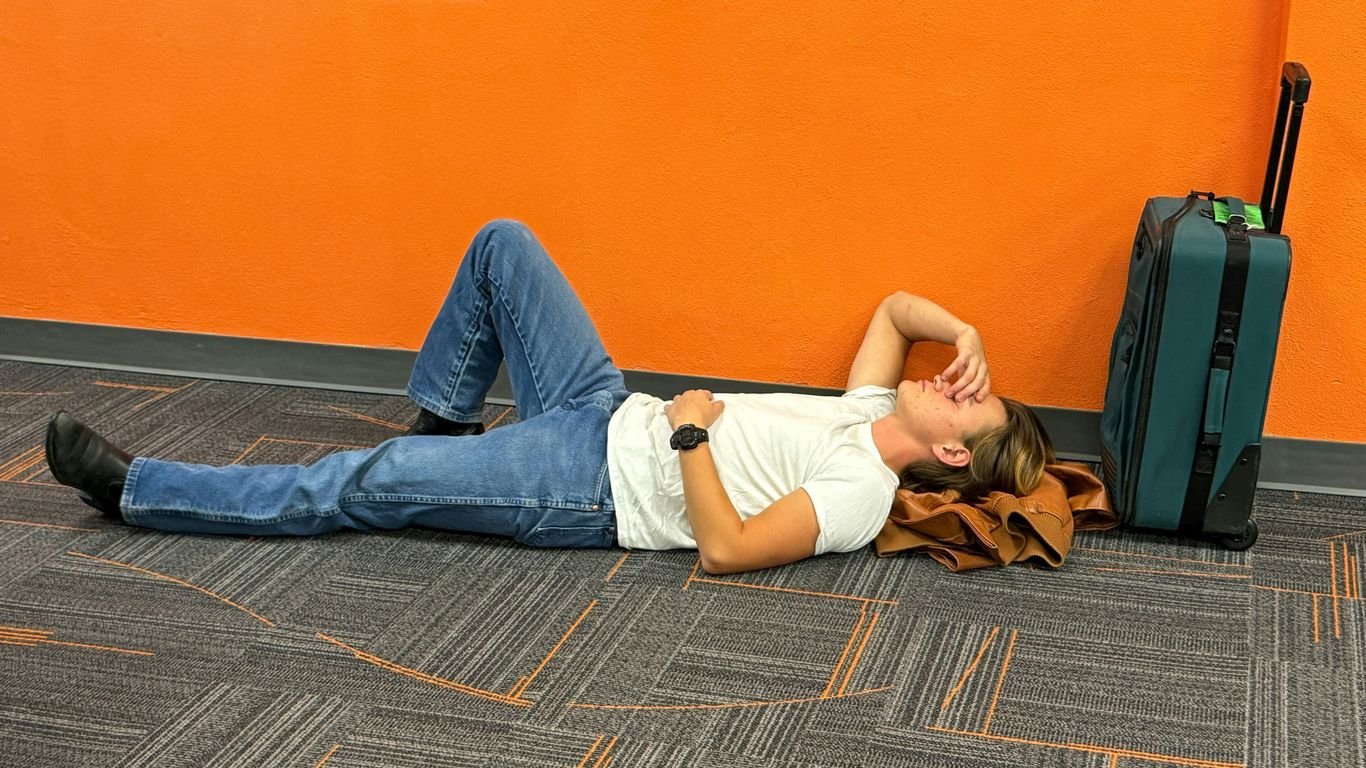


Coping with Crash Anxiety in Decatur After an Auto Injury

Getting into a car accident in Decatur can be a really rough experience, not just physically, but mentally too. It’s pretty common to feel anxious or even scared after something like that happens, especially when you have to get back behind the wheel. This stuff can really mess with your head, making everyday things feel like a big challenge. But, there are ways to work through it and get back to feeling like yourself again. Let’s talk about how to deal with that crash anxiety after dealing with auto accident injuries in Decatur.
Table of Contents
ToggleKey Takeaways
- Recognize that emotional distress after auto accident injuries in Decatur is a real thing, and it shows up in different ways like fear, anxiety, or even feeling numb.
- There are practical ways to manage that post-accident anxiety, like trying out relaxation methods and making sure you’re taking care of yourself with good food and exercise.
- Don’t be afraid to ask for help. Talking to a therapist or joining a support group can make a big difference in your recovery.
- Getting back to driving after an accident should be done slowly. Start with short trips and build up your confidence over time.
- Remember that legal matters related to your auto accident injuries in Decatur are also part of the process, and seeking compensation for emotional distress is possible.
Understanding Emotional Trauma After Auto Accident Injuries in Decatur
A car accident can shake you up in ways you might not expect, and it’s not just about the bumps and bruises. The whole experience, from the sudden jolt to the aftermath, can really mess with your head. It’s like your mind and body just didn’t know how to handle such a jarring event. You might feel a whole mix of things right after, and sometimes those feelings stick around longer than you’d think.
Recognizing the Signs of Emotional Distress
It’s easy to brush off how you’re feeling after an accident, especially if you don’t have any visible injuries. But emotional distress is real, and it shows up in different ways. You might find yourself jumpy, easily startled, or constantly on edge. Sleep can become a problem, with nightmares or just plain difficulty falling or staying asleep. Some people feel a sense of detachment, like they’re watching things happen from a distance. Others might experience a persistent sadness or a general lack of interest in things they used to enjoy. Paying attention to these changes in your mood and behavior is the first step to getting help.
The Lingering Impact of Auto Accidents on Mental Health
Even after the physical pain starts to fade, the mental toll of a car accident can stick around. This isn’t just about feeling a bit down; it can affect your daily life in significant ways. You might start avoiding places or situations that remind you of the crash, like busy intersections or even just getting into a car. This can lead to isolation and make it hard to get back to your normal routine. For some, it can develop into something more serious, like Post-Traumatic Stress Disorder (PTSD), which involves flashbacks, severe anxiety, and feeling constantly on guard.
Common Emotional and Psychological Responses to Collisions
When you’re in a car accident, a bunch of emotions can come flooding in. It’s pretty normal to feel shocked or disbelieving at first. Fear is a big one, and it can stick around, making you anxious about driving. You might also feel angry, maybe at yourself or the other driver, or even guilty if you think you could have done something differently. Some people just feel numb, like they can’t quite process what happened. These reactions are your mind’s way of dealing with a scary event.
- Shock and Disbelief: A feeling that the event didn’t really happen.
- Fear and Anxiety: Worry about driving, future accidents, or general safety.
- Guilt or Self-Blame: Questioning your actions before, during, or after the crash.
- Irritability: Feeling easily annoyed or angered.
- Sadness or Depression: A persistent low mood or loss of interest.
It’s important to remember that how you feel is valid. Your emotional response to a car accident is a natural reaction to a traumatic event. Don’t feel like you have to just ‘get over it’ on your own. Healing takes time and often requires support.
Strategies for Coping with Post-Accident Anxiety
It’s completely normal to feel anxious after a car accident, especially in Decatur. Your body and mind have just gone through something stressful, and it takes time to feel safe again. The good news is there are practical things you can do to help manage these feelings and start feeling more like yourself.
Implementing Relaxation Techniques for Calm
When anxiety hits, having a few go-to methods can make a big difference. These aren’t magic cures, but they can help dial down the intensity of those worried feelings. Think of them as tools to help you regain a sense of control.
- Deep Breathing: Find a quiet spot, close your eyes if you can, and just focus on your breath. Inhale slowly through your nose, let your belly fill with air, hold it for a moment, and then exhale slowly through your mouth. Try to make your exhale longer than your inhale. Repeat this for a few minutes. It sounds simple, but it really can slow down your heart rate and calm your nervous system.
- Progressive Muscle Relaxation: This involves tensing and then releasing different muscle groups in your body. Start with your toes, tense them up for a few seconds, and then let all the tension go. Move up your body, doing the same thing for your calves, thighs, stomach, arms, shoulders, and face. Noticing the difference between tension and relaxation can be very grounding.
- Mindfulness: This is about paying attention to what’s happening right now, without judging it. It could be as simple as noticing the feeling of your feet on the floor, the sounds around you, or the taste of your food. When your mind wanders to worries, gently bring it back to the present moment. It takes practice, but it helps quiet down those racing thoughts.
These techniques help you reconnect with your body and the present, offering a temporary escape from anxious thoughts and physical tension. They are skills you can use anywhere, anytime you feel overwhelmed.
The Role of Healthy Lifestyle Choices
What you do day-to-day really impacts how you feel emotionally. Making some simple, healthy choices can build up your resilience against anxiety.
- Nourishing Your Body: Try to eat regular meals with plenty of fruits, vegetables, and whole grains. When you’re feeling anxious, it’s easy to reach for comfort foods, but a balanced diet actually helps your brain function better and can stabilize your mood.
- Moving Your Body: You don’t need to run a marathon. Even a short walk outside can do wonders. Physical activity releases endorphins, which are natural mood boosters. Plus, getting some fresh air and sunshine can lift your spirits.
- Getting Enough Rest: Sleep is so important for emotional recovery. Aim for a consistent sleep schedule, and try to create a relaxing bedtime routine. If you’re having trouble sleeping, talk to your doctor.
Avoiding Unhealthy Coping Mechanisms
It’s tempting to numb the discomfort with things like alcohol, excessive eating, or zoning out with TV for hours. While these might offer a brief distraction, they often make anxiety worse in the long run and can create new problems.
- Limit Alcohol and Caffeine: Both can interfere with sleep and increase feelings of anxiety and jitters.
- Be Mindful of Overeating or Undereating: Stick to regular meal times and try to eat foods that make you feel good physically and mentally.
- Avoid Excessive Screen Time: While entertainment can be a distraction, spending too much time passively consuming content can sometimes make you feel more disconnected or anxious. Try to balance screen time with other activities.
Instead of these temporary fixes, focus on building habits that truly support your well-being. It’s a process, and some days will be harder than others, but these strategies can help you find your footing again after the accident.
Seeking Professional Support for Trauma Recovery
When to Consult a Mental Health Professional
It’s not uncommon to feel shaken up after a car accident, even if you don’t have any physical injuries. But sometimes, those feelings stick around, making everyday life feel tough. If you’re finding it hard to shake off the fear, if you’re having trouble sleeping, or if you’re constantly replaying the accident in your head, it might be time to talk to someone. Don’t wait until things feel completely overwhelming to reach out. Persistent feelings of hopelessness, an inability to go about your usual day, or severe anxiety that hits you out of nowhere are clear signs that professional help could make a big difference.
Benefits of Therapy and Counseling
Talking with a therapist or counselor can really help you process what happened and how it’s affecting you. They create a safe space where you can talk openly about your fears and worries without judgment. Therapies like Cognitive Behavioral Therapy (CBT) are known to be effective for dealing with anxiety and trauma. They can help you change negative thought patterns that might be holding you back. It’s not just about talking, though; it’s about learning practical tools to manage your stress and regain a sense of control.
Here are some ways therapy can help:
- Learning to manage anxiety and panic.
- Processing traumatic memories in a healthy way.
- Developing strategies to cope with fear and stress.
- Improving sleep and overall mood.
- Rebuilding confidence, especially when it comes to driving again.
Finding Qualified Professionals in Decatur
Finding the right person to talk to is important. You can start by asking your primary care doctor for a referral; they often have a good network of local professionals. Organizations like the National Alliance on Mental Illness (NAMI) can also provide resources and lists of qualified therapists in the Decatur area. Sometimes, local hospitals or community mental health centers have services available. Don’t be afraid to call a few places and ask questions about their experience with accident trauma before you make an appointment. It’s okay to find a good fit for you.
Dealing with the emotional fallout from an accident is a real part of recovery. It’s just as important as healing any physical wounds. Giving yourself permission to seek help is a sign of strength, not weakness. It’s about taking active steps to get back to feeling like yourself again.
Gradual Reintegration into Driving After an Accident

Getting back behind the wheel after a car accident can feel like a huge hurdle. It’s totally understandable to feel uneasy, or even scared, about driving again. Your brain and body went through a lot, and it takes time to feel safe on the road. The good news is, you don’t have to jump back into your old routine all at once. There are ways to ease back into it.
The Importance of Gradual Exposure
Think of it like dipping your toe in the water instead of diving headfirst. Gradual exposure means slowly and carefully reintroducing yourself to driving situations. This helps your nervous system adjust and learn that it’s okay to be in a car again. It’s about building trust with the act of driving, little by little. This approach can really help lessen the long-term effects of the trauma and make driving feel manageable once more. It’s a key part of healing from the invisible wounds of an accident.
Building Confidence on the Road
Confidence doesn’t just appear overnight. You build it up. Start small. Maybe your first step is just sitting in the driver’s seat of your parked car. Then, try turning it on. Next, a short drive around your block during a quiet time of day. The goal is to have positive experiences, even tiny ones, that show you that you can handle being on the road. As you feel more comfortable, you can try slightly longer trips or driving on roads that are a bit busier. It’s all about celebrating those small wins and letting them build on each other.
Here’s a simple way to think about increasing your driving time:
- Week 1: Short drives (5-10 minutes) on familiar, quiet streets. Maybe just as a passenger with someone you trust.
- Week 2: Slightly longer drives (15-20 minutes), perhaps on roads with minimal traffic.
- Week 3: Introduce some varied conditions, like driving at dusk or on slightly busier roads, but always with an exit strategy in mind.
- Ongoing: Continue to push your comfort zone just a little bit at a time, always listening to your body and your feelings.
Navigating Fear of Driving
It’s okay to be afraid. Acknowledging that fear is the first step. Don’t try to ignore it or pretend it’s not there. Instead, try to understand what specifically makes you anxious. Is it the speed? Other drivers? Certain intersections? Knowing the triggers can help you develop strategies to manage them. Deep breathing exercises can be a lifesaver when you feel that panic rising. If you find yourself constantly replaying the accident in your mind while driving, it might be time to talk to a professional. They can offer tools and techniques to help you process those thoughts and feelings. Remember, reclaiming your ability to drive is a process, and it’s perfectly fine to seek support along the way. You can find resources for coping strategies that might help ease your mind.
The Value of Support Systems After Auto Accident Injuries
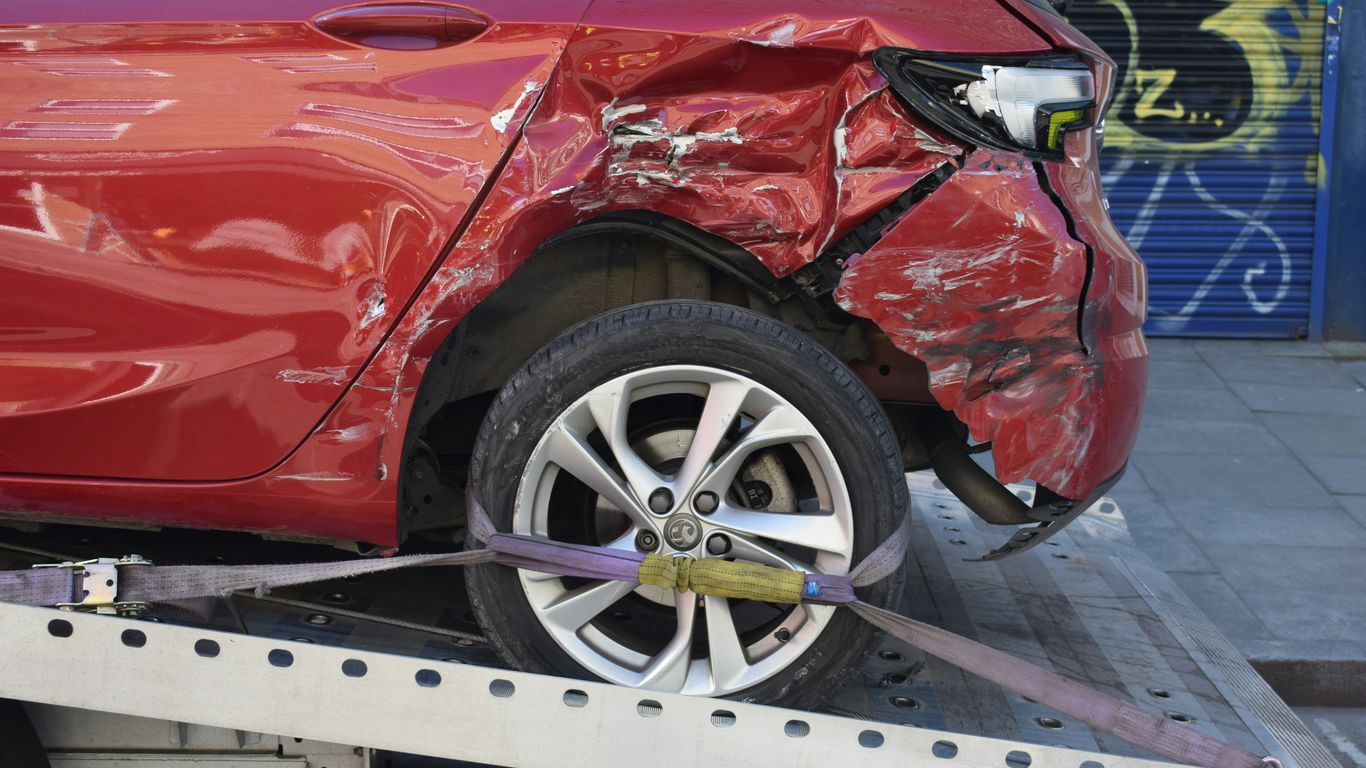
Going through an auto accident is tough, and honestly, you don’t have to go through it alone. Having people in your corner makes a huge difference when you’re dealing with the aftermath, especially the emotional stuff. It’s not just about having someone to vent to, though that’s important too. It’s about having a network that understands what you’re going through and can offer real help.
Connecting with Friends and Family
Your friends and family are often the first line of support. They know you, they care about you, and they can provide a sense of normalcy when everything else feels upside down. Sometimes, just having someone sit with you, listen without judgment, or help with daily tasks can be incredibly comforting. Don’t underestimate the power of a simple conversation or a shared meal. They can be there to remind you of who you are outside of the accident and encourage you to take small steps toward recovery.
- Active Listening: Let them know what you need. Sometimes it’s just an ear, other times it’s a distraction.
- Practical Help: Ask for help with errands, childcare, or household chores if you’re struggling.
- Emotional Reassurance: Friends and family can offer comfort and remind you that you’re not alone.
Sometimes, the most profound support comes from those who have always been there, offering a steady presence amidst the chaos.
The Benefits of Support Groups
While friends and family are great, sometimes talking to people who have gone through something similar is a different kind of helpful. Support groups, whether they’re in-person or online, bring together individuals who understand the unique challenges of recovering from an auto accident. You can share experiences, learn coping strategies from others, and realize you’re not the only one feeling a certain way. It’s a space where you can be completely open about your fears and anxieties without feeling like you have to explain yourself too much. Finding these groups might take a little effort, but the connection you can build is often very strong.
Supporting Loved Ones Through Trauma
If someone you care about has been in an accident, your support is incredibly important for their healing. It’s easy to want to fix things, but often, just being present and patient is the best approach. Avoid pushing them to
Legal Considerations for Auto Accident Injuries in Decatur
Understanding Compensation for Emotional Distress
It’s not just the bumps and bruises that count after a car accident in Decatur. The emotional toll, like anxiety or PTSD, is also a real injury, and the law recognizes that. You might be able to get compensation for things like therapy bills, time you couldn’t work because of the stress, and even for the general unhappiness the accident caused. Figuring out what you’re owed involves showing how the accident directly impacted your mental well-being. This often means gathering proof, which can include notes from your doctor or therapist.
The Role of Legal Experts in Your Recovery
Dealing with insurance companies and legal paperwork while you’re still recovering can feel like a whole other accident. That’s where a lawyer who knows car accident cases comes in handy. They can handle the back-and-forth with the insurance adjusters, gather the necessary evidence, and make sure your rights are protected. They can also help connect you with mental health professionals who can document your emotional injuries properly.
- Gathering evidence of your emotional distress.
- Communicating with insurance companies.
- Representing you in court if needed.
- Helping you understand your legal options.
Prioritizing Self-Care During Legal Proceedings
Going through legal stuff can add a lot of stress, which is the last thing you need when you’re trying to heal from an accident. It’s super important to remember to take care of yourself throughout this process. Your lawyer should understand this and try to make things as smooth as possible for you. Don’t be afraid to tell them if the legal process is making your anxiety worse.
Legal proceedings can be draining. Make sure you’re still making time for rest, relaxation, and anything else that helps you feel grounded. Your health, both physical and mental, should always come first, even when dealing with legal matters.
Moving Forward After the Accident
Dealing with the aftermath of a car accident in Decatur is tough, and it’s totally normal to feel anxious or shaken up. Remember, healing isn’t just about physical recovery; your mental and emotional well-being matters just as much. Don’t be afraid to lean on friends and family, and definitely consider talking to a professional if those anxious feelings stick around. There are folks here in Decatur who can help you work through this, whether it’s through therapy, support groups, or just having someone to listen. Taking small steps, like practicing relaxation or gradually getting back behind the wheel when you feel ready, can make a big difference. You’ve got this, and taking care of yourself is the most important part of getting back to normal.
Frequently Asked Questions
What are some common feelings people have after a car accident in Decatur?
After a car accident, it’s normal to feel a mix of things. Many people experience shock, fear, or anxiety, especially when thinking about driving again. Some might feel angry, sad, or even guilty. These feelings can pop up right away or show up later. It’s important to remember that these reactions are your mind and body’s way of dealing with something scary.
How can I deal with anxiety about driving after my accident?
Getting back behind the wheel can be tough. A good way to start is by taking small steps. You could begin by riding with a trusted friend or family member. Then, try driving on quiet streets for short periods. As you feel more comfortable, you can try slightly more challenging routes. Deep breathing exercises and other relaxation methods can also help calm your nerves before and during your drive.
When should I consider talking to a professional about my feelings after an accident?
If feelings of sadness, fear, or anxiety are really strong and don’t seem to go away, or if they make it hard to do your daily tasks, it’s a good idea to seek help. Also, if you’re having trouble sleeping, feel constantly on edge, or have thoughts of harming yourself, please reach out to a doctor or therapist right away. They are trained to help you through these tough times.
What kind of help can a therapist or counselor provide?
Therapists and counselors are like guides for your emotions. They can help you understand why you’re feeling anxious or scared and teach you ways to manage those feelings. They might use techniques like talking through your experiences, teaching you relaxation skills, or helping you change unhelpful thinking patterns. It’s a safe space to talk about what happened and how it’s affecting you.
Can talking to friends and family help with accident anxiety?
Absolutely! Leaning on your friends and family for support can make a big difference. Sharing your feelings with people you trust can make you feel less alone. They can offer comfort, listen without judgment, and encourage you. Sometimes just knowing you have people who care can help ease some of the worry.
What if I need to deal with legal stuff after my accident? How does that affect my recovery?
Dealing with insurance companies and legal matters after an accident can add extra stress. It’s important to remember that your emotional well-being matters just as much as your physical injuries. A lawyer who understands accident cases can help you navigate the legal side, so you can focus more on healing. They can also help you get compensation for emotional distress if your injuries have caused you significant hardship.