


Healing Faster After a Minor Car Crash in Atlanta
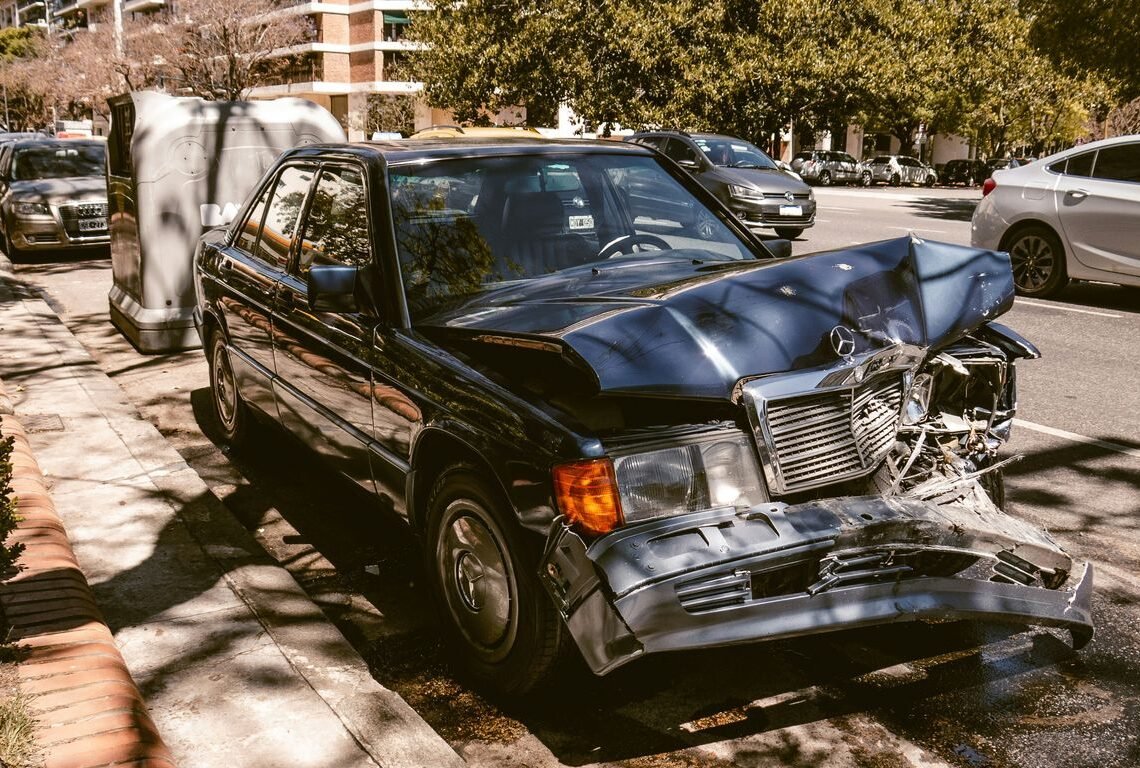
Getting into a car accident in Atlanta, even a minor one, can really throw a wrench in your day and, more importantly, your body. You might walk away thinking you’re fine, but sometimes the real issues, like Auto Accident Injuries in Atlanta, don’t show up right away. Things like neck pain, stiffness, or even headaches can start to creep in a day or two later. It’s easy to brush it off, but getting checked out early is super important for a faster recovery. This guide will walk you through what to look out for and how to get back on your feet.
Table of Contents
ToggleKey Takeaways
- Minor car accidents can lead to significant Auto Accident Injuries in Atlanta, often with delayed symptoms like neck pain and stiffness.
- Early intervention is key to preventing long-term complications and reducing pain after an accident.
- Chiropractic care, including spinal adjustments and nerve mobilization, can effectively treat common accident-related pain and joint issues.
- A personalized, multidisciplinary treatment plan involving physical therapy and pain management is crucial for faster recovery.
- Prioritizing rest, healthy eating, and gradual exercise, alongside professional medical advice, aids in a smoother healing process.
Understanding Common Auto Accident Injuries in Atlanta
Even a seemingly minor fender bender can do a number on your body. When your car suddenly stops, your body keeps moving, and that jolt can cause all sorts of issues. It’s easy to brush off aches and pains after a crash, thinking they’ll just disappear. But sometimes, these injuries need a little more attention to prevent them from becoming bigger problems down the road.
Whiplash and Neck Pain
This is probably the most talked-about injury after a car accident. Whiplash happens when your head and neck snap back and forth rapidly, like the cracking of a whip. It can strain the muscles and ligaments in your neck, leading to pain, stiffness, and sometimes headaches. You might not feel the full effects right away; sometimes, the pain creeps in hours or even a day later.
Back Injuries and Herniated Discs
Your spine takes a beating in an accident. The force can cause muscles to spasm, ligaments to stretch too far, or even lead to more serious issues like a herniated disc. This happens when the soft cushion between your vertebrae bulges or ruptures, potentially pressing on nerves. Symptoms can range from localized back pain to shooting pain, numbness, or tingling down your legs.
Concussions and Headaches
Even if you don’t hit your head directly, the sudden impact can cause your brain to move inside your skull. This can lead to a concussion, a mild traumatic brain injury. Symptoms might include headaches, dizziness, confusion, nausea, or sensitivity to light and sound. It’s important to get checked out, as even mild concussions need proper care.
Joint and Soft Tissue Pain
Beyond the neck and back, other parts of your body can suffer. Knees, shoulders, and hips can be affected by the impact, leading to pain and reduced mobility. Soft tissues like muscles, tendons, and ligaments can be bruised, strained, or torn. This can result in swelling, tenderness, and difficulty moving the affected area.
It’s really important to pay attention to your body after an accident. Don’t just assume that because the car damage looks minor, you’re okay. Sometimes the most significant damage isn’t visible from the outside. Getting a professional check-up is the best way to know for sure what’s going on.
Here are some common symptoms to watch out for:
- Neck stiffness or pain
- Headaches starting at the base of the skull
- Shoulder pain
- Lower back pain
- Dizziness or balance problems
- Numbness or tingling in arms or legs
The Importance of Early Intervention for Auto Accident Injuries
Even a fender bender that seems minor can cause damage you don’t feel right away. The force of a crash, even at low speeds, can jolt your body and affect your spine, muscles, and nerves. Sometimes, the pain or stiffness doesn’t show up for days or even weeks later. That’s why getting checked out quickly after an accident is a really good idea.
Preventing Long-Term Complications
When you delay getting help, inflammation can settle in and turn into scar tissue. This can make things stiff and limit how much you can move, making recovery take way longer. Your body might also start moving in weird ways to avoid pain, which can put extra strain on other parts of your body and lead to more problems down the road. Getting evaluated early helps catch these issues before they become big, long-lasting problems. It’s like fixing a small leak before it floods the house.
Reducing Mechanical Stress and Pain
Think of your body like a finely tuned machine. After an accident, some parts might be out of alignment or stressed. Early treatment, like chiropractic adjustments, can help put things back where they belong and ease that stress. This not only helps with the pain you’re feeling now but also helps your tissues heal properly. When joints move better and nerves aren’t pinched, your body can start to heal in an organized way, which is way better than letting it heal haphazardly.
Avoiding Compensatory Movement Patterns
When you’re hurting, you naturally try to protect the injured area. This often means you start moving differently without even realizing it. You might lean to one side, favor one leg, or hold your neck in a certain way. While this feels natural, it can throw your whole body out of balance. Over time, these new movement habits can cause pain in other areas, like your hips, shoulders, or even your other leg. An early assessment can identify these patterns and help you correct them before they become ingrained habits that are hard to break.
Chiropractic Care for Auto Accident Injuries in Atlanta
How Chiropractors Address Nerve and Joint Pain
After a car crash, you might feel pain that seems to come out of nowhere. This often happens because of how your body moved during the impact. Chiropractors are trained to figure out where this pain is coming from, especially if nerves or joints are involved. They’ll do some tests, like checking your reflexes and how strong your muscles are, to pinpoint the issue. The goal is to get things moving right again without needing strong medications.
Spinal Adjustments and Mobilization Techniques
When your spine isn’t aligned properly after an accident, it can cause a lot of problems. Chiropractors use hands-on techniques to gently move your joints back into their correct positions. This isn’t just about cracking your back; it’s about restoring normal movement and reducing pressure on nerves. Think of it like getting a door hinge oiled so it swings smoothly again.
Here’s a look at what might happen:
- Spinal Manipulation: This is the most well-known technique. The chiropractor applies controlled force to a specific joint to improve its movement and function.
- Mobilization: This involves slower, gentler movements to help increase the range of motion in a joint.
- Soft Tissue Therapy: Often, the muscles and ligaments around the injured area are also tight or damaged. Chiropractors might use massage or other methods to help these tissues heal.
Neural Mobilization and Decompression Therapy
Sometimes, nerves can get pinched or irritated after an accident. This can lead to pain, numbness, or tingling. Neural mobilization techniques are used to help nerves glide freely through the body, which can relieve pressure and reduce pain. Decompression therapy is another method that gently stretches the spine to create more space for nerves and discs. It’s like giving the nerves a little more room to breathe.
It’s important to remember that chiropractic care focuses on the body’s natural ability to heal. By addressing the root cause of pain and restoring proper function, chiropractors aim to help you recover more effectively and prevent future issues. Early treatment can make a big difference in how quickly and completely you get back to your normal life after an accident.
Comprehensive Treatment Plans for Faster Recovery
The Role of Physical Therapy
After a car accident, your body might feel out of sorts, and that’s where physical therapy really steps in. It’s not just about stretching; it’s about getting your muscles working right again and improving how you move. A physical therapist will look at how you move and figure out what needs fixing. They’ll guide you through exercises designed to build strength back up, increase your flexibility, and help you get your coordination back. Think of it as a guided way to undo some of the damage and get your body back to its old self, or even better. It helps prevent muscles from getting weak and joints from getting stiff, which can happen fast after an injury.
Pain Management Strategies
Dealing with pain after an accident can be tough, and there are different ways to handle it. Sometimes, doctors might suggest medication for a short time to help with the worst of it. But the goal is usually to find ways to manage pain without relying on drugs long-term. This could involve things like targeted injections to calm down inflamed areas or specific therapies that work on tight muscles. The idea is to address the pain at its source, not just cover it up. Finding the right mix of strategies helps you feel more comfortable so you can focus on healing.
Personalized Recovery Roadmaps
Here’s the thing: no two car accident injuries are exactly alike, and neither are the people who experience them. That’s why a one-size-fits-all approach just doesn’t cut it. A good treatment plan is built just for you. It takes into account your specific injuries, how old you are, what your daily life is like, and your medical history. This tailored plan acts like a roadmap, showing the best way for you to get better safely and as quickly as possible. It means you get exactly the care you need, when you need it, and it can change as you start to improve.
- Initial Assessment: Detailed exams and tests to pinpoint the exact issues.
- Adaptive Treatment: The plan adjusts based on how you’re feeling and any setbacks.
- Clear Next Steps: Regular updates so you always know what’s coming next.
- Home Support: Tips and exercises to help your recovery outside of appointments.
A personalized plan helps you heal faster and avoid lingering problems. When doctors, therapists, and chiropractors work together on your individual needs, nothing gets missed. This means fewer surprises and a better outcome down the road.
Self-Care and Lifestyle Adjustments After an Accident
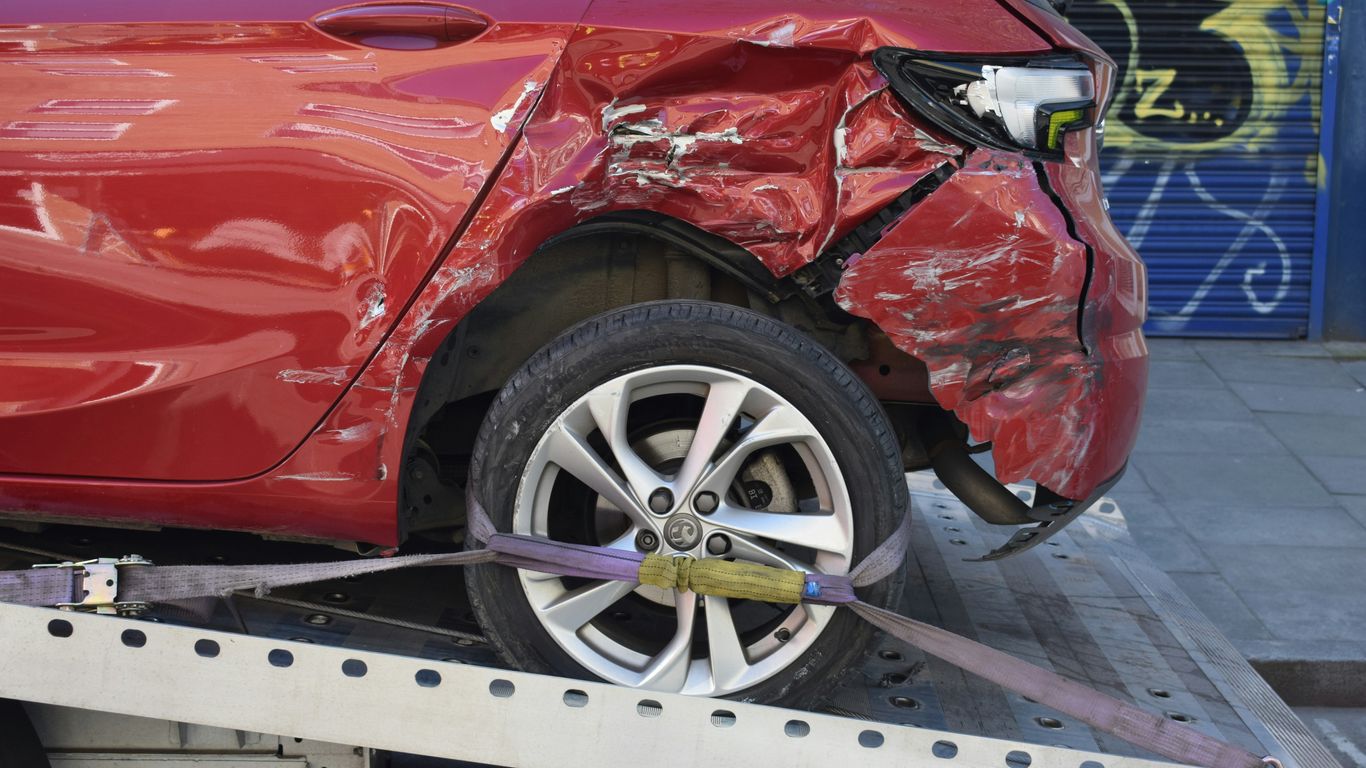
After a car crash, your body needs time and the right kind of attention to mend. Beyond the medical treatments, what you do in your daily life makes a big difference in how quickly and completely you recover. It’s not just about resting; it’s about actively supporting your body’s healing process.
Prioritizing Rest and Recovery
It might sound simple, but giving yourself permission to rest is one of the most important things you can do. Your body uses energy to repair itself, and pushing too hard too soon can actually slow things down or even cause more problems. Think of it like this: if you had a big project at work, you wouldn’t try to do it all in one go without breaks, right? Your body is the same way. Listen to what it’s telling you. If you feel tired, rest. If an activity makes your pain worse, stop.
- Schedule dedicated downtime each day. Even short periods of quiet rest can help.
- Avoid strenuous activities until your doctor or physical therapist says it’s okay.
- Get enough quality sleep. This is when a lot of healing happens.
Don’t underestimate the power of simply allowing your body the time it needs to recover. Rushing back into your normal routine before you’re ready can lead to setbacks and prolong your overall healing journey.
The Benefits of Healthy Eating
What you eat plays a surprisingly big role in how well your body heals. Think of food as the building blocks for repair. Getting the right nutrients can help reduce swelling and give your body what it needs to fix damaged tissues. It also helps keep your immune system strong, which is important when you’re recovering.
- Focus on whole foods: Fruits, vegetables, lean proteins, and whole grains provide essential vitamins and minerals.
- Stay hydrated: Drink plenty of water throughout the day. It helps with all bodily functions, including healing.
- Limit processed foods and sugar: These can sometimes increase inflammation, which isn’t helpful when you’re trying to heal.
Gradual Exercise and Mobility
Once your doctor gives you the green light, gentle movement can actually help you heal faster. It might seem counterintuitive, especially if you’re in pain, but carefully reintroducing activity can improve blood flow, keep muscles from getting too stiff, and help restore your range of motion. The key word here is gradual.
- Start with gentle stretches: Your physical therapist can show you specific exercises that are safe for your condition.
- Listen to your body: If something causes sharp pain, stop. There’s a difference between a stretch and pain.
- Consider low-impact activities: Once you’re feeling a bit better, activities like walking or gentle yoga can be beneficial.
It’s all about finding that balance between giving your body enough rest and gently encouraging it to regain its strength and flexibility. Working with your healthcare team will help you figure out the right pace for your recovery.
Choosing the Right Clinic for Auto Accident Injuries in Atlanta

What to Consider in a Clinic
After a car crash, finding the right place to get help is super important. You don’t want to just go anywhere; you need a clinic that really gets what you’re going through after an accident. Think about a place that has doctors and therapists who know a lot about car accident injuries specifically. They should be able to figure out what’s wrong, even if it’s not obvious right away. Look for a clinic that takes the time to really listen to you and explain everything they’re doing. It’s also good if they have a few different ways to help, not just one thing. This way, they can build a plan that’s just for you.
Here are some things to check:
- Experience with Auto Injuries: Do they regularly treat people hurt in car accidents?
- Diagnostic Tools: Can they take X-rays or other tests if needed?
- Communication: Do they explain your condition and treatment plan clearly?
- Location and Hours: Is it easy for you to get to appointments?
The Value of Multidisciplinary Care
Sometimes, your injuries might need more than just one type of treatment. That’s where a multidisciplinary clinic shines. It means they have different kinds of health pros all working together under one roof. You might have a chiropractor for your back and neck, a physical therapist to help you move better, and maybe even a doctor for other issues. When these folks talk to each other, they can create a much better plan for you. It cuts down on you having to run all over town to different places, and everyone’s on the same page about how you’re healing. This kind of teamwork can really speed things up.
When to Seek Urgent Medical Attention
Most of the time, you can schedule an appointment after a car accident. But sometimes, you need to get help right away. If you’re having serious trouble breathing, can’t stop bleeding, feel like you might pass out, or have a really bad headache that came on suddenly, don’t wait. Go to the emergency room or call 911 immediately. These are signs that something is seriously wrong and needs immediate medical attention. For less severe but still concerning issues, finding a dedicated car accident injury clinic is a good next step after ensuring immediate safety.
Getting Back on Your Feet After an Atlanta Crash
So, you’ve been in a fender bender here in Atlanta. It’s easy to think it’s no big deal, especially if you’re not in immediate pain. But sometimes, those aches and stiffness show up later. The best thing you can do is get checked out by a doctor or chiropractor, even if you feel okay. They know what to look for and can help you start feeling like yourself again, often pretty quickly. Don’t wait around hoping it gets better on its own. Taking that first step to get examined is the fastest way to get back to your normal routine without any lingering issues.
Frequently Asked Questions
What are the most common injuries after a car crash?
After a car accident, common issues include neck pain (like whiplash), back problems, headaches, and pain in joints or muscles. Sometimes, people get concussions too. These can show up right away or a few days later.
Why is it important to see a doctor or chiropractor right after an accident?
Seeing a doctor or chiropractor quickly helps find injuries that might not hurt yet. Getting treatment early can stop small problems from becoming bigger, long-term issues and helps you heal faster.
How can a chiropractor help with car accident injuries?
Chiropractors focus on your body’s alignment and how your nerves and joints are working. They use methods like spinal adjustments to ease pain, improve movement, and help your body heal naturally without strong medications.
What should I do to help myself heal faster after an accident?
Rest is really important, but so is gentle movement like physical therapy when your doctor says it’s okay. Eating healthy foods packed with nutrients also helps your body repair itself. Give yourself enough time to recover fully.
What is a multidisciplinary approach to recovery?
This means different types of healthcare providers, like doctors, chiropractors, and physical therapists, work together as a team. They share information and create a complete treatment plan just for you, which often leads to better and faster healing.
How long does it take to recover from a minor car accident injury?
Recovery times can vary a lot depending on the injury’s severity and your overall health. Some minor issues might feel better in a few days or weeks with the right care, but more serious injuries can take months. It’s best to follow your doctor’s advice and be patient with the process.