


Herniated Disc or Muscle Strain? What Savannah Patients Should Know
Dealing with back pain in Savannah can really throw a wrench in your day. You might be wondering if it’s just a pulled muscle from doing too much, or something more serious like a herniated disc. It’s a common question, and figuring out the difference is key to getting the right help. This article breaks down what you need to know about back pain in Savannah, helping you understand your options and get back to feeling like yourself.
Table of Contents
ToggleKey Takeaways
- Back pain in Savannah can stem from various issues, with muscle strains and herniated discs being common culprits.
- A herniated disc happens when the soft center of a spinal disc pushes out through a tear in the tougher exterior, potentially pressing on nerves.
- Muscle strains are injuries to the muscles or tendons, often caused by overstretching or overuse, and typically result in localized pain and stiffness.
- Doctors use medical history, physical exams, and imaging like MRIs to figure out the exact cause of your back pain.
- Treatment for back pain varies widely, from rest and physical therapy to minimally invasive procedures, with the goal of restoring your quality of life.
Understanding Back Pain in Savannah
Back pain is something a lot of us deal with at some point, and here in Savannah, it’s no different. Whether it’s a dull ache after a long day or a sharp pain that stops you in your tracks, it can really throw a wrench in your plans. It’s easy to just try and push through it, but sometimes, that pain is your body telling you something important needs attention.
Common Causes of Back Discomfort
Lots of things can lead to back discomfort. Sometimes it’s as simple as sleeping in an awkward position or lifting something too heavy without thinking. Other times, it might be related to how we sit at our desks all day or even just the natural aging process. Here are a few common culprits:
- Muscle or Ligament Strain: This is probably the most frequent reason for back pain. It often happens from overexertion, sudden movements, or lifting heavy objects improperly. Think of it like overstretching a rubber band – it can get sore and inflamed.
- Bulging or Herniated Discs: Our spine has these cushiony discs between the bones. Sometimes, they can bulge out or even rupture, pressing on nerves. This can cause pain that might shoot down your leg.
- Arthritis: Just like in your knees or hands, arthritis can affect the joints in your spine, leading to stiffness and pain.
- Poor Posture: Slouching over your phone or computer for hours can put a lot of strain on your back muscles and spine over time.
When to Seek Professional Help for Back Pain
While many backaches resolve on their own with a little rest and self-care, some signs mean you should probably get it checked out by a doctor. Don’t ignore persistent or severe pain, especially if it’s affecting your daily life.
Here are some red flags:
- Pain that doesn’t improve after a week or two of home care.
- Pain that is severe or gets worse over time.
- Pain that radiates down one or both legs, especially below the knee.
- Numbness, tingling, or weakness in your legs or feet.
- Loss of bladder or bowel control (this is a medical emergency).
- Back pain following an injury or accident.
If you’re experiencing any of these, it’s a good idea to get a proper diagnosis. Getting to the root of the problem is the first step toward finding relief and getting back to enjoying everything Savannah has to offer, from a walk in Forsyth Park to a night out on River Street. Understanding what’s causing your discomfort is key to effective spine care.
Herniated Disc Explained
When we talk about back pain, a herniated disc is one of those terms that comes up a lot. It sounds pretty serious, and it can be, but it’s also something many people experience. Think of the discs in your spine like little jelly donuts. They sit between your vertebrae, acting as cushions and shock absorbers. Over time, or sometimes due to an injury, the outer layer of that ‘donut’ can tear or weaken. When that happens, the soft, gel-like center can push out, or ‘herniate,’ into the space where your spinal nerves are. This is what we call a herniated disc, though you might also hear it called a ‘slipped disc’ or ‘ruptured disc.’ It’s not that the disc actually slips out of place, though; it’s more about the inner material escaping its normal boundary.
What Is a Herniated Disc?
A herniated disc happens when the tough outer wall of an intervertebral disc tears, allowing the soft, gel-like center (called the nucleus pulposus) to bulge or leak out. This can happen anywhere along the spine, but it’s most common in the lower back (lumbar spine) and the neck (cervical spine). The reason it causes pain is that this displaced material can press on nearby spinal nerves or even the spinal cord itself. This pressure is what leads to a variety of uncomfortable symptoms.
Symptoms of a Herniated Disc
The symptoms you feel from a herniated disc really depend on where it is and how much pressure it’s putting on your nerves. Sometimes, people don’t even know they have one until it causes a problem. But when symptoms do show up, they can include:
- Pain: This is the big one. It might be a sharp, shooting pain that travels down an arm or leg (often called sciatica if it’s in the leg). It can also feel like a dull ache in the back or neck.
- Numbness or Tingling: You might feel a pins-and-needles sensation or a loss of feeling in the area served by the affected nerve. This could be in your arms, hands, legs, or feet.
- Weakness: Muscles controlled by the compressed nerve might become weaker. This can make it hard to lift things, walk, or even grip objects.
- Changes in Reflexes: Sometimes, a doctor might notice changes in your reflexes during an examination.
It’s important to remember that not everyone with a herniated disc experiences all, or even any, of these symptoms. Degenerative changes in the spine are common as we age, and sometimes a disc can herniate without causing noticeable pain.
Herniated Disc vs. Bulging Disc
This is where things can get a little confusing because the terms are often used interchangeably, but there’s a key difference. A bulging disc is like the jelly donut getting a little squished. The outer wall is still intact, but the disc has expanded beyond its normal space. It’s more of a general deformity. A herniated disc, on the other hand, involves a tear in that outer wall, allowing the inner gel to actually push through.
Here’s a quick way to think about it:
- Bulging Disc: The disc wall is stretched or deformed, but the inner material is still contained within the wall.
- Herniated Disc: There’s a tear or rupture in the disc wall, and the inner material has escaped.
While both can cause pain by pressing on nerves, a herniated disc is generally considered more serious because the inner material has actually broken through its containment. Treatment approaches can vary depending on the severity and specific nature of the disc issue.
Muscle Strain and Back Pain
Back pain can be a real pain, and sometimes it’s not a dramatic disc issue but something simpler, like a muscle strain. Think of your back muscles as the scaffolding that holds everything up. When you overstretch or tear one of these, it’s a strain. It’s super common, actually. A lot of back discomfort comes from these soft tissue injuries, which include muscles, tendons, and ligaments. It’s estimated that about 80% of back and neck pain is actually muscle-related.
What Constitutes a Muscle Strain?
A muscle strain happens when you push a muscle or tendon too hard, leading to overstretching or even a tear. This can happen from a sudden awkward movement, lifting something too heavy, or even just repetitive motions. Your abdominal muscles, for instance, play a big role in bending and lifting, and they work with your buttock muscles to keep your spine stable. The muscles that wrap around your sides, the obliques, add even more support. Sometimes, it’s the ligaments that run along your spine that get strained, or the tendons connecting muscles can become inflamed, a condition called tendonitis. It’s interesting to think that some muscles in our body are naturally shorter than others, which might make them more prone to strain compared to, say, your thigh muscles which are longer and generally more resilient.
Recognizing Symptoms of Back Strain
So, how do you know if it’s a strain and not something more serious? Usually, you’ll feel pain right in the area that’s affected. You might also notice some swelling, and your muscles could feel tight or go into spasms. Movement can become pretty difficult, and you might just feel generally stiff. It’s not uncommon to feel a dull ache that can sometimes turn into a sharper pain if you try to move the wrong way. The key is often the location and type of pain – usually more localized and related to movement.
Treating Muscle Strains in the Back
Good news is, most muscle strains aren’t a big deal and can get better with some basic care. Often, rest is the first thing people think of, and it can help. Keeping your spine in a neutral position can reduce pressure. Applying ice to the sore spot can help with swelling and pain. Just remember to wrap the ice in a towel so you don’t get frostbite! Apply it for about 20 minutes, then take a break for 20 minutes. Over-the-counter pain relievers can also take the edge off. For more persistent strains, a chiropractor can be really helpful in getting your back pain under control.
When dealing with a suspected muscle strain, it’s important to listen to your body. Pushing through significant pain can often make things worse. Gentle movement is usually better than complete immobility, but avoid anything that causes sharp or increasing pain.
Diagnostic Approaches for Back Pain
Figuring out what’s causing your back pain can sometimes feel like a puzzle. It’s not always straightforward, and a lot of things can feel similar. That’s why doctors have a few ways to get to the bottom of it. They don’t just guess; they use a mix of talking with you, checking you out physically, and sometimes, using special tools to see what’s going on inside.
Medical History and Physical Examination
This is usually where things start. Your doctor will want to hear all about your pain – when it started, what makes it worse, what makes it better, and any other health issues you have. They’ll ask about your daily activities and any injuries you might have had. After talking, they’ll do a physical exam. This involves checking your range of motion, testing your muscle strength, and seeing where you feel pain when they press on different spots. This initial conversation and hands-on check often gives the doctor a good idea of what might be going on.
Imaging Techniques for Diagnosis
Sometimes, talking and a physical exam aren’t enough. That’s when imaging comes in handy. Think of these as special cameras that let doctors see inside your body.
- X-rays: These are often the first step. They’re good for looking at bones and the spaces between them. They can show things like fractures or arthritis, but they don’t show soft tissues like muscles or discs very well.
- MRI (Magnetic Resonance Imaging): This is a more detailed look. MRIs use magnets and radio waves to create clear pictures of soft tissues. This is super helpful for seeing things like herniated discs, pinched nerves, or muscle tears.
- CT Scan (Computed Tomography): Similar to an MRI, a CT scan gives detailed cross-sectional images. Sometimes, a dye is injected (called a CT myelogram) to make certain structures, like the spinal canal, stand out more clearly.
- Discography: This test specifically looks at your spinal discs. A dye is injected into a disc, and then X-rays or a CT scan are used to see if the disc’s structure is normal and, importantly, if the injection causes your usual pain. This can help pinpoint if a specific disc is the problem.
Pinpointing the Source of Your Pain
Getting the right diagnosis is key to getting the right treatment. It’s not just about identifying a problem, but understanding which problem is causing your specific pain. Sometimes, tests like nerve conduction studies (EMG) might be used to see how well your nerves are working. Injections, like nerve blocks, can also be diagnostic; if a specific injection relieves your pain, it strongly suggests that area is the source. It’s a process of elimination and confirmation, all aimed at figuring out exactly what needs to be addressed so you can start feeling better.
The goal of diagnostic testing is to move beyond just knowing you have back pain to understanding the precise reason for it. This allows for a targeted treatment plan, rather than a general approach that might not be as effective.
Treatment Options for Back Pain in Savannah
Dealing with back pain in Savannah can really throw a wrench in your day-to-day life. Fortunately, there are several ways to tackle it, whether it’s a simple muscle strain or something more complex like a herniated disc. The goal is always to get you back to feeling like yourself, moving freely and without that constant ache.
Non-Surgical Treatment Strategies
Many back pain issues can be managed effectively without surgery. These methods focus on reducing inflammation, easing pain, and strengthening the muscles that support your spine. It’s often the first line of defense and can provide significant relief for a lot of people. Think of it as giving your back the support and care it needs to heal naturally.
- Physical Therapy: Tailored exercises to improve flexibility, strength, and posture.
- Medications: Over-the-counter or prescription anti-inflammatories and pain relievers.
- Heat and Cold Therapy: Applying heat or ice packs to reduce swelling and muscle tension.
- Massage Therapy: Helps to relax tight muscles and improve blood flow.
- Injections: Corticosteroid or anesthetic injections can provide targeted pain relief for specific areas.
It’s important to remember that what works for one person might not be the best approach for another. A healthcare provider can help you figure out the most suitable non-surgical plan for your specific situation.
Minimally Invasive Surgical Procedures
When non-surgical treatments don’t quite cut it, or if the condition is more severe, minimally invasive surgery might be considered. This approach uses smaller incisions and advanced techniques to address the problem with less disruption to your body. The idea is to fix the issue while minimizing recovery time and discomfort. For conditions like a herniated disc, these procedures can be quite effective. You can find specialists in Savannah for back pain who are skilled in these advanced techniques.
Personalized Care Plans for Back Conditions
No two backs are exactly alike, and neither are the problems they face. That’s why creating a personalized care plan is so important. Your doctor will consider the exact cause of your pain, how severe it is, and your overall health to build a treatment strategy just for you. This plan might involve a mix of different therapies, and it can be adjusted as you start to feel better or if your needs change. The aim is to provide a clear path toward recovery and long-term spinal health.
Living an Active Life with Less Back Pain
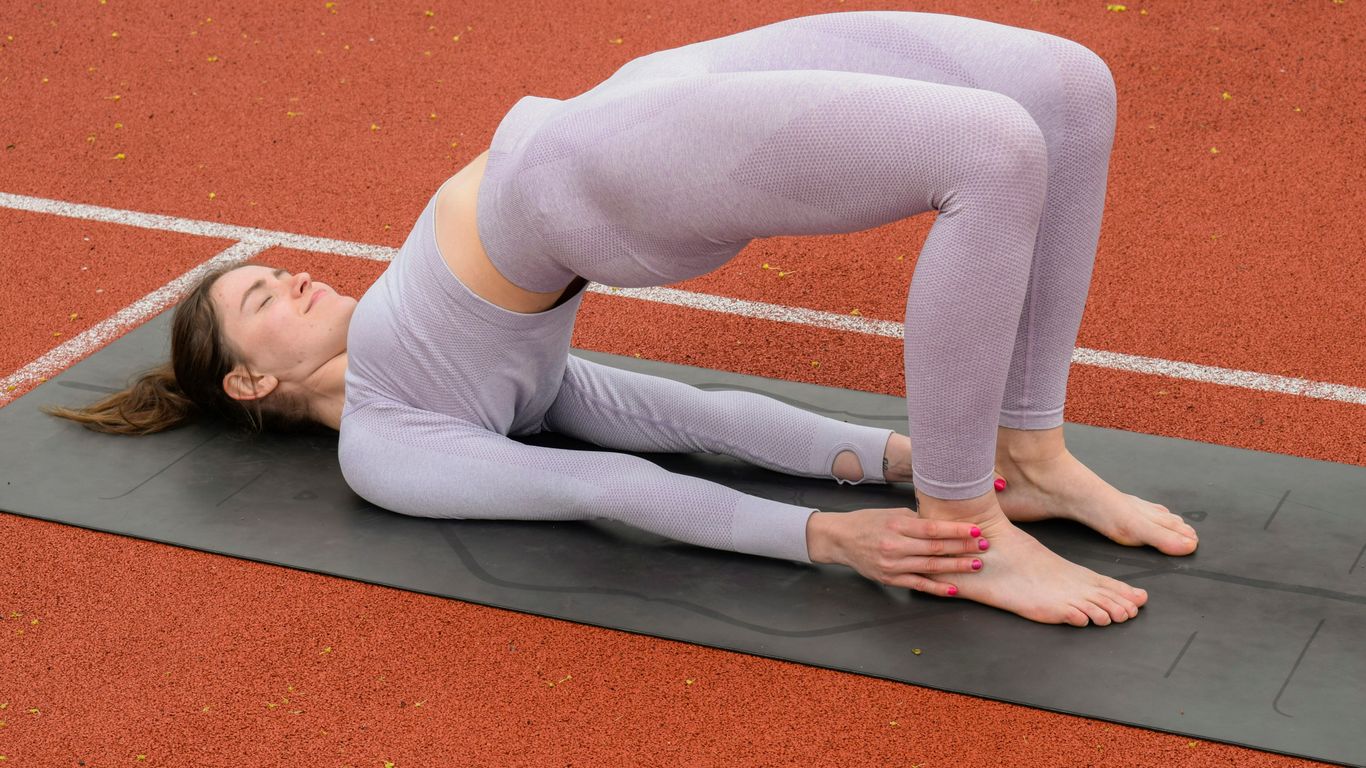
Dealing with back pain, whether it’s from a herniated disc or a muscle strain, can really put a damper on your daily activities. But the good news is, you don’t have to let it sideline you completely. Getting back to doing the things you love, or at least managing your pain so you can do them, is totally achievable. It’s all about finding the right approach and sticking with it.
The Role of Physical Therapy
Physical therapy is a big player when it comes to recovering from back issues and staying active. A good physical therapist can help you figure out exactly what’s going on with your back and create a plan just for you. They’ll guide you through exercises that strengthen the muscles supporting your spine, improve your flexibility, and help you move better without causing more pain. It’s not just about fixing the immediate problem; it’s about building resilience.
- Targeted Strengthening: Exercises designed to build up the core muscles that stabilize your spine.
- Flexibility and Mobility: Stretches and movements to improve your range of motion and reduce stiffness.
- Pain Management Techniques: Learning how to manage flare-ups and reduce discomfort through specific movements and modalities.
- Posture Correction: Identifying and correcting poor posture habits that can contribute to back pain.
Lifestyle Adjustments for Spinal Health
Beyond formal therapy, making some changes in your everyday life can make a world of difference. Think about how you sit, stand, and lift things. Small adjustments can prevent future injuries and reduce ongoing strain. It might seem like a lot at first, but incorporating these habits gradually can lead to significant improvements.
Taking care of your back isn’t a one-time fix; it’s an ongoing commitment to your well-being. Small, consistent efforts in your daily routine can prevent minor issues from becoming major problems.
Here are a few things to consider:
- Ergonomics: Set up your workspace so your computer screen is at eye level and your chair supports your back. When lifting, bend your knees and keep the object close to your body.
- Weight Management: Carrying extra weight, especially around the midsection, puts added stress on your spine. Losing even a small amount of weight can help.
- Regular Movement: Avoid sitting or standing in one position for too long. Get up and move around every 30 minutes or so.
- Proper Footwear: Supportive shoes can affect your posture and how your body absorbs shock.
Restoring Quality of Life
Ultimately, the goal is to get you back to enjoying life without being held back by back pain. This means finding treatments and strategies that work for your specific situation, whether it’s a herniated disc or a muscle strain. Working closely with your healthcare providers, like those at Savvy Pelvic Health, can help you develop a personalized plan. This plan might include a mix of physical therapy, lifestyle changes, and other treatments to help you move better, feel stronger, and reclaim your active lifestyle. It’s about getting you back to feeling like yourself again.
Putting It All Together
So, figuring out if your back pain is from a strained muscle or something more like a herniated disc can be tricky. They often feel similar, with pain, stiffness, and maybe some weird tingling. But remember, a muscle strain is usually about overstretched or torn soft tissues, often from overuse or a sudden move. A herniated disc, on the other hand, involves the cushioning discs between your spine bones. The key is not to guess. If the pain is bad, doesn’t get better with rest, or you have other concerning symptoms like numbness or weakness, it’s really best to get it checked out by a doctor. They have ways to figure out exactly what’s going on and get you on the right track for feeling better, whether that means some rest and ice, physical therapy, or other treatments. Don’t just live with the discomfort; find out what’s causing it so you can get back to enjoying Savannah without that nagging pain.
Frequently Asked Questions
What's the main difference between a herniated disc and a muscle strain?
Think of a herniated disc like a jelly donut where the filling has squeezed out and is pressing on things. It’s a problem with the cushion between your bones in your spine. A muscle strain is more like pulling a muscle in your arm or leg – it’s an overstretched or torn muscle or tendon in your back.
What are the common signs of a herniated disc?
You might feel pain, especially if it shoots down your leg (that’s often called sciatica). You could also have numbness, tingling, or muscle spasms. Sometimes, the pain is sharp and sudden, while other times it’s a dull ache.
How can I tell if my back pain is from a muscle strain?
Muscle strains usually cause pain right in the sore spot, along with swelling and maybe some stiffness. It often feels worse when you move that part of your back. You might also get muscle spasms, where your muscles tighten up unexpectedly.
Can a herniated disc happen without any pain?
Yes, surprisingly! Many people have herniated or bulging discs, especially as they get older, and don’t feel any pain at all. This is because the disc might not be pressing on any nerves.
What are the first steps to figuring out what's causing my back pain?
A doctor will usually start by asking about your health history and doing a physical exam to see where it hurts and how well you can move. They might also use X-rays to look at your bones or an MRI to get a better look at the soft parts like your discs and muscles.
What are some ways to treat back pain that aren't surgery?
Lots of options exist! These can include things like heat or cold packs, massage, exercises to make your back stronger, physical therapy, and medicines to reduce swelling. Sometimes, a doctor might give you a shot to help with the pain and inflammation.