




Ice and Rain Slip Risk: How Albany Residents Can Stay Safe
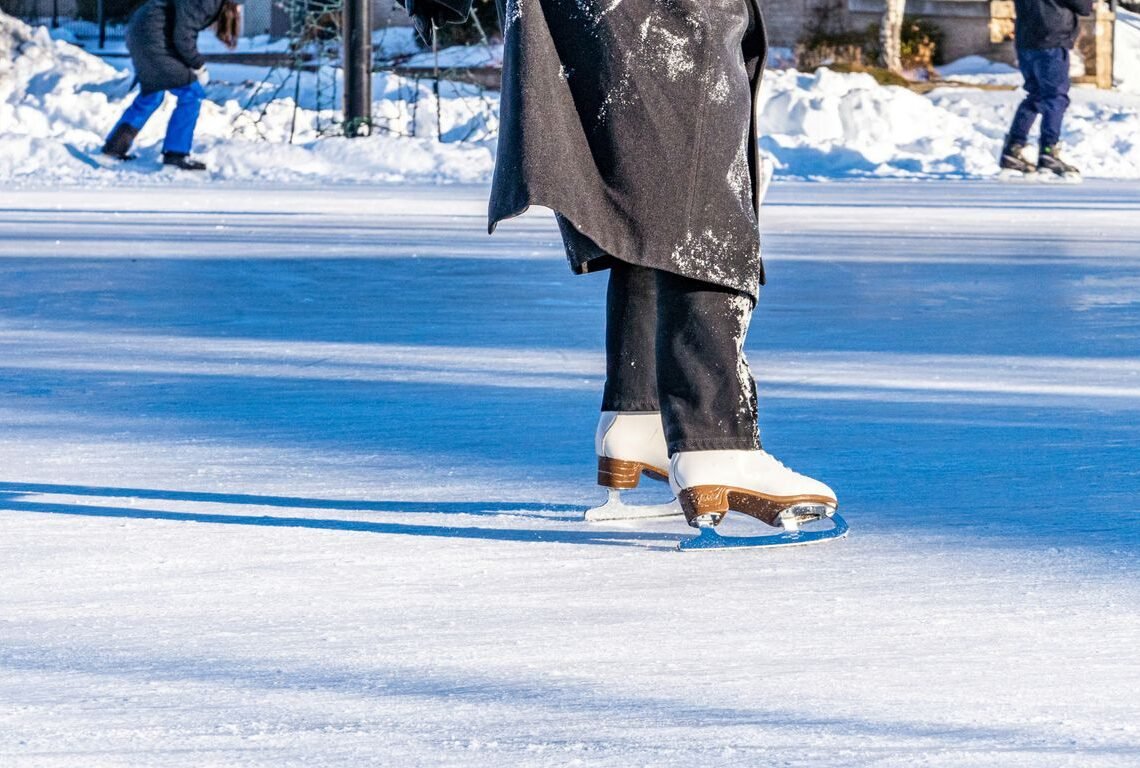
Albany winters can be rough, right? We’re talking snow, ice, and those nasty Nor’easters that seem to hit every year. It’s not just about shoveling your driveway. These storms can really mess with your house and, more importantly, they can lead to some serious Slip & Fall Injuries in Albany if you’re not careful. This guide is all about helping you get ready, stay safe, and avoid those painful tumbles on icy surfaces.
Table of Contents
ToggleKey Takeaways
- Albany faces real threats from winter weather like heavy snow and freezing rain, which can damage homes and create slippery conditions.
- Preparing your home involves securing outdoor items, checking your roof and siding, and making sure drainage systems work.
- Choosing the right ice melt product is important; salt-based options can harm pets and property, while eco-friendly choices like Safe Paw offer a better alternative.
- Safe driving during winter storms means preparing your vehicle, slowing down, and increasing following distance to prevent accidents.
- While DIY storm-proofing is helpful, know when to call professionals for tasks that are too high, risky, or complex to handle yourself.
Understanding Albany's Winter Weather Risks
Extreme Weather Threats in Albany
Albany knows winter. We get the full package: heavy snow, freezing rain that turns everything into a skating rink, and winds that can really howl. A typical Nor’easter can drop over a foot of snow overnight and bring wind gusts that feel like they could peel the roof off. This combo of heavy snow and strong winds puts a real strain on our homes, especially roofs, windows, and siding. Being ready for these kinds of conditions isn’t just a good idea; it’s how we keep our homes from taking a beating.
The Impact of Nor'easters on Local Homes
These big storms aren’t just a hassle; they can cause some serious damage if you’re not prepared. Think about it: clogged gutters can lead to ice dams, sending water right into your walls or basement. A loose shingle that you barely noticed before the storm can get ripped off, leaving your roof exposed. And those trees in your yard? A weak branch could snap under the weight of snow and end up on your roof or, worse, down a power line. Without some basic storm prep, small issues can quickly turn into expensive repair jobs. It’s all about preventing those little problems from becoming major headaches when the weather turns nasty.
Why Storm-Proofing is Essential for Albany Residents
So, why bother storm-proofing? For starters, it saves you money. Fixing storm damage after it happens is almost always more expensive than taking steps to prevent it beforehand. Plus, a home that’s ready for winter storms holds its value better. Nobody wants to see water stains on the ceiling or a fence knocked down by wind. More importantly, though, it’s about keeping your family safe and comfortable. When a Nor’easter hits, power outages are common, and temperatures can drop fast. Having a home that’s sealed up tight against drafts and water, with no immediate threats like falling branches, means you can ride out the storm without added worry. It’s peace of mind, really.
Preparing your home for winter storms isn’t just about the big, dramatic fixes. It’s also about the small things, like making sure your basement drains are clear of leaves or that your outdoor furniture is secured. These little tasks add up to a much safer and more resilient home when the weather gets rough.
Preparing Your Home for Ice and Snow
Albany winters can be rough, and getting your home ready before the snow and ice really start to pile up is a smart move. It’s not just about making things look nice; it’s about preventing damage and keeping your family safe when the weather gets nasty.
Securing Outdoor Items and Yard
First things first, take a good look around your yard. Anything that isn’t tied down or stored away could become a projectile in strong winds. Think about patio furniture, trash cans, grills, and even those decorative garden gnomes. Bringing these items inside or securing them properly can save you from a lot of hassle later. Also, don’t forget to retract any awnings and make sure fence gates are latched tight. It’s also a good idea to trim back any dead or overhanging tree branches that are close to your house or power lines. Nobody wants a tree limb crashing down on their roof or causing an outage.
Checking Roof and Siding Integrity
Your roof and siding are the first lines of defense against the elements. Before a big storm hits, it’s worth taking a peek at your roof. Look for any missing shingles, loose flashing, or signs that water might be getting in. Even small issues can become big problems when ice and snow add weight and moisture. While you’re at it, clear out your gutters and downspouts. Clogged gutters can cause water to back up, leading to ice dams or leaks. Make sure your downspouts are directing water well away from your home’s foundation – at least a few feet is ideal.
Testing Sump Pumps and Drainage Systems
If you have a basement, your sump pump is your best friend during heavy rain or snowmelt. Pour some water into the sump pit to make sure it kicks on and does its job. If you don’t have one, or if you’re worried about power outages, consider getting a battery backup. Also, check any exterior drains around your basement stairs or near your property line. Clearing them of leaves and debris will help water flow away from your house instead of pooling up.
Protecting Water Pipes from Freezing
Nobody likes dealing with frozen pipes. It’s a real pain and can cause significant damage. Before the really cold weather sets in, check any exposed pipes, especially those in unheated areas like basements, crawl spaces, or garages. You can wrap them with insulation or use a pipe heating cable. For pipes that are particularly vulnerable, opening a faucet slightly to allow a slow drip can help keep water moving and prevent freezing. It might seem like a small thing, but it can save you a huge headache.
Preventing Slip & Fall Injuries in Albany
Albany winters can be rough, and that icy glaze on the sidewalks isn’t just a pain to look at – it’s a real hazard. We’ve all seen it, maybe even experienced it: that moment of losing your footing and the scramble to regain balance. These aren’t just minor inconveniences; slip and fall accidents can lead to some pretty serious injuries, from sprains and fractures to more long-term issues. It’s about more than just being careful; it’s about knowing what makes these falls happen and how to stop them before they start.
Choosing Safe Ice Melt Products
When the ice starts building up, reaching for the ice melt is a common instinct. But not all ice melts are created equal, and some can actually cause more problems than they solve. You want something that works, but you also don’t want it eating away at your concrete, harming your pets, or making the problem worse down the line. Look for products that are specifically designed to be safer for surfaces and for the environment. Some options are potassium chloride or calcium magnesium acetate, which tend to be less corrosive than traditional salts.
Understanding the Drawbacks of Salt-Based Melts
Traditional rock salt, or sodium chloride, is cheap and readily available, which is why it’s so popular. However, it comes with a list of downsides. For starters, it can really damage concrete driveways and walkways, leading to cracks and crumbling over time. It’s also tough on your shoes and can be harmful to pets’ paws if they walk on it. Plus, when all that salt washes into storm drains, it can negatively impact local waterways. It’s effective at melting ice, sure, but the long-term costs to your property and the environment can add up.
Safe Paw: An Eco-Friendly Alternative
Looking for a better way to deal with icy patches? Products like ‘Safe Paw’ are gaining traction because they aim to be gentler on everything around them. These types of ice melts often use a different chemical compound that works at lower temperatures and is less likely to cause damage to concrete or harm your pets. They’re formulated to be safer for the environment, breaking down more easily and reducing the harsh chemical runoff. While they might cost a bit more upfront, the benefits for your property and local ecosystem can make them a worthwhile choice for keeping your walkways clear.
Keeping your walkways clear of ice is important, but so is the health of your property and the environment. Making informed choices about de-icing products can prevent damage and keep your family and pets safe during Albany’s winter months.
Safe Driving Practices During Winter Storms
Winter driving in Albany can be tricky, to say the least. When the snow starts falling or the ice coats the roads, things change fast. It’s not just about getting from point A to point B; it’s about doing it without incident. Paying attention to how you drive is just as important as having the right gear on your car.
Vehicle Preparedness for Snowy Roads
Before you even think about hitting the road when winter weather is on the way, give your car a once-over. It’s easy to forget, but a little prep goes a long way.
- Tires: Make sure you have tires that can handle snow and ice. All-season tires are okay for light stuff, but dedicated winter tires really make a difference when things get slick. Check the tread depth – you need good grip.
- Fluids: Top off your windshield washer fluid with a de-icing formula. Check your coolant to make sure it won’t freeze. And don’t forget to check your oil and brake fluid levels.
- Lights and Wipers: Make sure all your lights are working – headlights, taillights, brake lights. You need to see, and you need others to see you. Replace worn-out wiper blades; you’ll need them to clear snow and slush.
- Battery: Cold weather is tough on car batteries. If yours is old, get it tested. A dead battery in a snowstorm is a real headache.
Navigating Through Snow and Ice
Once your car is ready, it’s time to think about how you’re actually going to drive. The rules change when the road surface is compromised.
- Slow Down: This is the big one. Speed limits are for dry roads. When it’s snowy or icy, you need to go much slower. Give yourself plenty of time to react.
- Increase Following Distance: Leave way more space between your car and the one in front of you. If they have to brake suddenly, you’ll need that extra room to stop safely. Think double or triple your normal distance.
- Gentle Inputs: Avoid sudden movements. Accelerate slowly, brake gently, and steer smoothly. Jerky motions can easily cause your tires to lose grip and start to slide.
- Know Your Route: Stick to main roads if you can. They’re usually plowed and treated more often than smaller streets. If you have to drive on hills, try to avoid stopping on them if possible.
Safe Driving Techniques to Avoid Skidding
Skidding is what happens when your tires lose traction. It’s scary, but knowing what to do can help you regain control.
- If You Start to Skid: Don’t panic. Take your foot off the gas and the brake. Look and steer in the direction you want the front of your car to go. If the rear of your car is sliding left, steer left. If it’s sliding right, steer right. As the car straightens out, gently bring the steering wheel back to center.
- Braking: If you have anti-lock brakes (ABS), press the brake pedal firmly and hold it. Don’t pump the brakes. You might feel a pulsing sensation, which is normal. If you don’t have ABS, apply gentle, steady pressure to the brakes. If you feel the wheels locking up, ease off slightly.
- Getting Unstuck: If you get stuck in snow, try rocking the car back and forth. Shift between drive and reverse gently. Turn your steering wheel side to side to help clear snow from the tires. If that doesn’t work, you might need to shovel some snow away from the tires.
Winter driving requires a different mindset. It’s about being patient, being aware of your surroundings, and making sure your vehicle is up to the task. A little bit of preparation and a lot of caution can make all the difference between a smooth trip and a roadside emergency.
DIY Storm-Proofing and Safety Measures
Taking steps to get your home ready for winter weather yourself can save you some cash and give you peace of mind. It’s about tackling those tasks that don’t necessarily need a pro, but still make a big difference when the wind howls and the snow piles up.
DIY Storm-Proofing Steps for Homeowners
There are quite a few things you can do around the house before a storm hits. Think of it as giving your home a good check-up and a little tune-up.
- Secure outdoor items: Anything that isn’t tied down could become a projectile. Bring in patio furniture, trash cans, and decorations. Make sure gates are latched and awnings are pulled in.
- Check your roof and siding: While you might not be climbing up there yourself, a quick visual inspection from the ground can reveal missing shingles or loose siding. Also, clear any debris from gutters and downspouts to help water flow away from your foundation.
- Seal up drafts: Go around your doors and windows. Add weatherstripping where needed and use caulk to fill any small gaps. This stops cold air from sneaking in and saves on heating costs.
- Test your sump pump: If you have a basement, make sure your sump pump is working. Pour some water into the pit to see if it kicks on. A battery backup is a smart idea if you don’t have one.
- Prepare for power outages: Have flashlights, extra batteries, and a battery-powered radio handy. Make sure your cell phones and any portable chargers are fully juiced up.
Don’t wait until the storm is on the way to start these tasks. Getting them done early in the season, like in the fall, means you won’t be rushing when the weather turns bad. Plus, hardware stores are usually less crowded then.
Double-Checking Safety Devices
It’s not just about the house itself, but also about the things that keep you safe and comfortable.
- Smoke and Carbon Monoxide Detectors: Test all your smoke and carbon monoxide detectors. Replace batteries if needed. These are non-negotiable safety items, especially when you might be using alternative heating sources or if the power goes out.
- Fire Extinguishers: Check the pressure gauge on your fire extinguishers. Make sure they are easily accessible and that everyone in the household knows where they are and how to use them.
- Emergency Lighting: Ensure flashlights have fresh batteries and that any battery-powered lanterns are in good working order. Having a few candles and matches is also a good backup, but use them with extreme caution.
Avoiding Temporary Fixes as Permanent Solutions
Sometimes, you just need a quick patch to get through a minor issue. That’s fine for a little while, but don’t let those temporary fixes become your permanent plan.
- Duct Tape is Not Forever: That ripped tarp on the shed or the duct tape holding a window seal might work for a day, but it won’t stand up to a real winter storm. Wind and moisture will find a way in.
- Follow Up on Repairs: If you do a quick patch, make a note to get it properly fixed as soon as you can. This might mean calling a professional for bigger jobs.
- Assess the Real Problem: Temporary fixes often hide the underlying issue. Take the time to figure out why something failed in the first place so you can address it correctly.
The goal is to make your home more resilient, not just to put a band-aid on a problem. While DIY is great for many things, knowing when a job is too big or too risky is also part of being prepared.
When to Seek Professional Assistance
Sometimes, no matter how much you want to tackle a storm-proofing task yourself, it’s just not the best idea. There are definitely times when calling in a pro is the smarter, safer, and ultimately more cost-effective choice. It’s not about admitting defeat; it’s about recognizing your limits and protecting your home and family.
Identifying When to Call a Handyman
So, when should you put down the toolbox and pick up the phone? Here are a few signs that it’s time to bring in an expert:
- High or Dangerous Tasks: If a job involves climbing onto a steep or slippery roof, working on a second-story ladder, or anything that feels precarious, it’s best to let a professional handle it. Tasks like replacing roof shingles, cleaning out high gutters, or installing heavy storm shutters can be really risky if you don’t have the right gear and experience. A skilled handyman has the proper safety equipment and knows how to use it.
- Complex Installations or Repairs: Some storm-proofing jobs require specific knowledge or tools. Think about installing a backup system for your sump pump, setting up a generator transfer switch, or fixing significant cracks in your foundation. These aren’t simple fixes. If you’re looking at upgrading to impact-resistant windows or a reinforced garage door, a professional will make sure they’re installed correctly and meet building codes.
- Persistent Problems: You’ve caulked that leaky window three times, and it still drips when the rain is heavy. Your basement still gets damp, even after you’ve tried sealing the walls. When DIY fixes don’t solve a recurring issue, it’s a clear sign that there’s an underlying problem a professional can diagnose and fix properly.
- Time Constraints and Large Projects: Let’s be honest, sometimes life gets busy. If the storm season is approaching fast and your list of storm-proofing tasks is a mile long – cleaning gutters, boarding windows, trimming trees, checking the generator – you might not have the time to do it all yourself. A handyman or a team can often get a lot done in a short period.
Hiring a professional isn’t just about getting the job done; it’s about getting it done right and with peace of mind. They have the experience to spot potential issues you might miss and the skills to implement lasting solutions.
Risks of Climbing Without Precautions
Climbing ladders or accessing roofs without proper training and equipment is incredibly dangerous. Falls from even moderate heights can lead to serious injuries, including broken bones, head trauma, and even paralysis. Professionals use safety harnesses, secure ladder placements, and have a trained eye for potential hazards on roofs and elevated areas. The cost of medical bills and rehabilitation from a fall far outweighs the expense of hiring someone to do the job safely.
Safe Generator Use and Carbon Monoxide Prevention
Generators are lifesavers during power outages, but they come with risks if not used correctly. Carbon monoxide (CO) is a silent, odorless killer, and generators produce it.
- Placement is Key: Always operate generators outdoors, far away from windows, doors, and vents. Never run a generator inside a home, garage, or basement, even with the door open.
- Proper Ventilation: Ensure the area around the generator is well-ventilated. Avoid placing it in enclosed spaces where exhaust can build up.
- CO Detectors: Install battery-operated carbon monoxide detectors on every level of your home, especially near sleeping areas. Test them regularly and replace batteries as needed.
- Professional Installation: If you’re installing a transfer switch or having a whole-house generator system set up, hire a qualified electrician. They can ensure the system is wired correctly and safely.
Stay Safe Out There, Albany!
So, we’ve talked a lot about getting your home ready for the rough weather Albany throws at us. It’s not just about keeping the house in good shape, though that’s a big part of it. It’s also about making sure you and your family can get around safely when things get slick. Remember to keep an eye on the weather, take it easy when you’re driving, and maybe keep some of those pet-safe ice melt products handy for your walkways. A little bit of planning goes a long way, and honestly, nobody wants to end up on the ground when they’re just trying to get the mail. Stay aware, stay prepared, and have a good, safe winter.
Frequently Asked Questions
What are the main weather dangers Albany residents face in winter?
Albany winters can bring tough weather like heavy snow, freezing rain, and strong winds. These can lead to problems like roofs getting damaged by heavy snow, windows getting hit by wind, and siding getting torn off. It’s important to get ready before these storms hit.
What should I do to prepare my home for winter storms?
You should bring in or tie down anything outside that could blow away, like patio furniture or trash cans. Also, check your roof and outside walls for any damage, like loose shingles or siding. Make sure your drains and sump pump are clear so water can flow away from your house. It’s also a good idea to protect your water pipes from freezing by insulating them.
What are the downsides of using salt to melt ice?
Salt can cause problems. It can damage cars and roads over time. It’s also not great for the environment, as it can get into water and harm plants and animals. Plus, salt can hurt your pets’ paws and make them sick if they lick it.
What's a safer alternative to salt for melting ice?
Products like Safe Paw are a good choice. They are made without salt and are safe for people, pets, and the environment. They work well even in very cold temperatures and won’t damage your car or walkways.
How can I make sure my car is ready for winter driving?
Make sure your car has good tires, especially winter tires, for better grip. Check that your brakes, battery, and lights are working well. It’s also smart to keep an emergency kit in your car with things like a shovel, blankets, water, and snacks, just in case you get stuck.
When should I call a professional for help with storm preparation?
If you notice big problems with your roof or siding, or if tasks involve climbing high ladders or working in risky conditions, it’s best to call a professional. Also, if you’re unsure about safely using things like generators, a handyman can help ensure everything is done correctly and safely.